At a Glance
- There isn’t one contact lens that’s best for everyone.
- The right lens depends on your prescription, eye health, lifestyle, and comfort.
- Daily, two-week, monthly, toric, and multifocal lenses each have different advantages.
- People with dry eyes, allergies, or sensitive eyes may benefit from specific lens materials or replacement schedules.
- A contact lens fitting helps ensure the lenses fit properly and provide healthy, comfortable vision.
- If contact lenses become uncomfortable, schedule an eye exam rather than switching products on your own.
This Guide is for:
- First-time contact lens wearers
- People with dry eyes
- People with astigmatism
- Multifocal wearers
- Athletes
- Anyone considering switching brands
Looking for an overnight option for a child? Read our Ortho-K for kids guide to learn how it fits into myopia management and family routines.
How to Choose the Right Contact Lenses
There isn’t a single contact lens that’s right for everyone. The best option depends on your eyes, your prescription, and how you plan to wear your lenses.
Before recommending a specific lens, your optometrist will learn more about your vision, eye health, and lifestyle. Small details, such as whether you have dry eyes, spend long hours at a computer, play sports, or only wear contacts occasionally, can all influence which lenses are likely to provide the best comfort and vision.
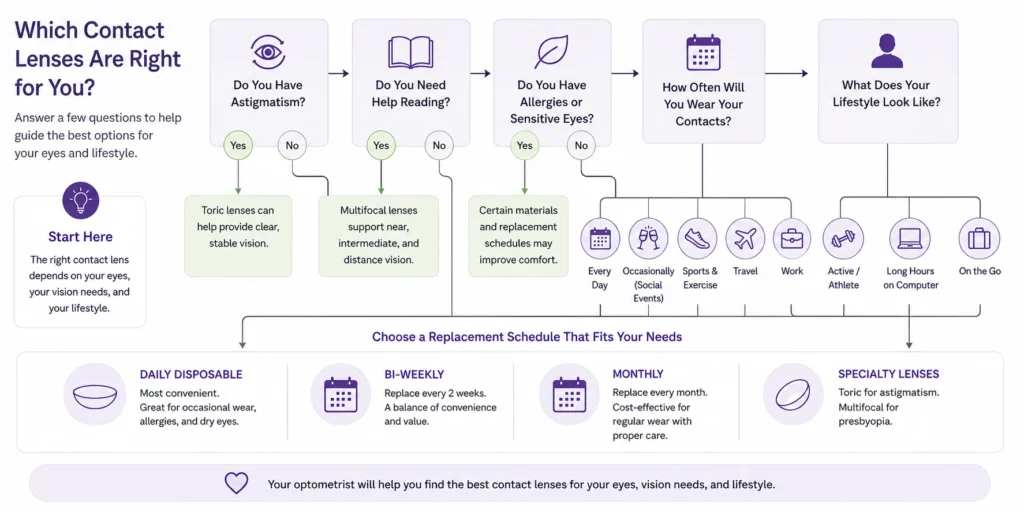
Some of the questions we’ll consider include:
- Do you have dry eyes or allergies?
- Do you have astigmatism?
- Do you need help with reading as well as distance vision?
- How often will you wear your contact lenses?
- What does your work, hobbies, and daily routine look like?
- What balance of comfort, convenience, and budget is most important to you?
Let’s walk through each of these questions to help you understand how they influence the type of contact lenses your optometrist may recommend.
Do You Have Dry Eyes?
If you have dry eyes, you’re not alone. Dry eyes are one of the most common reasons people experience discomfort with contact lenses. The good news is that having dry eyes doesn’t necessarily mean you can’t wear contacts.
Your symptoms, tear quality, and the underlying cause of your dry eyes all influence which contact lenses may be the most comfortable. For many people, daily disposable lenses can improve comfort because each day starts with a fresh, clean lens. In other cases, treating the underlying dry eye condition first may provide a better long-term result before changing contact lenses.
Do You Have Astigmatism?
If you have astigmatism, you’ll likely need toric contact lenses. Unlike standard spherical lenses, toric lenses are designed to remain stable on the eye, helping provide clear, consistent vision throughout the day.
Do You Need Help Reading?
If you’ve noticed yourself holding your phone farther away or needing reading glasses, multifocal contact lenses may help. These lenses are designed to support distance, intermediate, and near vision in a single lens, making them a popular option for people with presbyopia.
Do You Have Allergies or Sensitive Eyes?
Seasonal allergies and sensitive eyes can make contact lenses less comfortable. Certain lens materials, replacement schedules, and proper lens care may help improve comfort. Your optometrist can recommend options based on your symptoms and eye health.
How Often Will You Wear Your Contact Lenses?
Think about when you’ll be wearing your contacts.
- Every day
- Occasionally for social events
- Sports and exercise
- Travel
- Work
Someone who wears contacts every day may benefit from a different replacement schedule than someone who only wears them on weekends.
What Does Your Lifestyle Look Like?
Your daily routine also influences which contact lenses may work best.
You might prioritize convenience if you’re always on the go, durability if you wear contacts every day, or all-day comfort if you spend long hours in front of a computer. Athletes often appreciate the wider field of vision and freedom from glasses that contact lenses provide.
Does Your Job Require Excellent Vision?
Since contacts sit on your eye, it gives you a wider field of view. This provides less peripheral distortion compared to glasses; however, not all lenses are created equal. If it’s important to have sharp vision for life or your job, consider a contact lens fit with a licensed professional to make sure the correct power and base curve is being used for your lenses.
Are Your Eyes Sensitive?
Your eye doctor will measure the curvature of your eye and assess your tear film, eye health, and comfort needs. More people than you might expect have dry or sensitive eyes, and lenses can be difficult to wear for long periods if your eyes are dry or sensitive to things touching the eye. If you are new to contact lenses, glasses may still be the more comfortable and convenient option for some activities.
Types of Contact Lenses
Once you’ve narrowed down your vision needs and lifestyle, the next step is choosing the type of contact lens. Each option has its own advantages, and your optometrist will recommend one based on your prescription, eye health, comfort, and how often you plan to wear your lenses.
Daily Disposable Contact Lenses
Daily disposable lenses are replaced every day, making them one of the most convenient options. Many people with dry eyes, allergies, or occasional contact lens use find daily lenses comfortable because each pair starts fresh without the need for cleaning solutions.
May be a good choice if you:
- Have dry or sensitive eyes
- Wear contacts occasionally
- Prefer minimal maintenance
- Have seasonal allergies
Two-Week Contact Lenses
two-week lenses are replaced every two weeks and require daily cleaning and proper storage. They offer a balance between convenience and cost for many wearers.
May be a good choice if you:
- Wear contacts regularly
- Don’t mind cleaning and storing lenses
- Want a reusable option
Monthly Contact Lenses
Monthly lenses are designed for daily wear and are replaced every month. They require proper cleaning and storage but can be an economical option for regular contact lens wearers.
May be a good choice if you:
- Wear contacts most days
- Are comfortable following a cleaning routine
- Want to reduce ongoing replacement costs
Toric Contact Lenses
Toric lenses are designed for people with astigmatism. They contain features that help the lens remain in the correct position on the eye to provide stable, clear vision.
Multifocal Contact Lenses
Multifocal lenses help correct both distance and near vision, making them a common option for people experiencing age-related changes in focusing ability (presbyopia).
Not Sure Which Type Is Right for You?
A contact lens fitting includes measurements of your eyes, an assessment of your tear film and eye health, and trial lenses when appropriate. Finding the right contact lens isn’t about choosing the most popular brand. It’s about selecting the lens that fits your eyes comfortably while providing healthy, clear vision.
Now that you’ve gotten a better idea on how you need your contacts to work for your eyes, check out our top optometrist picks below:
Contact Lenses Our Optometrists Commonly Recommend
After determining the type of contact lens that’s right for your eyes, the next step is selecting a specific lens. There are many excellent options available, and no single brand is the right choice for everyone.
The contact lenses below are examples of products our optometrists commonly prescribe based on a patient’s prescription, lifestyle, and comfort needs.
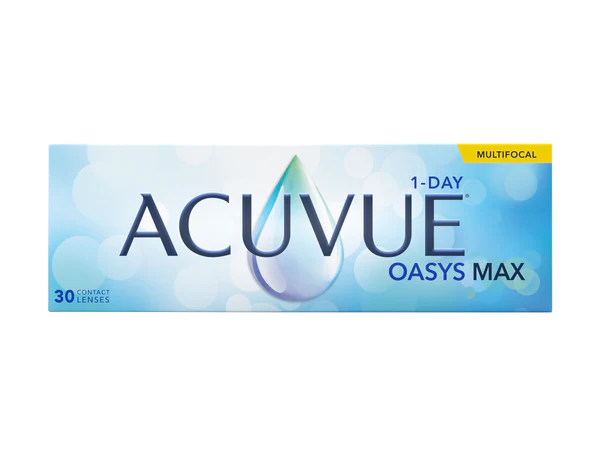
Recommended Daily Disposable Contact Lenses
Acuvue Oasys 1-Day
A daily disposable lens designed for all-day comfort and available in options for astigmatism. It also features Class 1 UV blocking and technology designed to work with your natural tear film.
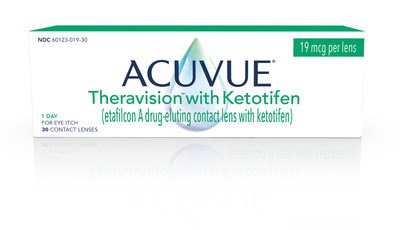
Acuvue Theravision with Ketotifen
A daily disposable contact lens that combines vision correction with an antihistamine that may help reduce eye itch associated with allergic conjunctivitis for suitable patients.
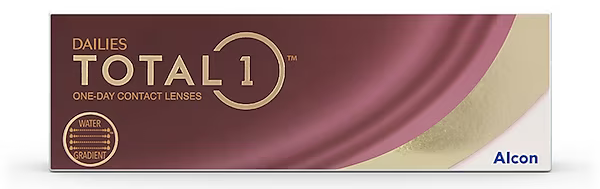
Dailies Total1
Designed with a water gradient surface to promote comfort throughout the day. Available in standard and multifocal designs.
Recommended Monthly Contact Lenses
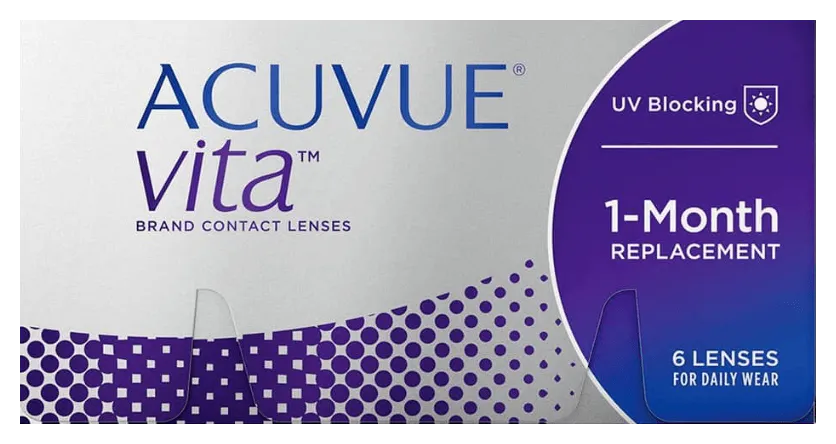
Acuvue Vita
A monthly replacement lens designed to maintain comfort throughout the month and available in toric designs for patients with astigmatism.
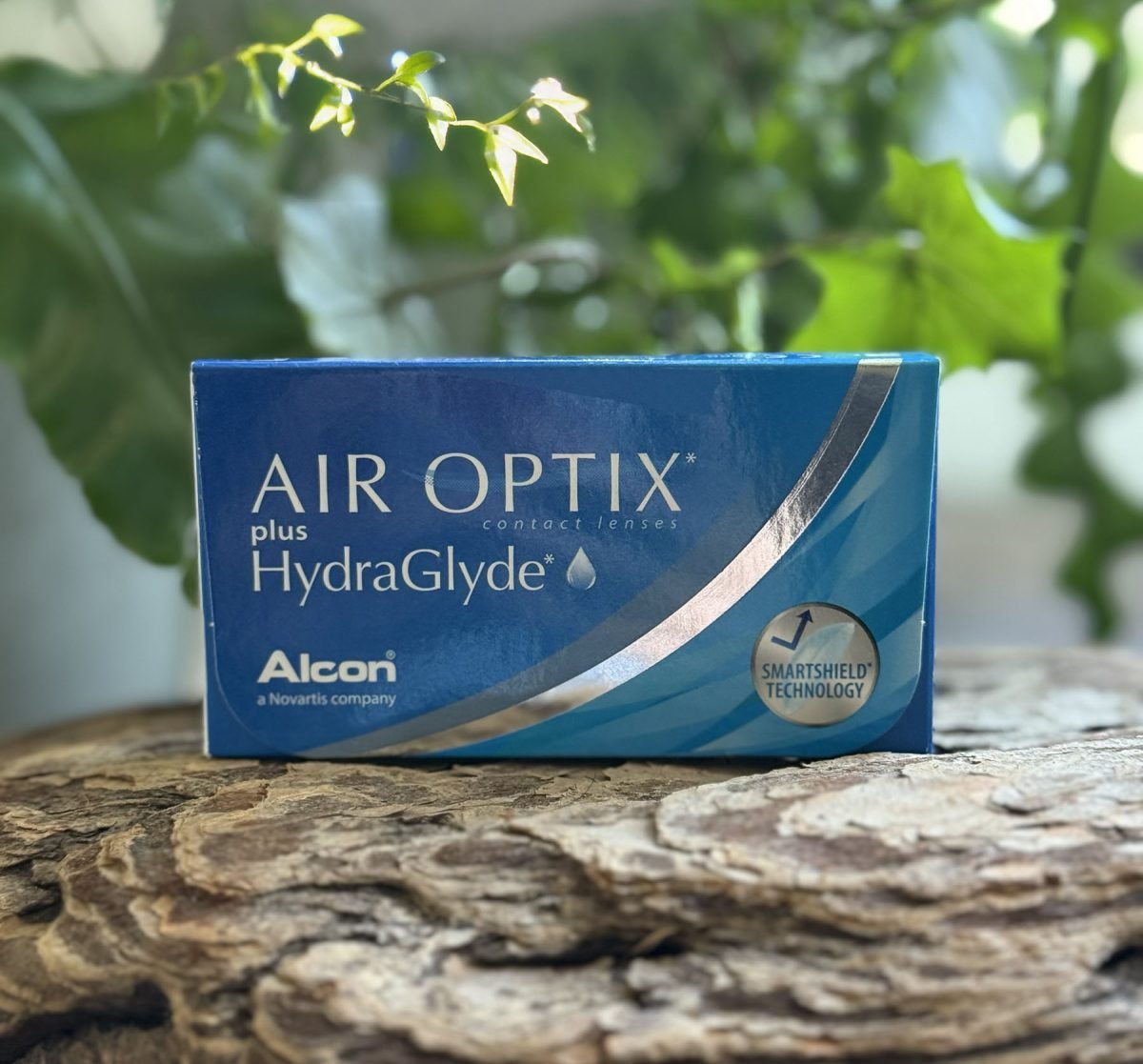
Air Optix Hydraglyde
A monthly lens featuring moisture-retaining technology and available in several prescription options, including toric and multifocal designs.
Recommended Multifocal Contact Lenses
Dailies Total1 Multifocal
Designed for people with presbyopia who want clear distance and near vision in a daily disposable lens.

Bausch + Lomb ULTRA Multifocal
A monthly multifocal lens available in options for patients with astigmatism and presbyopia.
Recommended Budget-Friendly Contact Lens Option
If you wear contact lenses regularly, cost may be an important consideration. Your optometrist can help you compare replacement schedules and lens options to find a solution that fits both your vision needs and your budget.
Commonly prescribed value options include:
- Acuvue Moist 1-Day
- Acuvue Oasys 2-Week
- Acuvue Vita Monthly
Not Sure Which Contact Lens Is Right for You?
Contact Lens FAQs
How much do contact lenses cost?
Contact lens cost depends on the lens type, replacement schedule, prescription, and how often you wear them. Your optometrist can compare options and explain the expected lens and care-supply costs before you order.
Can I order replacement contact lenses without an eye exam?
Sometimes, but replacement orders should match a current prescription and a healthy, well-fitting lens. If your prescription or comfort has changed, an updated eye exam or contact lens evaluation may be needed.
What should I do if my contact lenses feel uncomfortable?
Remove the lens if it feels painful, unusually dry, irritated, or blurry, and contact your optometrist if the problem continues. Do not keep wearing a lens that causes significant discomfort or redness.
Are daily disposable lenses worth the added cost?
Daily lenses can be worthwhile for people who value convenience, wear contacts occasionally, or have allergies or sensitivity. The best value depends on your prescription, wearing schedule, comfort, and care routine.
Can I wear contact lenses if I have dry eyes or allergies?
Many people with dry eyes or allergies can wear contact lenses, but the right option depends on the cause and severity of symptoms. Your optometrist may recommend a different material, replacement schedule, lens-care plan, or treatment for the underlying condition.
How does an optometrist choose the right contact lens brand?
An optometrist considers your prescription, eye health, corneal shape, tear film, lifestyle, wearing schedule, and comfort. Brand name alone does not determine which lens will fit or perform best for you.
How often should I replace my contact lenses?
Follow the replacement schedule prescribed for your specific lenses. Daily, two-week, and monthly lenses are designed for different schedules, and extending wear beyond the recommended interval can increase discomfort and eye-health risks.
What happens during a contact lens evaluation?
A contact lens evaluation includes an eye-health assessment, prescription review, measurements, discussion of your visual needs, and lens fitting. Trial lenses and follow-up visits may be used to confirm clear, comfortable vision.

Reviewed by Dr. Amit Sahota, Registered Optometrist (BScOD)
Jan 5, 2026