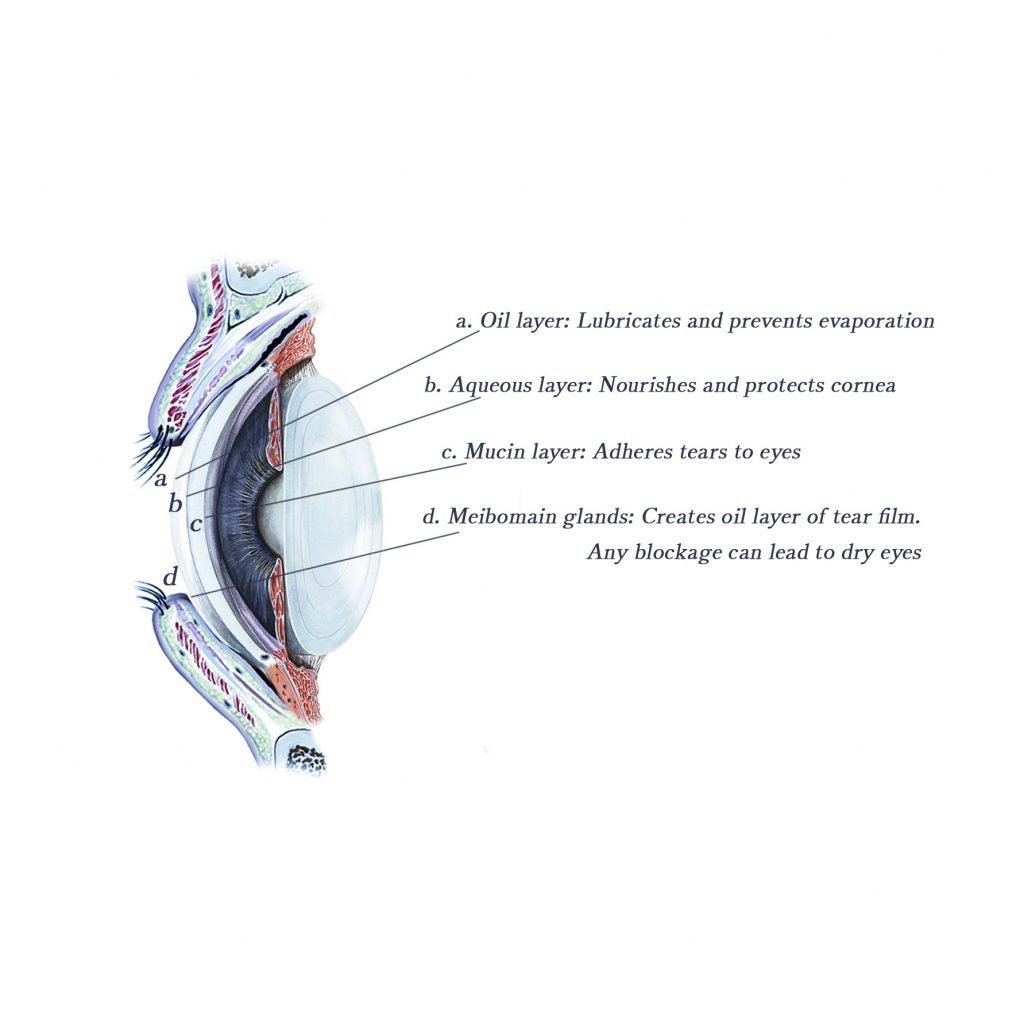
Dry, irritated, or watery eyes aren’t just a moisture problem, they’re often caused by meibomian gland dysfunction (MGD), one of the most common causes of dry eyes, where the oil layer of your tears isn’t working properly. Without this layer, tears evaporate too quickly, leading to ongoing discomfort and unstable vision. Radiofrequency (RF) treatment targets this issue at the source. Using gentle, controlled heat, it helps clear blocked glands, restore healthy oil flow, and improve tear stability for longer-lasting relief.
At Real Eyes Optometry in Burnaby, RF is part of a personalized dry eye treatment plan designed to go beyond temporary fixes and improve how your eyes function over time. Clinical studies show treatments targeting meibomian gland function can improve dry eye symptoms and tear stability, especially in cases linked to gland dysfunction.
Radio Frequency Treatment At a Glance

What it treats: Dry eyes caused by meibomian gland dysfunction (MGD)
How it works: Gentle heat melts blockages and restores oil flow.
Key benefits:
- Improves tear quality and stability
- Reduces inflammation and redness
- Relieves burning, irritation, and fluctuating vision
Treatment type: Non-invasive, in-office, no downtime
Best for:
- Patients not getting relief from eye drops alone
- Digital device users
- Post-LASIK/PRK dryness
- (Peri)menopause, hormonal dry eye
- Contact lens intolerance
What it feels like: Warm, relaxing treatment around the eyes
Goal: Long-term dry eye relief by treating the underlying cause
Do I Have Dry Eyes?
Dry eye doesn’t always feel “dry.” In fact, many people are surprised that watery eyes, irritation, or blurry vision can all point to the same issue.
You may be dealing with dry eyes if you notice:
- A burning, stinging, or gritty feeling, like something is in your eye
- Watery eyes that come and go
- Blurred or fluctuating vision, especially with screen use
- Redness or eye fatigue by the end of the day
Quick way to tell the difference
- Burning or gritty → more likely dry eyes
- Intense itching → more likely allergies
Dry eye symptoms can come and go depending on screen time, or contact lens use. It’s also common for dry eye to overlap with allergies or seasonal changes, making it harder to pinpoint on your own.
Get a Dry Eye Consultation
If you are constantly bothered by dry eye irritation, feeling like your eyes are tired, or having unreliable vision, a comprehensive dry eye assessment can identify the underlying cause(s) and guide the correct treatment plan.
A dry eye assessment usually takes about 30 minutes. Your optometrist will evaluate the following:
- Tear film stability and quality
- Oil gland function in the eyelids
- Tear production levels
- Any surface damage to the eye
Most dry eye cases are linked to meibomian gland dysfunction, which affects the oil layer of your tears and leads to faster evaporation of your tears.
From your assessment, you get a clear, personalized plan, not guesswork. The goal is simple: comfortable vision that lasts all day, not just temporary relief. Because dry eyes can come from blocked oil glands, low tear production, inflammation, allergies, or a mix of causes, your assessment helps confirm whether RF treatment actually matches your type of dry eye.
Why Your Eye Drops Aren’t Working
Eye drops can add temporary moisture, but they don’t fix the underlying issue in many dry eye cases. Most chronic dry eye is linked to meibomian gland dysfunction, where the oil layer of your tears is missing or of poor quality. Without that oil, tears evaporate too quickly, which is why drops often stop working, and more targeted treatments are needed

Medically Reviewed by Dr. Amit Sahota, Registered Optometrist (BSc, OD)
June 18, 2026
Where Does RF Fit in Dry Eye Treatment?
Dry eye treatment usually follows a step-by-step approach based on the cause and severity of your symptoms:
Step 1: At-home care
Preservative free artificial tears, warm compresses, and eyelid hygiene help manage mild symptoms.
Step 2: Targeted in-office treatments
When symptoms persist, treatments like radiofrequency (RF) or IPL help restore oil gland function by applying controlled heat to the eyelids.
Step 3: Advanced or combination therapy
For more severe or long-standing cases, a combination of treatments may be recommended to improve long-term tear film stability and comfort.
RF is typically recommended when dry eye is linked to meibomian gland dysfunction and at-home treatments are no longer enough.
What is radio frequency treatment?
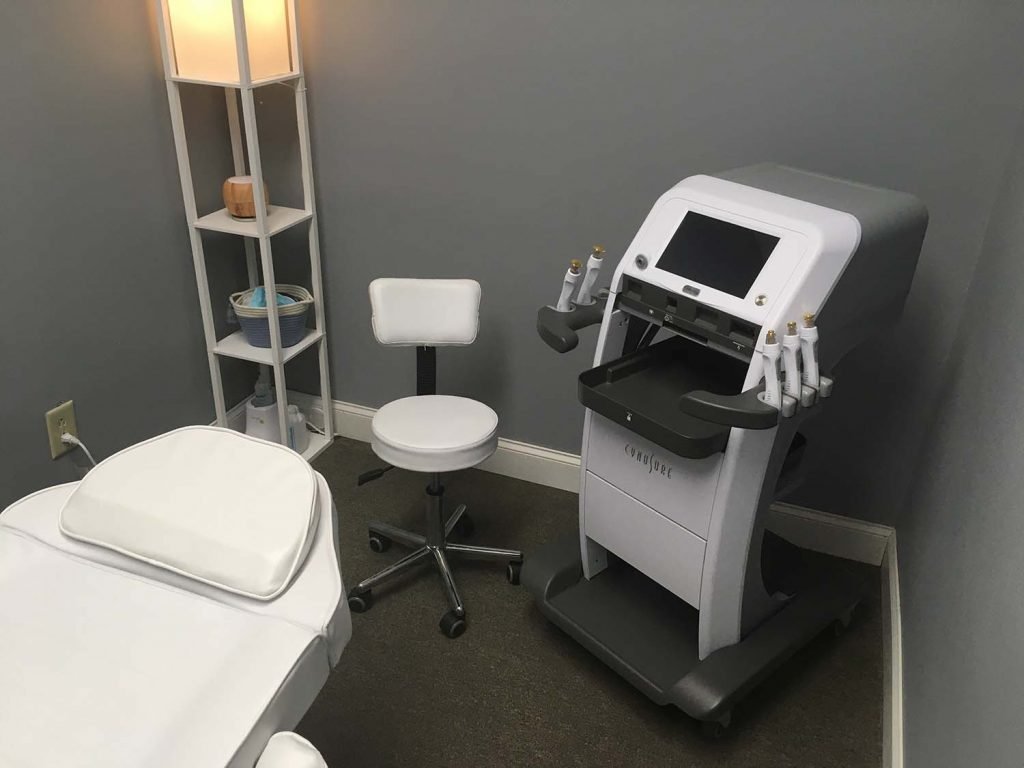
Radio frequency (RF) treatment is a non-invasive dry eye therapy that uses controlled heat to improve how your tear film works. Radio frequency works by gently heating the eyelids to melt and release blocked oil, helping restore a more stable tear film.
Who Is RF treatment best for?
RF is typically recommended when Meibomian GLand Dysfunction (MGD) is confirmed, and at-home treatments are no longer enough. This is when treating the oil glands directly becomes more effective than adding more drops. RF is best suited for patients whose dry eye symptoms are caused by poor oil gland function in the eyelids, which is what occurs in MGD. This treatment is most effective for evaporative dry eye linked to meibomian gland dysfunction, not all types of dry eye.
You may be a good candidate if you experience:
- Burning, stinging, or gritty eyes that don’t improve with eye drops
- Watery eyes caused by unstable tears
- Blurry or fluctuating vision, especially with screen use
- Chronic redness or irritation
- Contact lens discomfort
- Dry eye symptoms that keep coming back
RF is especially helpful for patients who rely on artificial tears but are not getting lasting relief. Instead of just adding moisture, RF helps restore the natural oil layer of your tears by unblocking and improving gland function.
Most patients need a short series of treatments for best results. RF is typically recommended after confirming meibomian gland dysfunction during a comprehensive dry eye assessment.
Not ideal for:
- Active eye infections
- Certain skin conditions near the eyes
- Patients who have not had a proper dry eye assessment
A consultation is the best way to determine if RF is the right treatment for your specific type of dry eye.
Studies show that improving meibomian gland function can stabilize the tear film and significantly reduce dry eye symptoms.
Why your eye drops aren’t working?
Eye drops can relieve symptoms, but they don’t fix the underlying problem. Many cases of dry eye are caused by poor oil gland function, which leads to faster tear evaporation. Without treating this root cause, relief is often temporary.
Why Most Dry Eye Treatments Fail?
Most dry eye treatments focus on symptoms, not the root cause. Artificial tears may give temporary relief, but they don’t fix how your eyes actually produce and maintain a healthy tear film.
For many patients, the real issue is meibomian gland dysfunction (MGD), where the oil glands along your eyelids become blocked or stop working properly. Without this oil layer, tears evaporate too quickly, leading to burning, irritation, and fluctuating vision. This is why drops alone often fall short. They don’t address gland blockage, inflammation, or long-term tear stability.
Modern treatments like radiofrequency are designed to treat the underlying cause of dry eyes by targeting meibomian gland dysfunction, rather than only providing temporary symptom relief.
Backed by Clinical Evidence
Radio frequency treatment is designed to target one of the main causes of dry eye, meibomian gland dysfunction. By gently heating the eyelids, RF helps melt thickened oil, clear blockages, and restore a healthier tear film.
Clinical research shows that treatments targeting gland function can significantly improve dry eye symptoms, tear stability, and overall eye comfort. Because RF focuses on improving how your glands work, rather than just adding moisture, it can provide longer lasting relief compared to drops alone.
RF vs IPL vs Eye Drops: What Actually Works?
When it comes to dry eye treatment, not all options target the same problem. Understanding the difference helps you choose what will actually give lasting relief. While eye drops add moisture and IPL targets inflammation, RF delivers controlled heat directly to the eyelids to help restore natural oil flow.
RF → treats oil glands (root cause)
IPL → reduces inflammation
Drops → temporary relief
Radiofrequency (RF)
Targets the root cause by heating the eyelids to unblock meibomian glands and restore oil flow. This improves tear stability and long-term comfort.
Intense Pulsed Light (IPL)
Primarily reduces inflammation and abnormal blood vessels around the eyes. Helpful for certain types of dry eye when inflammation is a key driver.
Artificial Tears (Eye Drops)
Provides temporary lubrication, but doesn’t fix gland dysfunction or tear quality. Relief often wears off quickly, which is why treating the glands is key.
Your RF Treatment Journey
Knowing what to expect makes the process easier and helps you get better results.
- Consultation
We assess your symptoms and confirm if meibomian gland dysfunction is the cause of your dry eyes. - Imaging & Diagnosis
Advanced imaging may be used to evaluate gland structure and tear quality before starting treatment. - RF Treatment Sessions
Gentle heat helps unblock glands and improve oil flow, restoring a more stable tear film. - Maintenance & Long-Term Care
Follow-up care keeps your glands functioning and prevents symptoms from returning.
How does radio frequency work?
- Gentle heat is applied to the eyelids
- RF energy warms the meibomian glands, which produce the oils that keep your tears from evaporating too quickly
- Blocked oil glands are softened and cleared
- This allows oil to flow more freely, improving tear stability and reducing dryness
- Gland function is restored over time
- Regular treatments can help stimulate healthier oil production and reduce inflammation
Why it matters?
Most dry eye cases are caused by meibomian gland dysfunction (MGD). RF targets this root cause instead of just masking symptoms with drops
What to Expect
- Warm, relaxing sensation around the eyes
- No needles or downtime
- Typically completed in under an hour
RF treatment is designed to provide longer-lasting relief by improving how your eyes function, not just temporary comfort.
Is radio frequency treatment painful?
RF treatment is usually well tolerated and often feels like gentle heat around the eyelids. However, some parts of a dry eye treatment visit, especially eyelid flipping or meibomian gland expression, can feel uncomfortable or painful for some patients. If your eyes are very irritated, inflamed, or sensitive, tell your optometrist so they can adjust the pressure, explain each step, and make the treatment easier to tolerate. Comfort can vary from person to person.

Benefits of Radio Frequency Dry Eye Treatment
Improves Dry Eyes
Clinical research supports RF-based treatments for enhancing gland function and improving long-term tear quality.
Quick Recovery
Most patients return to their normal daily activities right after their visit!
No Surgery, No Needles
The radio frequency sessions are comfortable, safe, non-invasive, and can take as little as 30 minutes.
Skin Tightening
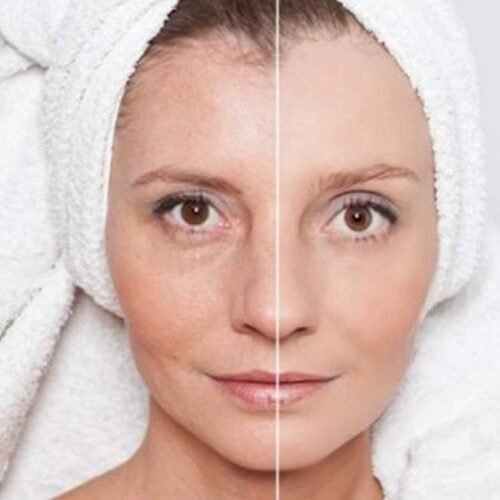
RF relieves dry eyes while gently tightening skin. Reduced puffiness and under-eye bags is a bonus to this treatment.
Anti-Aging
Tightens the skin by triggering the body’s natural reaction to produce new collagen and elastin.
Short & Long Term Results
Feel early relief, gradually building over 4 to 6 weeks. Multiple sessions are necessary for full results.
Is Radio Frequency Suitable for All Skin Tones?
Yes. Radio frequency is safe for all skin types. In fact, it is the first non-laser therapy that can be adjusted to customize the depth of skin layer targeted and the degree of skin resurfacing based on individual patient needs.
Also, the procedure can be enjoyed year-round, regardless of tan or skin color.

“Had a great experience with RF treatment at Real Eyes Optometry. My dry eye already feels better after one session, and I even noticed my under-eye bags looked lighter. I was a bit nervous about the eyelid flip part, but Dr. Amit was amazing, super gentle and reassuring the whole time, which made it way easier than I expected.
Overall really smooth experience including the administrative part, and definitely worth it.”
5-Star Google Review – Angie Nguyen
How Much Does Radio Frequency Treatment Cost?
The cost of radio frequency (RF) treatment for dry eyes can vary depending on how severe your condition is and how many sessions are needed to properly restore oil gland function.
RF treatment is typically provided as a series rather than a one-time visit. This is because meibomian gland dysfunction builds up over time, and consistent heat-based therapy is needed to reopen blocked glands and improve long-term tear stability.
Here’s what usually affects the cost:
- Number of sessions required – many patients start with a structured treatment plan, followed by maintenance sessions
- Severity of dry eye disease – more advanced cases may need additional visits
Because every case is different, pricing is typically confirmed after a dry eye assessment, where your optometrist evaluates your tear film, oil gland function, and overall eye health.
Is Radio Frequency Covered by Insurance?
In most cases, radio frequency treatment for dry eye is not covered by standard insurance plans.
Here’s why:
- RF is considered an advanced or elective treatment, even though it targets the root cause of dry eye
- Coverage may differ depending on your plan, especially if you have extended health benefits
What may be covered:
- Your dry eye consultation or eye exam may be partially or fully covered, depending on your plan
- Some plans may allow reimbursement under health spending accounts (HSA/FHSA)
What to Expect Before You Commit
Before starting treatment, you’ll receive a clear plan that outlines:
- Recommended number of sessions
- Expected timeline for results
- Total cost of care
- Whether maintenance treatments are needed
The goal is to give you predictable, long-term relief, not just short-term symptom management with eye drops. RF treatment focuses on improving how your oil glands function, which is one of the most common root causes of dry eye.
Not sure if RF is worth it for your dry eyes? Book a dry eye consultation first so we can confirm whether your oil glands are actually part of the problem.
Why Choose Real Eyes Optometry for RF Treatment
Dry eye isn’t one-size-fits-all, and your treatment shouldn’t be either. At Real Eyes Optometry, every plan is built around the root cause of your symptoms, not just temporary relief.
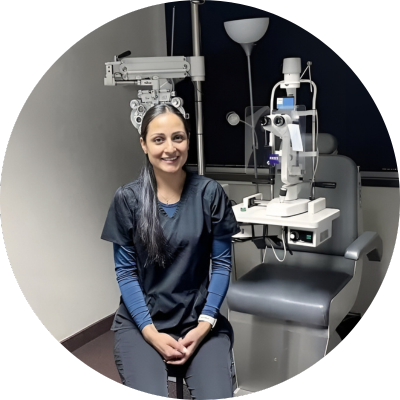
- Led by Dr. Amit Sahota
Dr.Sahota brings a strong clinical focus on diagnosing and treating dry eye at its source. Her approach combines advanced technology with clear, patient-first care, so you understand what’s happening and why each step matters. - Personalized Dry Eye Plans
Your treatment is tailored based on your gland function, tear quality, and lifestyle. This matters because most dry eye cases are linked to meibomian gland dysfunction, which requires targeted care.
- Dr. Amit Sahota is trained in advanced dry eye diagnostics
- Focused on treating MGD at the source
- Over a decade of clinical experience treating and managing dry eye disease as an optometrist.
- Advanced, Evidence-Based Treatment
Radiofrequency is a non-invasive option that improves gland function and tear stability, helping reduce irritation and dryness over time. - Convenient Metrotown Location
Located in Burnaby’s Metrotown, making it easier to stay consistent with treatment, which is key for long-term results.
Real Eyes Optometry
Real Eyes Optometry is centrally located in Metrotown Mall. Our convenient location includes free, accessible parking and the ability for parents to complete errands without driving all over the city.
Consider being able to run to a grocery store, make a clothing return, and grab a quick bite, all while your child is having an eye exam. Of course, accompanying your kid during their eye exam is always a good idea. For details on how to find us, click here.

Dr. Sahota has a special interest in dry eye care and advanced in-clinic treatments, including radio frequency technology, and is known for providing thorough, personalized dry eye consultations in multiple languages.

Dr. Pati enjoys caring for patients of all ages, with a particular passion for family eye care and pediatric eye health, helping kids build strong visual habits early in life.

Dr. Wang is highly experienced in contact lens fitting, with a special focus on specialty lenses, and has helped many patients who thought they could never wear contacts comfortably.
Disclaimer: This information is for educational purposes and does not replace professional medical advice
Is radio frequency around your eyes safe?
Radiofrequency is safe and effective. It’s a non-invasive treatment which means no needles, no surgery, and no need to isolate yourself to heal for weeks on end.
Radio frequency is FDA-approved for relieving dry eyes and reducing the appearance of wrinkles. It is the first adjustable non-laser (non-light-based) device capable of:
- Resurfacing: Induces a natural skin healing process that stimulates collagen and elastin production, which results in smoother, even skin and fades blemishes.
- Ablation: The removal of a thin layer that improves skin texture.
FAQ – Radio Frequency for Dry Eye Treatment
Continue exploring dry eye care: the dry eye hub, dry eye symptoms, best eye drops, contact lenses for dry eyes and summer dry eyes.
Do Radio Frequency Sessions Really Work?
Yes. RF works by gently heating the eyelids to melt thickened oils and unblock the meibomian glands, helping restore a healthy tear film. This can significantly improve dry eye symptoms over time, especially when done in a series.
When Will I See Results From Radio Frequency Treatment?
Most patients notice a visible difference immediately following their appointment, such as relief from dry eyes, tighter, glowing skin. You will also see long term results with radio frequency sessions over the next 4-6 weeks as your skin produces new collagen. Results typically last for a minimum of six months and multiple sessions are recommended to continue to improve your eyes and skin.
How many sessions will I need?
It depends on the severity of your dry eye. Many clinics recommend a series of 3 to 6 treatments spaced a few weeks apart, followed by maintenance sessions as yearly to keep results consistent.
Are there side effects or after effects of radio frequency treatment for dry eyes?
It’s possible for your skin to feel a transient heat arc that results in temporary swelling, redness, and tingling. Most patients report not feeling anything after getting home.
Who shouldn’t try radio frequency treatments
RF is safe for most people, but it may not be recommended if you have active eye infections, certain skin conditions around the eyes, implanted electronic devices (like pacemakers) or are pregnant. A comprehensive eye exam/dry eye evaluation is needed to confirm if you’re a good candidate.
If you’re pregnant
RF is generally considered low risk since it’s non-invasive, but most clinics take a cautious approach and recommend postponing treatment during pregnancy unless medically necessary. Always check with your optometrist and physician first.
Perimenopause or menopause
This is actually a common time to consider RF. Hormonal shifts can disrupt oil production in the meibomian glands, leading to dry, irritated eyes. RF targets these glands directly by warming and unblocking them, helping restore a more stable tear film.
After laser eye surgery (LASIK/PRK)
Post-surgery dry eye is common. RF may help improve gland function and reduce symptoms, but timing matters. Most providers recommend waiting until your eyes have stabilized after surgery before starting treatment. Clinical studies suggest RF is a safe, non-invasive option for dry eye related to gland dysfunction.
Can men use radio frequency?
Yes, absolutely. RF is an inclusive, medical treatment for dry eye. Some men hesitate because it sounds like a cosmetic or spa treatment, but in this setting it’s used clinically to restore oil gland function and improve eye health, not just appearance.
Can RF help watery eyes?
Yes. Watery eyes are often caused by poor oil flow from blocked glands. RF helps restore normal oil secretion, which stabilizes the tear film and reduces reflex tearing.
Is RF good for meibomian gland dysfunction?
Yes. RF directly targets the meibomian glands by heating and melting blockages, improving oil flow and overall gland function. This makes it one of the more effective treatments for MGD-related dry eye.
Am I too young or too old for RF treatment?
RF treatment isn’t based on age, it’s based on your eye condition. It’s commonly used for adults with dry eye, especially those dealing with chronic symptoms or age-related gland changes. Younger patients can still benefit if they have meibomian gland dysfunction or screen-related dryness, while older patients often see improvement as RF helps restore oil flow and break the cycle of chronic irritation. The key factor is whether your oil glands are blocked or underperforming, not your age.