
At a Glance
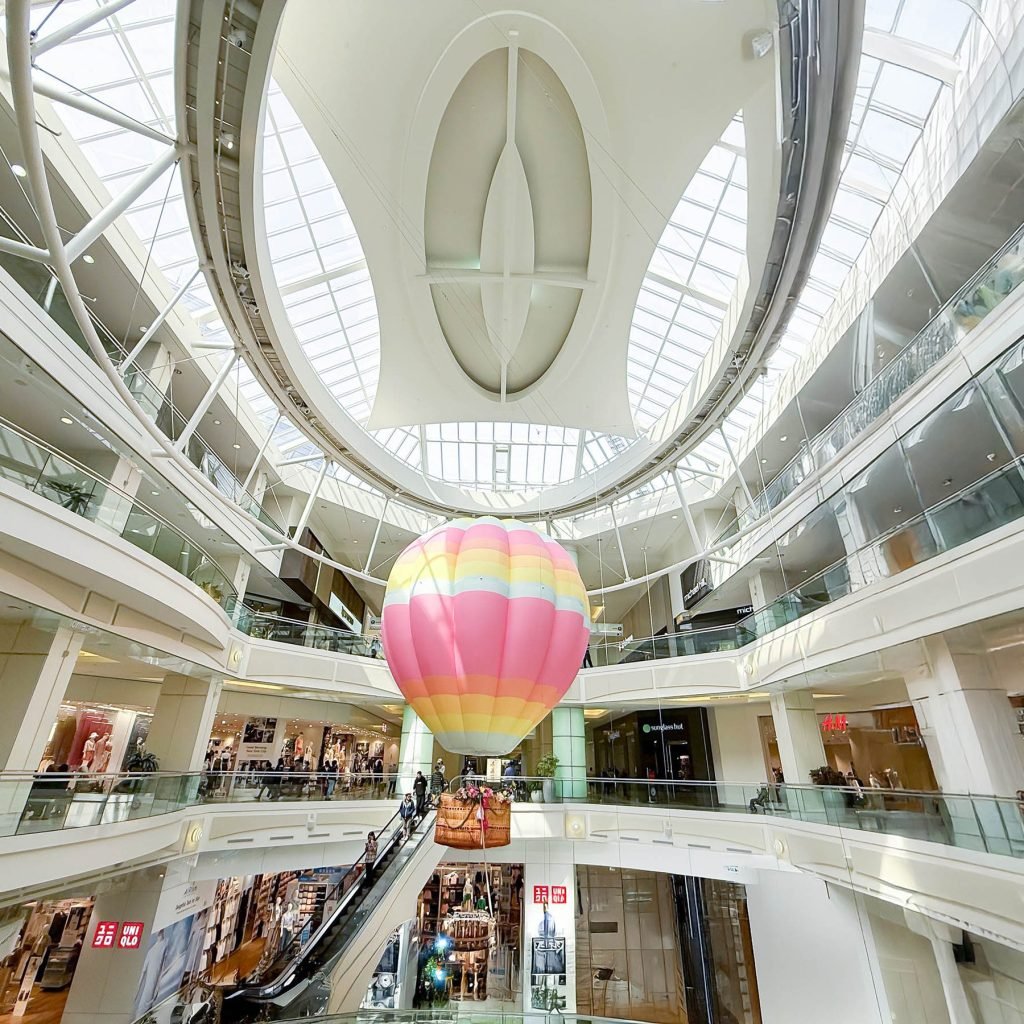
How to Find Real Eyes Optometry at Metrotown?
- Go to Metropolis at Metrotown
- Head to Office Galleria (OG) Level
- Take the elevator to the 4th floor
- We’re right above the Grand Court area
Tip: If you’re running late, call us. We’d rather help you than have you rage-walking around the mall
What we do: Comprehensive eye exams for all ages, enjoyable and informative eye exams for kids, adults, and seniors in Burnaby at Metrotown
Why it matters: Routine eye exams help catch vision changes, eye health issues, and prevent long-term problems
Who it’s for: New patients, returning patients, parents booking for kids, seniors, and anyone needing updated prescriptions
What to expect: Vision testing, eye health assessment, binocular vision evaluation, glaucoma and retina screening
Insurance & billing: MSP coverage for eligible ages, direct billing eye exam options where available
Time required: Expect about 45–60 minutes for most comprehensive exams
MSP coverage key points: MSP often covers routine exams for children and seniors, and medically required exams for adults when criteria are met
A comprehensive eye exam is more than just a routine vision test, it could help save your life.
If you are like most people, your vision has changed more in the last five years than in the decade before. Longer hours on laptops and phones, multiple screens at work, streaming at night, VR headsets, and doom scrolling or gaming sessions before bed. All of that extra near work puts new demands on your eyes and can trigger dry eyes, eye strain, headaches, and blurry vision that comes and goes. At the same time, eyewear has moved on. There are lenses designed specifically for screens, upgraded coatings that cut glare, and better treatments for dry eye and myopia control in kids. The way we use our eyes has changed. Our eye care routine needs to catch up.
Our eyes are also one of the most complex organs in the body. They can show early signs of conditions that do not feel “eye-related” at all, including diabetes, high blood pressure, high cholesterol, hormone imbalance, and even some brain conditions. The Canadian Association of Optometrists notes that systemic disease, like diabetes and high blood pressure, can present with ocular signs that are detectable during a comprehensive eye exam. In many cases, the optometrist is the first health professional to flag these issues so that patients can follow up with their family doctor or specialist.
REAL EYES OPTOMETRY
What is a comprehensive eye exam?
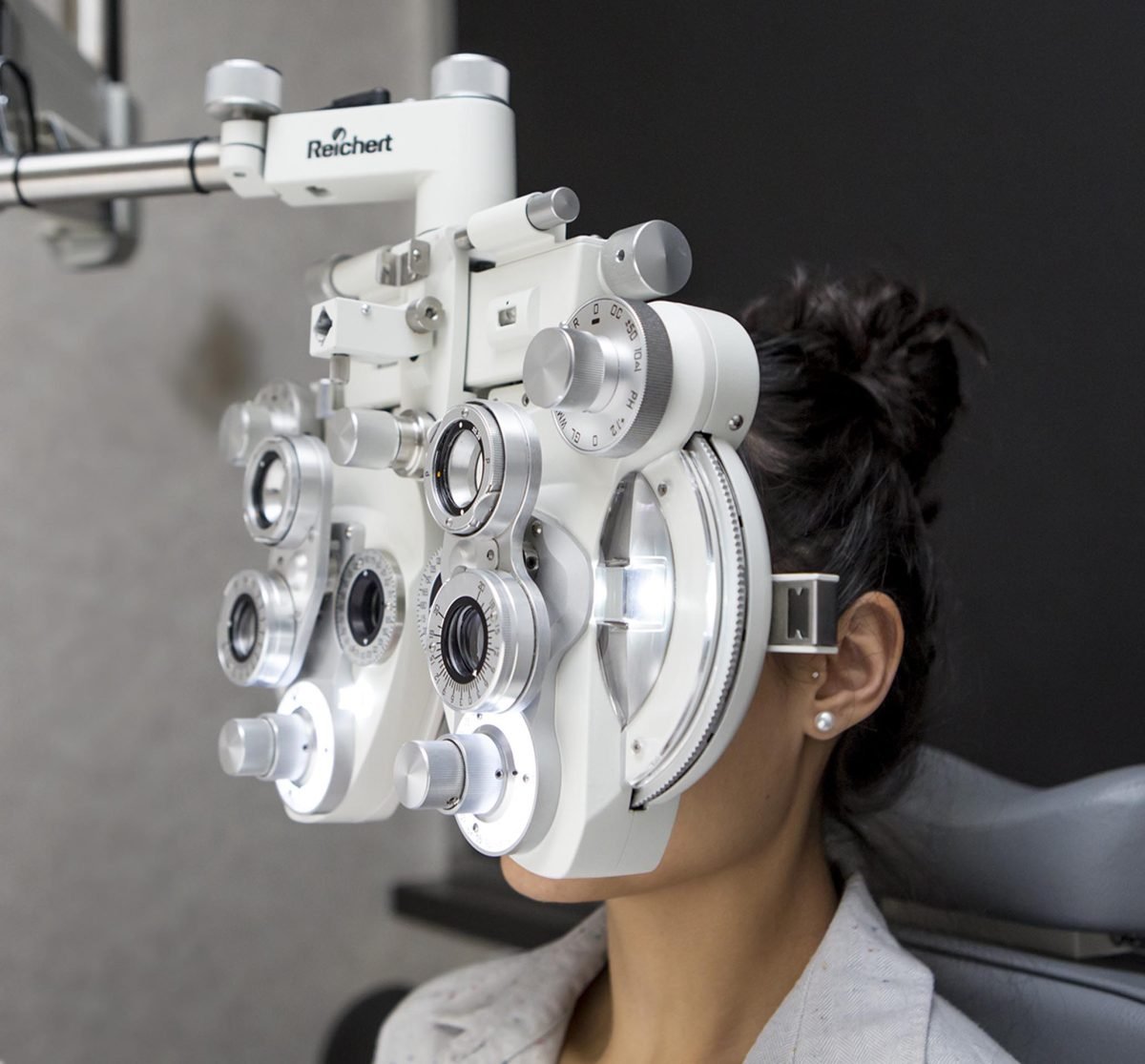
A comprehensive eye exam checks your prescription, yes, but it also checks the health of your eye from front surface to retina, so we can catch changes early and track them over time. It is a full eye health assessment that looks at how clearly you see, how well your eyes work together, and how healthy the front and back of your eyes are. During a complete eye exam, your optometrist or eye doctor checks your prescription, evaluates how your eyes focus at different distances, and screens for eye diseases such as glaucoma, cataracts, and age related macular degeneration.
They also examine the retina and blood vessels at the back of the eye for signs of systemic conditions like diabetes, high blood pressure, or high cholesterol. Even if you feel you see “well enough,” regular comprehensive exams create a baseline and help catch small problems before they become bigger issues.
A comprehensive eye exam is a core part of primary eye care, checking both vision and eye health. Similar to a physical with your family doctor, it looks at your entire visual system and overall ocular health. Using a combination of tools, your optometrist can assess your ocular tissues, blood vessels, optic nerve, and visual pathways. These structures often hold early clues to health conditions that may affect both your vision and your general health.
Depending on your age, vision needs, and health history, a comprehensive eye examination may include, but is not limited to, the following tests and assessments:
- Visual acuity test to measure how clearly you see at different distances
- Binocular vision assessment to see how well your eyes work together
- Ocular motility evaluation to check eye movements and tracking
- Colour vision assessment to screen for colour deficiencies
- Pupil testing to assess neurological pathways and light response
- Refractive error assessment to determine your prescription for glasses or contact lenses
- Anterior segment examination to evaluate the cornea, conjunctiva, lens, and front structures of the eye
- Dilated retinal assessment to examine the retina, macula, and optic nerve
- Patient counselling on refractive status, eye health, and personalized care plans
- Dry eye evaluation to identify signs of dryness, irritation, or meibomian gland dysfunction
- Ocular aesthetics consultation when relevant, for concerns around eyelids, lashes, or periocular skin
- Visual field testing and targeted screening for glaucoma and age-related macular degeneration
Together, these tests form a complete picture of your vision and eye health, and help your optometrist tailor recommendations for glasses, contact lenses, eye drops, lifestyle changes, or further medical follow-up when needed.
Explore Our Eye Care Services
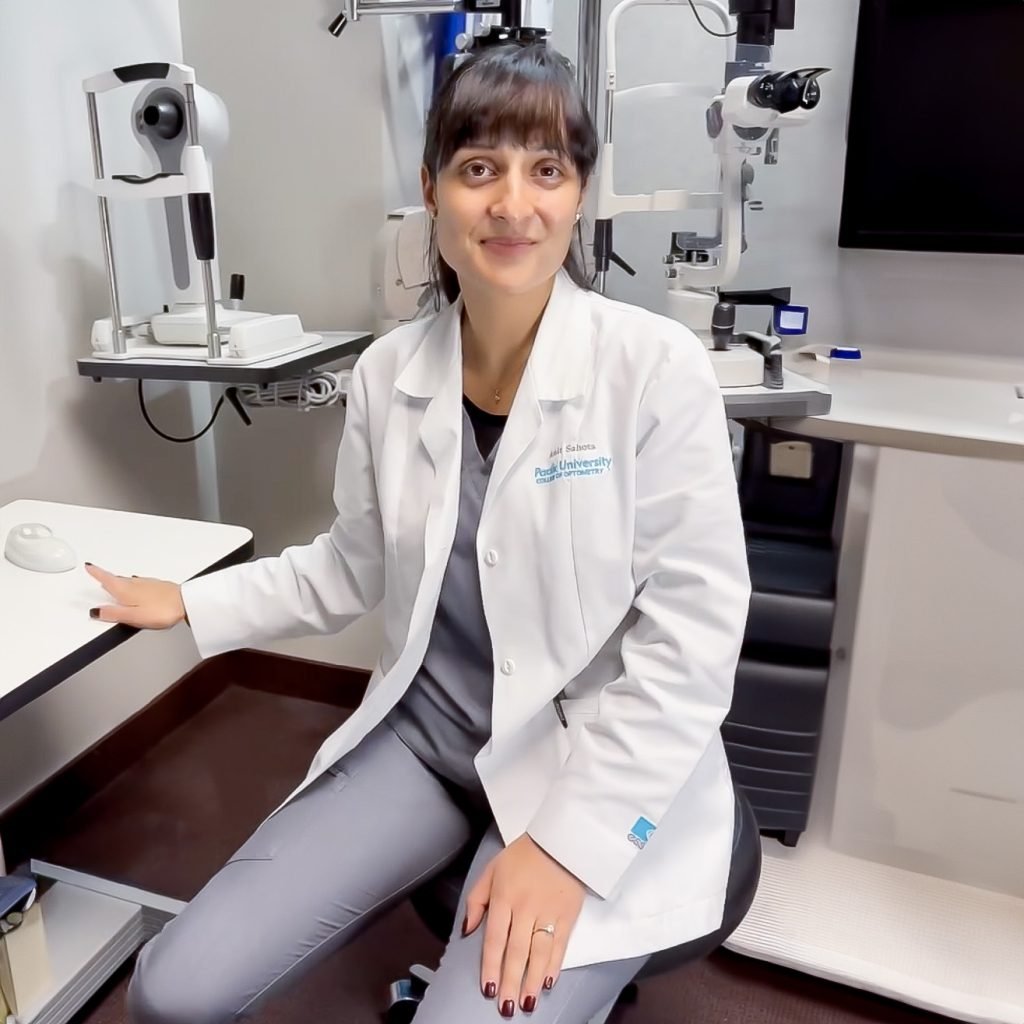
Reviewed by Dr. Amit Sahota
Dr. Amit Sahota, Registered Optometrist (BScOD)
Reviewed January 5, 2026
Canadian Sources
These peer-reviewed Canadian guidelines and studies support the role of comprehensive eye examinations and vision screening across different ages.
- Canadian Ophthalmological Society evidence-based clinical practice guidelines for the periodic eye examination in adults in Canada
Canadian Journal of Ophthalmology, 2007 - Childhood vision screening in Canada: public health evidence and practice
Canadian Journal of Public Health, 2012 - Feasibility of a school-based vision screening program in kindergarten children in Ontario
Canadian Medical Association Journal, 2020 - Choosing appropriate tools and referral criteria for vision screening of children aged 4–5 years in Canada
BMJ Open, 2019
Real Eyes Optometry
Real Eyes Optometry is centrally located in Metrotown Mall. Our convenient location includes free, accessible parking and the ability for parents to complete errands without driving all over the city.
Consider being able to run to a grocery store, make a clothing return, and grab a quick bite, all while your child is having an eye exam. Of course, accompanying your kid during their eye exam is always a good idea. For details on how to find us, click here.
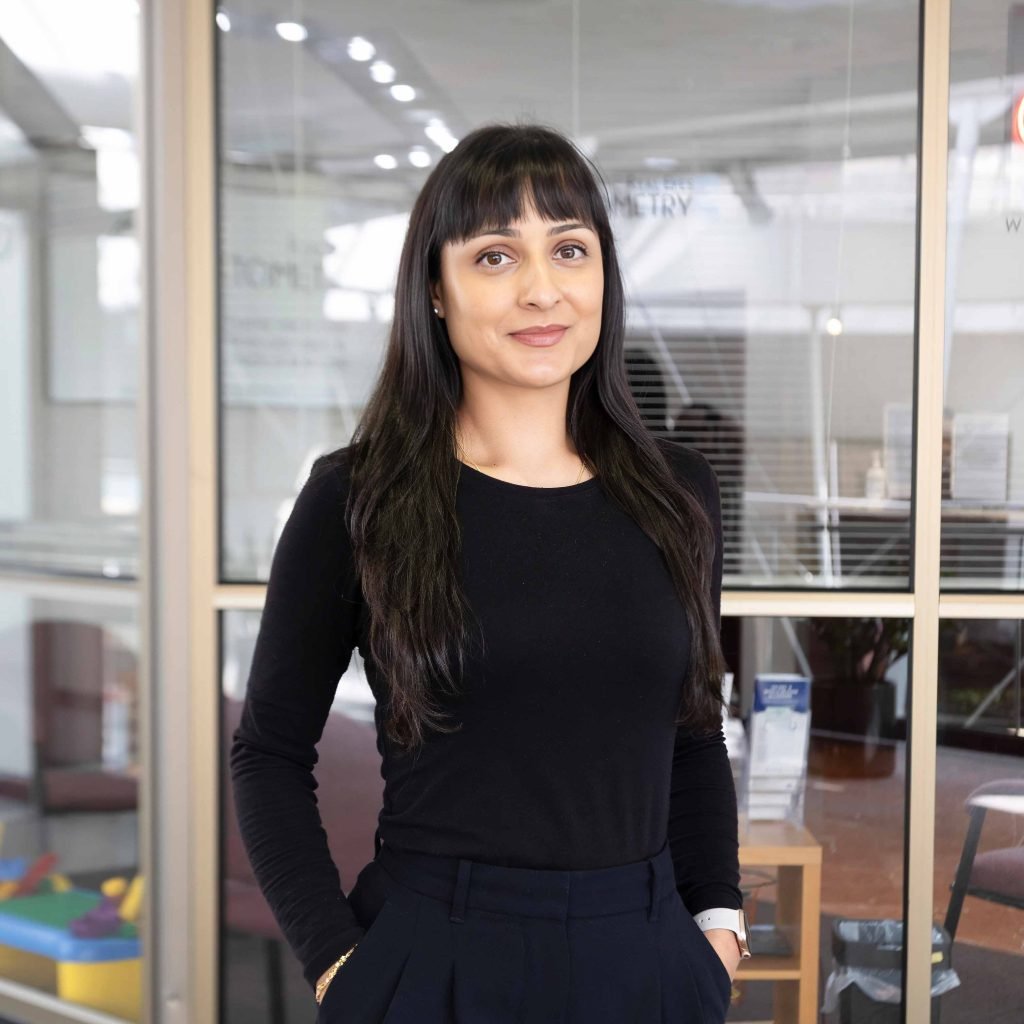
Dr. Sahota has a special interest in dry eye care and advanced in clinic treatments, including radio frequency technology, and is known for providing thorough, personalized dry eye consultations in multiple languages.
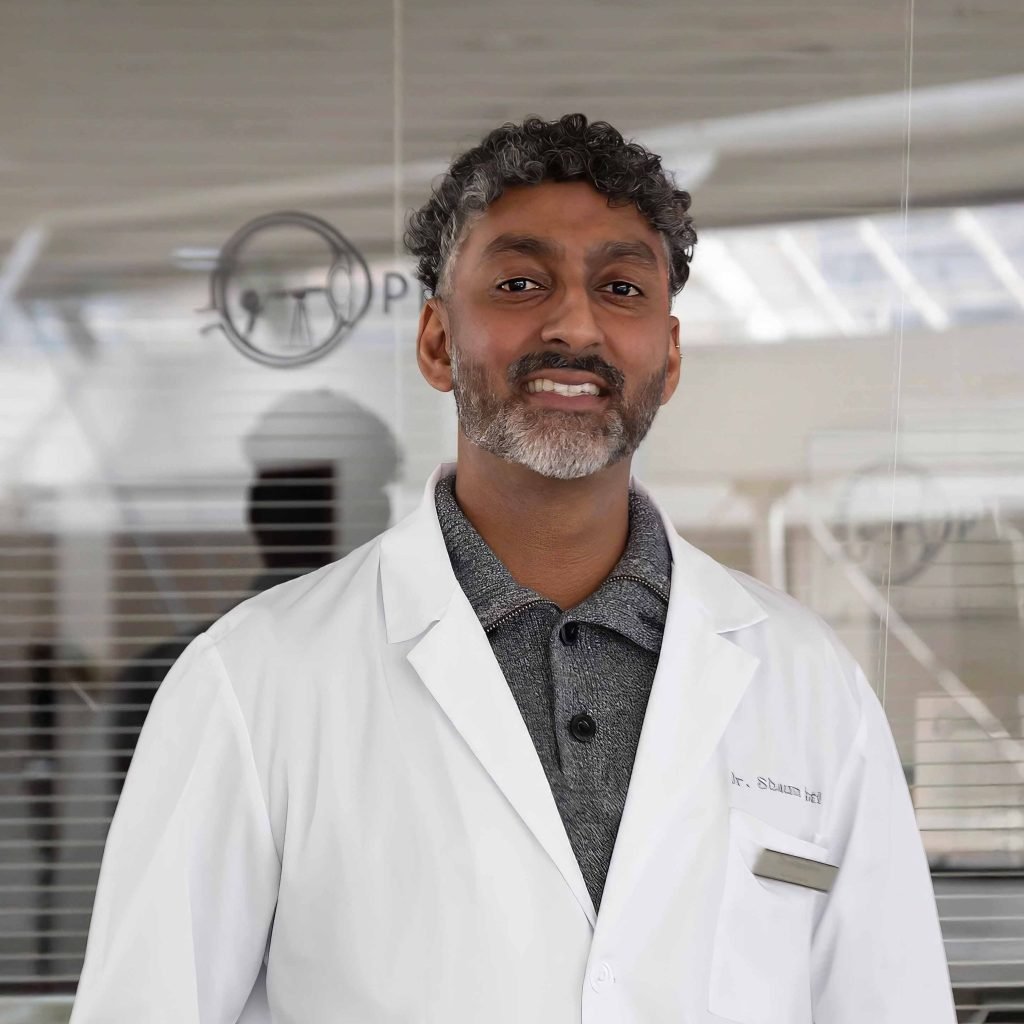
Dr. Pati enjoys caring for patients of all ages, with a particular passion for family eye care and pediatric eye health, helping kids build strong visual habits early in life.

Dr. Wang is highly experienced in contact lens fitting, with a special focus on specialty lenses, and has helped many patients who thought they could never wear contacts comfortably.
Disclaimer: This information is for educational purposes and does not replace professional medical advice
How often should I get a comprehensive eye exam in BC?
The ideal eye exam schedule depends on your age, your health, and your risk factors. The Canadian Association of Optometrists recommends that most healthy adults aged 20 to 39 have a comprehensive eye exam every 2 to 3 years, adults aged 40 to 64 every 2 years, and adults 65 and older once a year. Think of it like dental cleanings, you do not wait for pain to show up.
If you wear contact lenses, have diabetes, a family history of eye disease, or chronic conditions that affect your blood vessels, your optometrist may recommend more frequent visits. Children and teens usually need yearly eye exams to support learning and early detection of eye conditions.
During your visit at Real Eyes Optometry in Burnaby, we will review your personal and family history, then give you a clear, individualized recommendation on how often you should schedule your next comprehensive eye exam.
Are eye exams covered by MSP in BC, and how much do they cost?
In BC, routine eye exams are covered by MSP for children 0 to 18 and seniors 65+ once per year. For adults 19 to 64, routine exams are not covered, but medically required exams may be. If you are not sure what applies to you, we will walk you through it before any optional testing.
At Real Eyes Optometry, we can help you understand how MSP, work benefits, and private insurance work together. Our team will review your coverage, explain expected fees before testing begins, and provide receipts for reimbursement when needed.
If you’ve never had an eye exam before, you might be wondering what to expect.
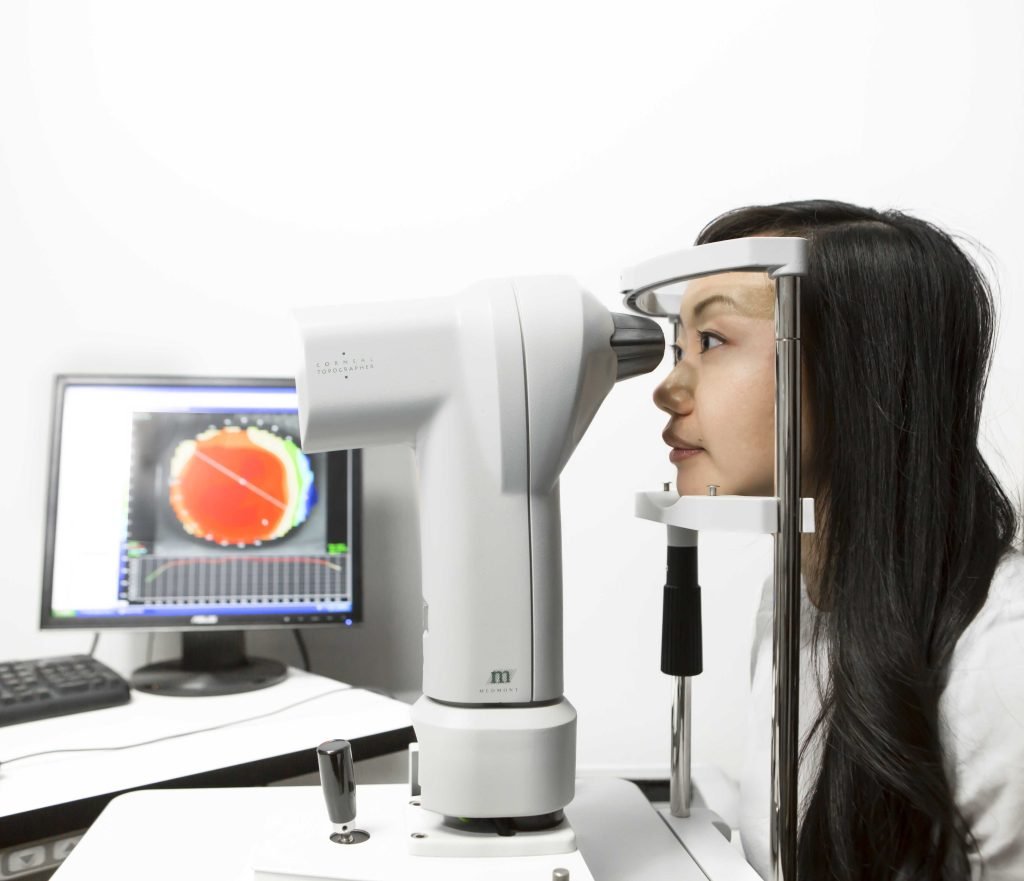
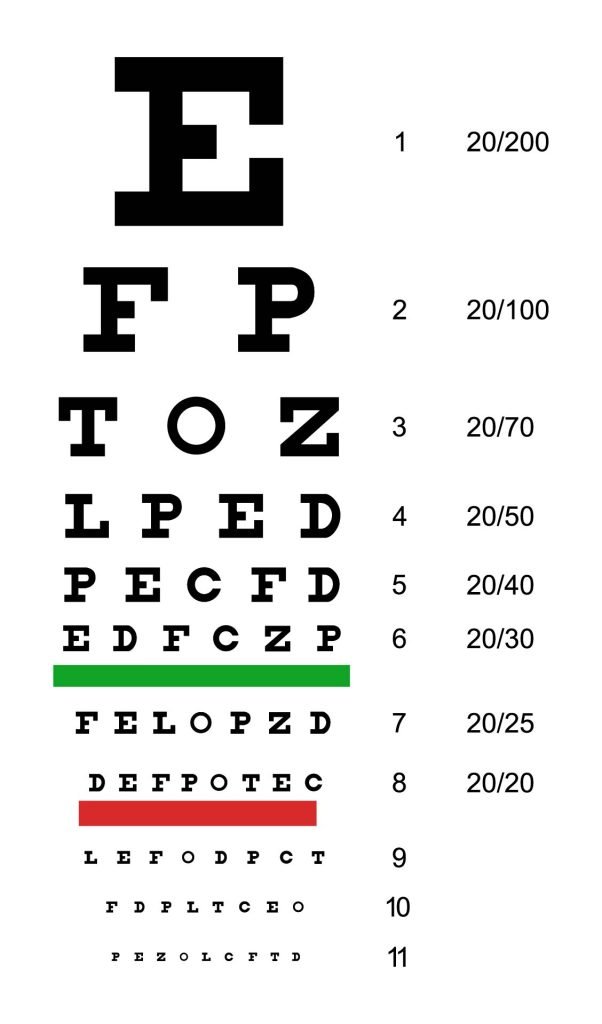
In a typical comprehensive eye exam, you’ll first undergo vision tests where you’ll be asked to read letters off a chart at a distance to assess how clear your sight is. Your eye doctor will also use various instruments to examine the physical structure of your eyes, checking for any irregularities or signs of health issues.
They may dilate your pupils with special eye drops to get a better look at the internal parts of your eyes, like the retina and optic nerve. You might also go through tests to measure your eye pressure, check your peripheral vision, and evaluate your ability to see colors and depth.
The whole process is really straightforward. You might see a few bright lights, 2 puffs of air, and the optometrist will ask you to choose between lenses 1 and 2, or a or b, but nothing sharp or invasive. After about 45 minutes, you walk out knowing a lot more about how your eyes are doing.
Frequently Asked Questions About Comprehensive Eye Exams
Continue exploring eye care at Real Eyes Optometry: what to expect at your exam, insurance and coverage, dry eye care, and special vision assessments.
How Long Does a Comprehensive Eye Exam Take?
Most take between 30 minutes to an hour.
What Should I Bring to my Comprehensive Eye Exam
Check out our page on what to bring to your comprehensive eye exam
What is the Difference Between a Sight Test and a Comprehensive Eye Exam
Unlike a simple vision screening or sight test, which only assesses your vision, a comprehensive eye exam is a complete evaluation of the health of your eyes & vision.
Can I bring my kids to my eye exam at Real Eyes Optometry?
Yes! We are a family-friendly place with a waiting area for kids and can accommodate your situation. Please call in ahead of time if you have any special requests.
How often should adults get an eye exam in Burnaby?
For most healthy adults, an eye exam every 2 years is a good baseline, and some adults aged 20 to 39 may be fine every 2 to 3 years. If you wear contacts, have diabetes, high blood pressure, or a family history of eye disease, we may recommend more frequent visits. During your appointment at Real Eyes Optometry in Metrotown, our optometrists will review your history and give you a personalized recommendation for how often you should return.
Do you offer eye exams for children and teens?
Yes. Our optometrists are experienced with young patients and make visits fun and relaxed. Many Burnaby families book exams for kids after school or on weekends. We’re located near Metrotown SkyTrain, making family appointments convenient.
Do you have multilingual optometrists at your Burnaby clinic?
Yes. Real Eyes Optometry proudly serves Burnaby’s diverse community, with team members fluent in English, Cantonese, Mandarin, and Punjabi. This ensures clear communication and culturally sensitive care for all patients.
Is your eye care clinic accessible for seniors and patients with mobility needs?
Absolutely. Our clinic is located inside Metrotown with elevators, nearby parking, and mall accessibility features that make visits easier for seniors and patients with mobility challenges. If you use a walker, wheelchair, or have specific mobility or health concerns, let our team know when you book. We can adjust appointment length, room setup, and testing to keep your exam as comfortable and stress free as possible.
What makes Real Eyes Optometry different from other Burnaby clinics?
We combine advanced diagnostic technology with a strong commitment to inclusivity, education, and community care. Whether you’re a new resident, student, or long-time Burnaby local, our goal is to make every visit comfortable, transparent, and truly personalized.
Can I book my eye exam online or do I need to call?
You can easily book online through our website or call our Burnaby clinic. Online scheduling lets you choose appointment times that work best for your family, even outside regular hours.
Do you give eye exams to the hearing impaired?
Yes, Real Eyes Optometry offers eye exams for patients who are deaf or hard of hearing. We adapt the exam using written instructions, visual aids, and non verbal cues like numbers and hand signals, and you can tell us your communication preferences when booking. For more information, visit our page on inclusive eye exams.
Is a Comprehensive Eye Exam Necessary?
Yes, absolutely. Comprehensive eye exams help protect your vision and can sometimes reveal early clues of systemic health issues like diabetes or high blood pressure. That’s why we check the retina and optic nerve, sometimes with dilation, to catch concerns early and build a baseline over time. At Real Eyes Optometry, we provide comprehensive eye exams that help detect general health conditions through an internal examination of your eyes via dilation.
Eye Diseases are Preventable
About 1 in 7 Canadians have vision-threatening eye conditions, and much vision loss can be preventable or treatable with early detection.
Eyes can hint at bigger health issues
Eye exams can help identify early signs of underlying health conditions, like brain tumors, high blood pressure, cholesterol, and diabetes.
Your Eyes Change with Age
After 40, you can develop near vision blur. 50s and beyond, your eyeglasses and contact lens prescriptions can change more often.
Child Eye Care
Between ages of 2 to 5 years, an eye exam can help find conditions such as lazy eye and eye turn, which can be treated effectively if caught early.
Comprehensive Eye Exam Disease Detection
The most important part of our comprehensive eye exam is your overall eye health evaluation, which includes checking both the internal and external parts of the eye. During your visit, our optometrists will check for a wide range of eye conditions and diseases, including the following:
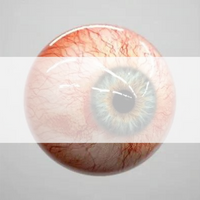
Dry Eye Syndrome
When your eyes do not produce or maintain enough tears to keep your eyes lubricated. If untreated, there are long-term effects.
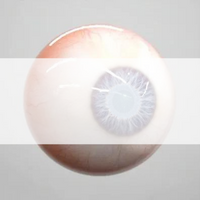
Glaucoma
Elevated eye pressure can damage the optic nerve. This is a leading cause of blindness for people over the age of 60.
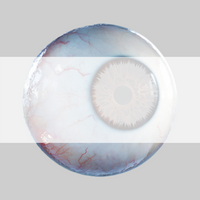
Cataracts
Clouding of your eyes’ internal lens that leads to blurry vision and glare. Can undergo surgery to restore vision in nearly everyone.
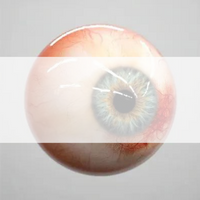
Hypertensive Retinopathy
Caused by long-term high blood pressure damaging the small blood vessels in the retina, which can affect vision if not managed.
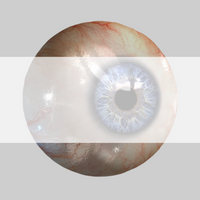
Focusing Ability
Presbyopia is the gradual loss of your eye’s ability to focus on near targets. Common in your mid-40’s and worsening until around age 65.
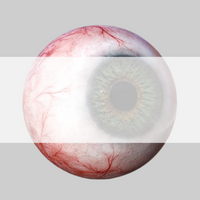
Refractive Error (Prescription)
Results in out of focus vision, most commonly myopia (nearsightedness), hyperopia (farsightedness), and astigmatism.
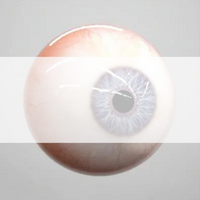
Binocular vision
Eye movement and coordination provide the ability to focus on an item with both eyes to create a single image.
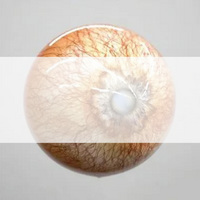
Macular Degeneration
A common eye disorder that occurs in people over 50, impacting part of the retina, causing blurred or reduced central vision.