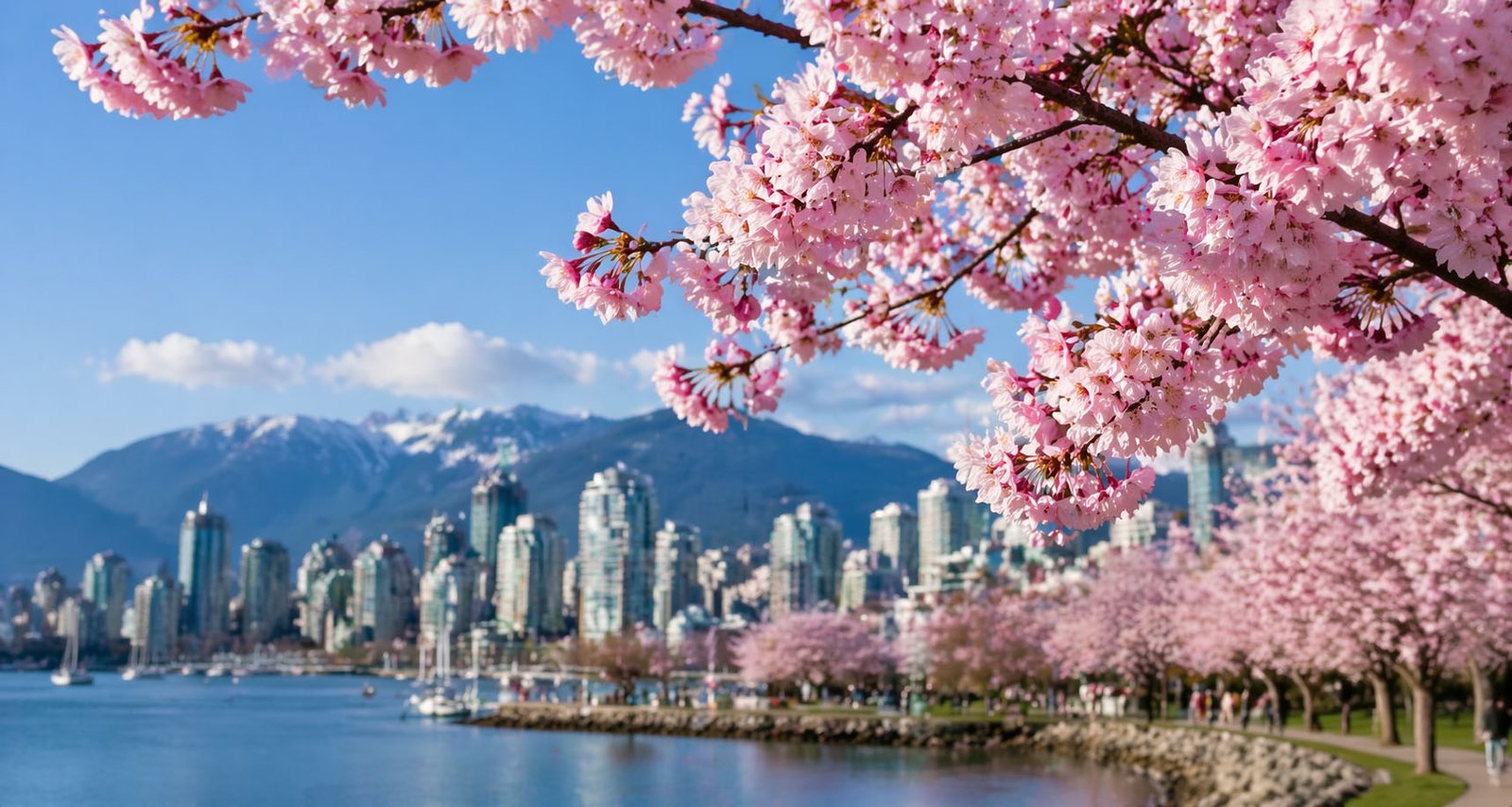
Spring in Vancouver is one of the most beautiful times of the year. Streets fill with soft pink blooms, parks come alive, and the city feels lighter. But for many people, cherry blossom season also marks the start of uncomfortable allergy symptoms.
If you’ve ever searched “cherry blossom allergies Vancouver,” “spring allergies Vancouver,” or even “allergies or cold symptoms,” you’re not alone. Seasonal allergies affect a large portion of the population, and in Vancouver, they often hit right when cherry blossoms begin to bloom.
Cherry Blossom Allergies in Vancouver: What You Need to Know
At a Glance
Common symptoms: itchy, red, watery eyes, puffiness, burning, dryness, light sensitivity, eye fatigue.
Why it happens: your immune system reacts to airborne pollen, releasing histamine that causes inflammation..
When it’s at its worst: spring, especially during peak cherry blossom bloom and dry, windy days.
Prevention: sunglasses outdoors, windows closed, shower after exposure.
When to see an optometrist: If symptoms persist and affect your eyes or vision, an optometrist can prescribe targeted anti-allergy drops and provide relief beyond over-the-counter options.
Are Cherry Blossoms Actually Causing Your Allergies?
Cherry blossoms are one of the biggest allergy myths in Vancouver. Their pollen is heavy and doesn’t travel far. The real trigger is light, airborne pollen from trees like alder and birch, which spreads easily through the wind. Cherry blossoms bloom at the same time, which is why they get blamed.
Stage 1. Early Bloom Spring Allergies
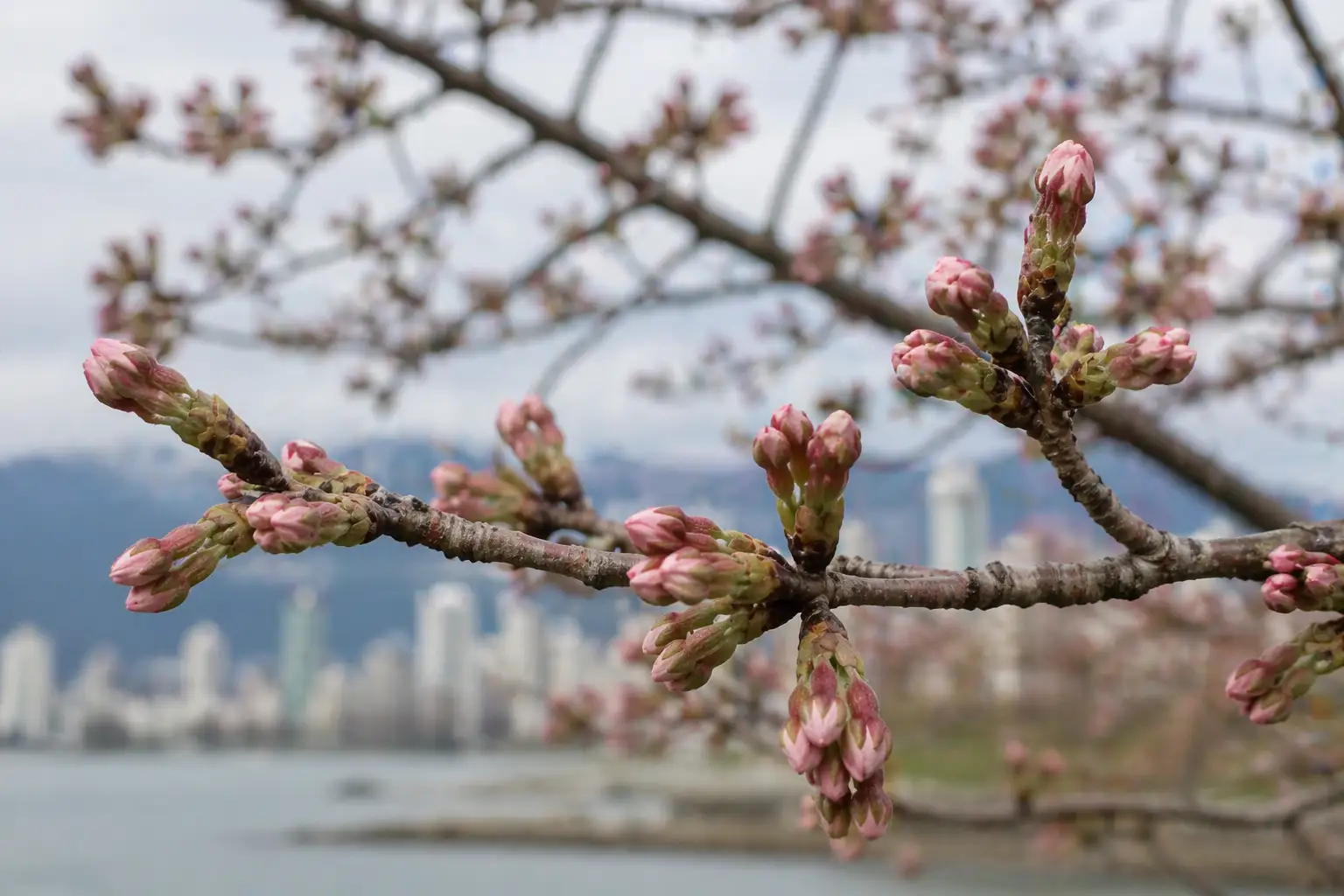
What you see: Akebono blossoms begin.
What’s actually happening: Alder pollen starts releasing.
Symptoms are mild at first: light itching, watery eyes, and maybe a runny nose. This is the quiet start of tree pollen season in BC.
Rashes around the eye are a common symptom of allergies. Because the skin on your eyelids is the thinnest on your body, it is extremely sensitive and reacts quickly to allergens.
Stage 2. Peak Bloom in Vancouver, B.C.

What you see: Full pink canopy across the city.
What’s actually happening: Alder + birch pollen peak.
This is when symptoms spike, red itchy eyes, congestion, sneezing fits. Tree pollen is at its highest in early spring.
Allergy symptoms are getting worseStage 3. Late Bloom/Early Summer Allergies
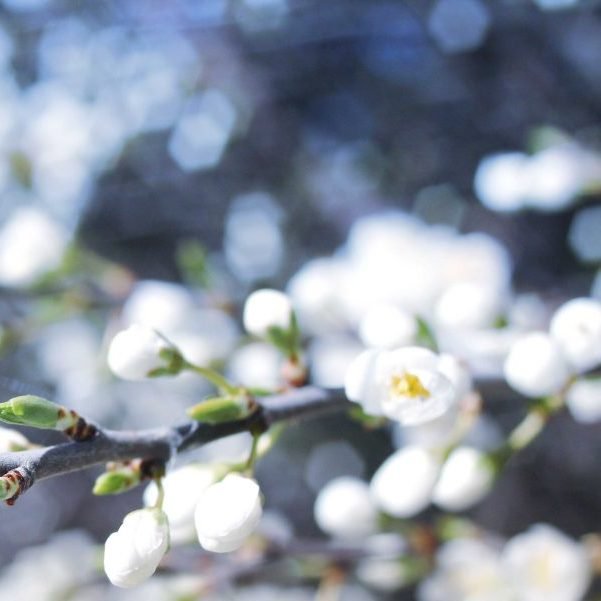
What you see:
Kanzan, Magnolia, and other late-blooming trees.
What’s actually happening:
Tree pollen from birch and other late-spring species lingers in the environment.
Why symptoms can feel worse:
- You’ve had weeks of continuous exposure, so your system is already sensitized.
- Pollen has built up on surfaces like cars, sidewalks, and clothing.
- Warmer temperatures and dry air help pollen circulate more easily.
This staggered blooming pattern is also influenced by temperature and climate patterns, which can shift bloom timing slightly each year.
Common Allergy Symptoms in Vancouver
If you’re dealing with seasonal allergies, especially during cherry blossom season, you may notice:
Eye symptoms
- Redness
- Itchiness
- Watery eyes
- Burning or stinging
- Sensitivity to light
Respiratory symptoms
- Sneezing
- Runny or blocked nose
- Post-nasal drip
- Sore throat
General symptoms
- Fatigue
- Headaches
- Brain fog
- Hives
- Rashes
Many people confuse these symptoms with illness, leading to searches like “allergies or COVID” or “summer allergies Vancouver.”
Less Common Allergy Symptoms
Seasonal allergies don’t always show up as sneezing and itchy eyes. Some symptoms can feel unrelated, making them easy to overlook.
Oral Allergy Syndrome (OAS)
Some people with tree pollen allergies experience an itchy mouth, swollen lips, or a scratchy throat after eating raw fruits or vegetables like apples or carrots. This happens because certain food proteins mimic pollen proteins.
Tooth Sensitivity
Sinus inflammation can create pressure near the upper jaw, leading to aching teeth or sensitivity that feels like a dental issue.
Ear and Auditory Changes
Blocked eustachian tubes from inflammation may cause ear fullness, popping, or even temporary ringing (tinnitus).
Joint and Muscle Aches
Systemic inflammation from allergic responses can lead to body aches, heaviness, or fatigue-like symptoms.
Skin and Eye-Related Signs
- Allergic shiners: dark circles under the eyes caused by congestion
- Subtle skin reactions: warmth, tingling, or swelling without a visible rash
These symptoms reflect how spring allergies can affect the entire body, not just the nose and eyes.
How to Manage Spring Eye Allergies
Managing eye allergies comes down to three things: reduce exposure, calm inflammation, and treat early and take preventive measures.
Step 1. Reduce pollen exposure
- Wear wrap-around sunglasses outdoors.
- Avoid peak pollen times (warm, dry, windy days).
- Rinse your eyes or use preservative free artificial tears after being outside.
Step 2. Soothe irritated eyes
- Apply a cold compress for 5–10 minutes to reduce itching and swelling.
- Use preservative-free artificial tears to flush out allergens.
- Avoid rubbing your eyes; it worsens inflammation.
Step 3. Treat symptoms early
- Use antihistamine or anti-allergy eye drops.
- Consider oral antihistamines if needed.
- Optometrists can prescribe stronger treatments when symptoms persist.
Step 4. Control your indoor environment
- Keep windows closed during high pollen days.
- Use a HEPA air purifier.
- Shower and change clothes after outdoor exposure.
When to seek help?
If your eyes are painful, your vision is affected, or symptoms are not improving after a few days, book an eye exam with Real Eyes Optometry in Burnaby for targeted treatment options.
Optometrist Recommended Products for Spring Allergies
At Real Eyes Optometry, we often recommend HYLO® Dual as a simple over-the-counter option for managing both dry eye and allergy symptoms. It’s a preservative-free artificial tear, which means it’s gentle enough for frequent use, especially during peak allergy season.
HYLO® Dual uses ectoine, a natural ingredient that helps protect the eye’s surface and reduce inflammation caused by allergens like pollen. This can help calm itching, redness, and irritation while also improving tear film stability. HYLO® Dual works well for patients dealing with that mix of dry, gritty, and allergy-irritated eyes that’s common during spring time in Vancouver’s.
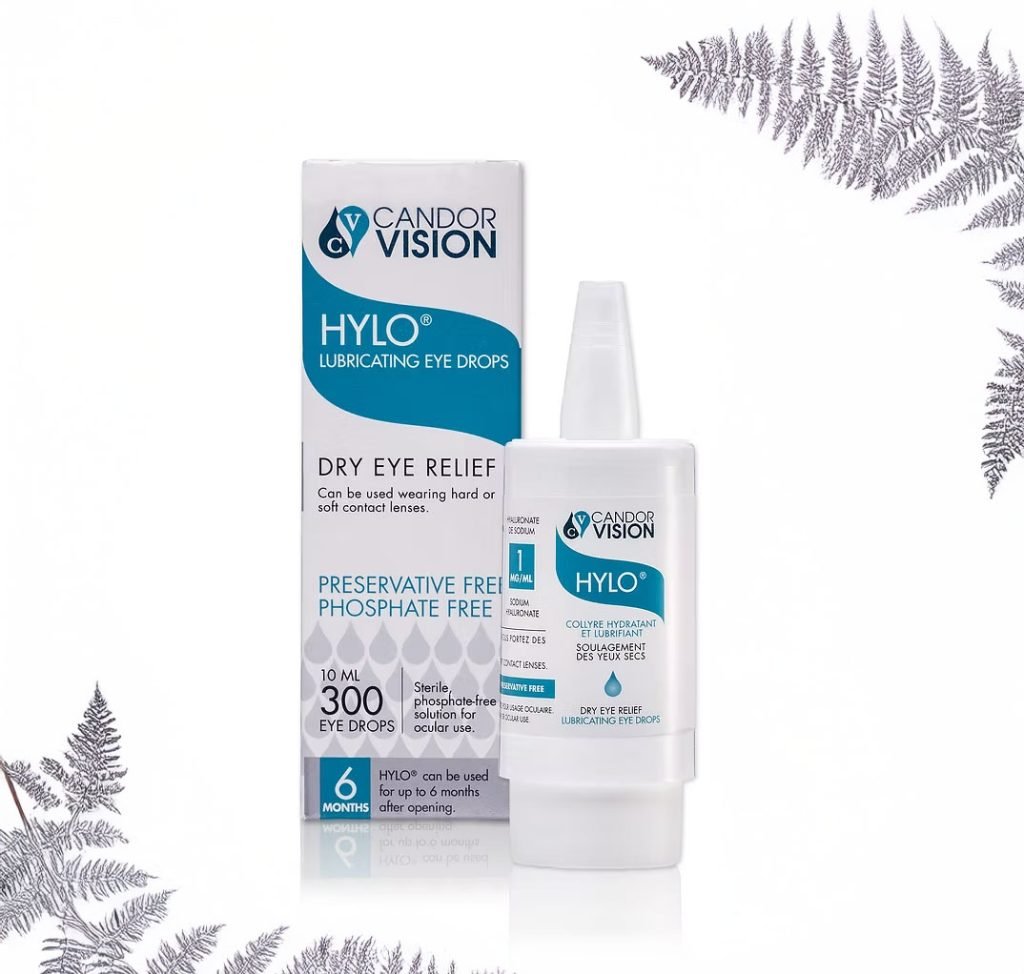
Relief starts here. HYLO® Dual targets both allergy symptoms and dry eyes, so you can feel comfortable again, fast.
- Preservative-free
- Relieves allergy + dry eye symptoms
- Safe for frequent use
How can I tell if it’s a cold or spring allergies?
Know the difference so that you can find the right relief.
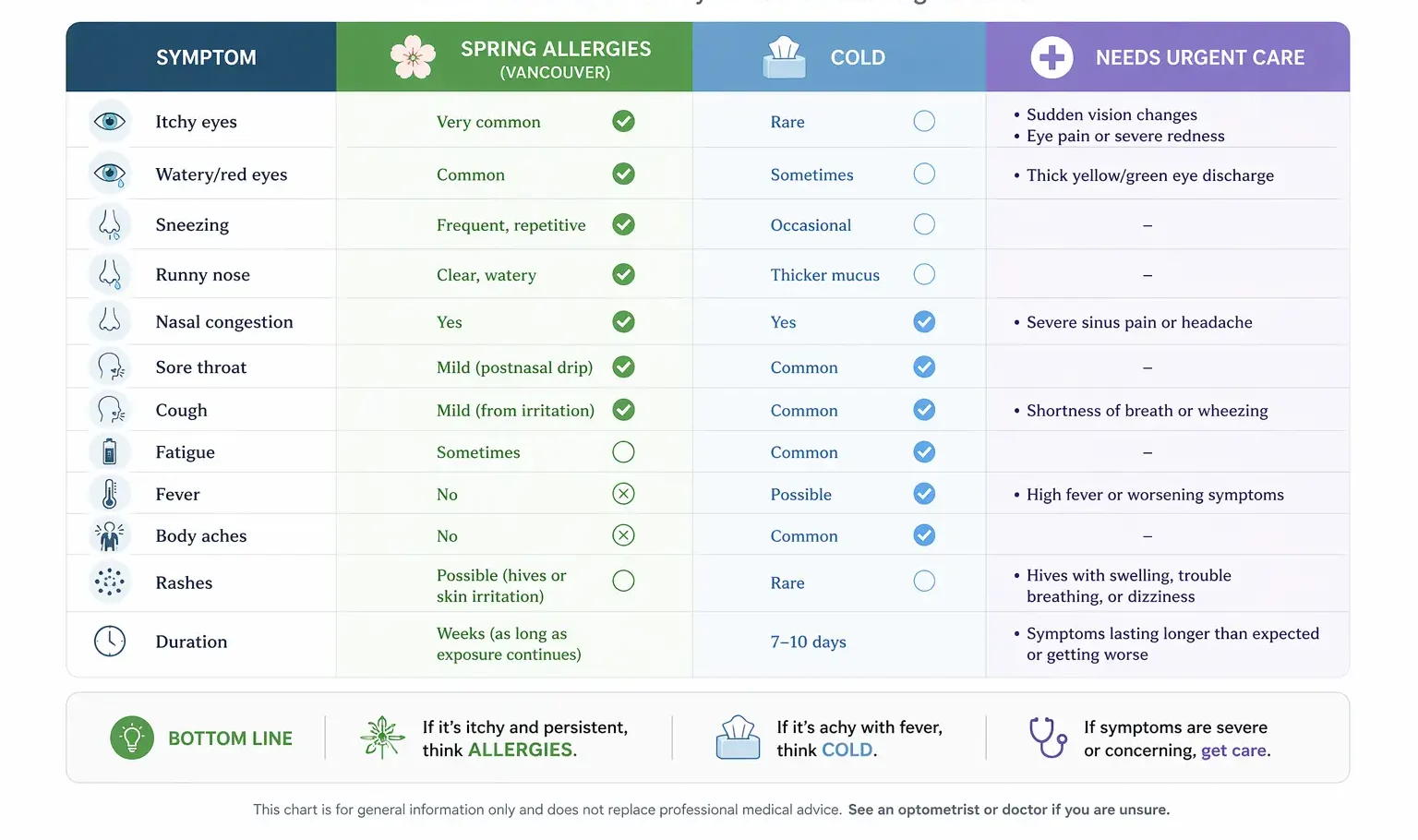
Spring Allergies vs. Pink Eye vs. Dry Eye
These three conditions can look similar, but a few symptoms usually help tell them apart. If symptoms are painful, affect vision, or aren’t improving, it’s worth booking an eye exam.
Eye Allergies usually cause itching, redness, watering, and puffiness, often in both eyes. They’re commonly linked with sneezing or nasal allergy symptoms.
Get an Eye ExamPink eye: More likely to cause thicker or stickier discharge, crusting, swelling, and irritation. It may start in one eye and can be contagious if caused by an infection.
Dry eye: Often feels gritty, burning, tired, or fluctuating/blurry vision, without the intense itching of allergies or the sticky discharge of pink eye.
When Are Allergy Symptoms an Eye Emergency?
Most eye allergy symptoms, like itching, redness, and watering, are uncomfortable but not dangerous. However, some symptoms can signal something more serious and should not be ignored.
Go to urgent care or ER immediately if you have the following:
- Sudden vision changes or vision loss
- Severe eye pain or headache
- Light sensitivity (photophobia) with pain
- Eye injury or something stuck in the eye
- Severe swelling where you can’t open your eye
These are red flags and may indicate infection, inflammation, or injury, not just allergies.
When in doubt, get your eyes checked out
See an optometrist if:
- Redness doesn’t improve after a few days
- Symptoms are getting worse instead of better
- You have thick discharge (not just watery tears)
- Your eyes are too sensitive or painful to function normally
- You can’t fully open your eye due to irritation or swelling
Women’s Health, Hormones, and Seasonal Allergies
Hormonal changes can directly affect your eyes, especially during allergy season. Fluctuations in estrogen and androgen levels influence tear production, oil gland function, and overall eye surface stability. When these systems are disrupted, your eyes become more sensitive to allergens like pollen.
The estrogen–histamine connection
Estrogen can increase histamine levels in the body, while histamine can also stimulate more estrogen, creating a feedback loop. This can amplify allergic responses like itching, swelling, and eye irritation.
Luteal phase sensitivity (before your period)
During the luteal phase, progesterone rises, and estrogen fluctuates. Some women experience lower histamine tolerance during this time, which can lead to:
- Skin rashes or hives
- Itchy eyes and throat
- Increased sensitivity to pollen
Perimenopause and menopause effects
Hormonal shifts during perimenopause can make allergies feel worse or even trigger new sensitivities. Changes in estrogen levels may increase histamine activity, leading to symptoms like flushing, itching, and headaches.
Why spring allergies hit harder
When hormonal sensitivity overlaps with a high pollen season, symptoms can feel more intense and longer-lasting.
Why does this matter during spring allergies
If your tear film is already unstable, pollen has a stronger effect on your eyes. This is why some people notice worse eye allergy symptoms during times of hormonal change, even if pollen levels are similar.
If your symptoms feel unusually intense, persistent, or different from past seasons, it may not be allergies alone. Dry eye and hormonal changes can overlap, and an eye exam can help identify the exact cause.
Why Vancouver Allergies Feel Worse Than Other Cities
If your allergies feel more intense in Vancouver, you’re not imagining it. In Vancouver, it’s not just one allergy season; it is stacked from spring allergies to summer allergies, with extended exposure, which is why symptoms can feel stronger and last longer.
High tree pollen levels
Vancouver is consistently ranked among the worst cities in Canada for tree pollen, especially in early spring when alder and birch peak.
Longer allergy seasons
Warmer temperatures and rising CO₂ levels are extending growing seasons, meaning pollen starts earlier and lasts longer than it used to.
Layered pollen waves
Different trees release pollen in sequence, alder first, then birch, then other species, creating continuous exposure rather than a short spike.
Coastal climate effects
Mild winters allow pollen-producing trees to thrive, while wind and temperature shifts keep pollen circulating in the air.
Real Eyes Optometry
Real Eyes Optometry is centrally located in Metrotown Mall. Our convenient location includes free, accessible parking and the ability for parents to complete errands without driving all over the city.
Consider being able to run to a grocery store, make a clothing return, and grab a quick bite, all while your child is having an eye exam. Of course, accompanying your kid during their eye exam is always a good idea. For details on how to find us, click here.

Dr. Sahota has a special interest in dry eye care and advanced in-clinic treatments, including radio frequency technology, and is known for providing thorough, personalized dry eye consultations in multiple languages.

Dr. Pati enjoys caring for patients of all ages, with a particular passion for family eye care and pediatric eye health, helping kids build strong visual habits early in life.

Dr. Wang is highly experienced in contact lens fitting, with a special focus on specialty lenses, and has helped many patients who thought they could never wear contacts comfortably.
Disclaimer: This information is for educational purposes and does not replace professional medical advice
Cherry Blossom Allergies FAQ
Warm, dry, and windy conditions increase airborne pollen, which can intensify symptoms like itching and redness, making it feel like summer allergies.
Usually no. Tree pollen like alder and birch is the main trigger. Blossoms just bloom at the same time.
Pollen builds up on your skin, hair, and lashes during the day, causing delayed irritation when you wind down.
Yes. Excess tearing and inflammation can temporarily blur vision, but persistent blur should be checked.
Pollen lingers on surfaces and in the air, and your immune system stays activated.
Allergies usually affect both eyes and cause itching. Thick discharge or one-sided symptoms may indicate infection.
They can. Some antihistamines reduce tear production, making dryness more noticeable.
Use cold compresses, preservative-free artificial tears, and avoid rubbing your eyes.
If symptoms flare, switching to daily disposables or taking a break can help reduce irritation.
If symptoms persist, worsen, or affect your vision, a personalized treatment plan can help.
Continue exploring dry eye care: the dry eye hub, dry eye symptoms, eye drops, summer dry eyes and winter dry eyes.
Can spring allergies and pollen cause sore throat allergies?
Yes, they can. A sore or scratchy throat is a common allergy symptom, especially during spring. It’s usually caused by postnasal drip, where mucus from your sinuses drains down the back of your throat and causes irritation.
How can I tell whether eye symptoms are allergies or dry eye?
Allergies often cause intense itching, while dry eye more often causes burning, grittiness, fluctuating blur, or irritation. Both can occur together, so an eye assessment may be useful when symptoms overlap.
Can seasonal allergies make dry eye worse?
Yes. Pollen-related inflammation, rubbing, wind, and antihistamine use can all make the tear film less stable.
What helps itchy, watery eyes during allergy season?
Reducing exposure, avoiding eye rubbing, using clinician-recommended allergy or lubricating drops, and managing the underlying cause can help.
When should I see an optometrist for spring eye symptoms?
Book an assessment if symptoms persist, affect vision, recur each season, or include pain, marked redness, light sensitivity, or discharge.
Can antihistamines cause dry eyes?
Some antihistamines can reduce tear production or worsen dryness in certain people. Ask your doctor or optometrist about alternatives if this is a concern.
Can spring allergies affect contact lens comfort?
Yes. Pollen and inflammation can make lenses feel less comfortable. Daily disposable lenses or a temporary glasses break may help some patients.
How are spring allergies treated when drops are not enough?
Your optometrist can help determine whether allergy treatment, dry-eye support, lid care, or another approach is appropriate.

Medically Reviewed by Dr. Amit Sahota, Registered Optometrist (BSc, OD)
April 22, 2026