Most dry eye isn’t just about needing more tears. It’s often caused by blocked oil glands in your eyelids. Radio frequency is a treatment designed to target that root problem, not just temporarily relieve symptoms.
At a Glance
Quick bullets:
- Best for: evaporative dry eye (MGD)
- What it does: gently heats eyelids to improve oil flow
- Why it works: stabilizes tear film, reduces evaporation
- When it’s used: when drops are not as effective
- Downtime: none
- Feels like: warm facial massage
Why Your Dry Eye Keeps Coming Back
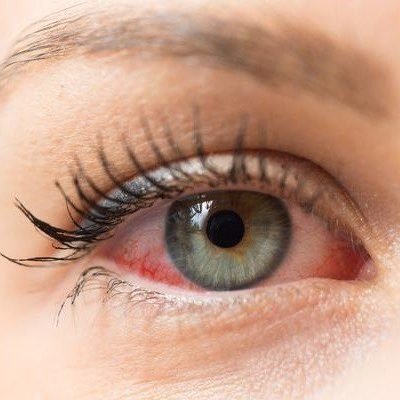
If your eyes feel dry, watery, or irritated even after using drops, the issue may not be a lack of tears. It’s often a problem with how your tears are working.
Your tear film has three layers. One of the most important is the oil layer, which helps keep moisture from evaporating too quickly. When this layer isn’t working properly, tears can disappear faster than your eyes can replace them.
This is where many people get stuck in a cycle:
- You use eye drops
- Your eyes feel better for a short time
- The dryness comes back again
This happens because the underlying issue hasn’t changed.
Why Some Dry Eye Treatments Focus on the Oil Glands
In some cases of dry eyes, adding more moisture does not address the underlying issue. When the oil layer of the tear film is not functioning properly, tears can evaporate too quickly, even if tear production is normal. This can lead to ongoing symptoms like irritation, watery eyes, or fluctuating vision.
Because of this, some treatment approaches focus on the eyelid glands rather than only increasing tear volume. The goal is to support how the tear film behaves and remains stable over time, rather than simply replacing moisture. This is especially relevant in evaporative dry eye, where the structure of the tear film plays a key role in symptom persistence.
Why This Approach
In some cases of dry eyes, adding more moisture does not address the underlying issue. If the oil layer of the tear film is not functioning properly, tears can evaporate too quickly, even if tear production is normal.
This is why treatment approaches that focus on the eyelid glands are used. The goal is to improve how the tear film behaves, rather than only increasing tear volume.
.
The Hidden Cause: Meibomian Gland Dysfunction (MGD)
Along your eyelids are tiny oil glands called meibomian glands. Their job is to release oil that stabilizes your tears.
When these glands become blocked or stop producing healthy oil, your tears lose their protective layer and evaporate too quickly. This is known as evaporative dry eye, and it’s one of the most common causes of ongoing symptoms.
That’s why simply adding more moisture with drops doesn’t always solve the problem. In many cases, treatment needs to focus on restoring how the oil glands function, not just replacing tears.
Dry Eye isn’t just a tear problem
Your tears are made up of three layers:
- water
- oil
- mucus
The oil layer is what prevents your tears from evaporating too quickly.
When the oil glands in your eyelids stop working properly, your tears don’t last as long on your eyes. This is called evaporative dry eye, and it’s often caused by MGD.
That’s why your eyes can feel:
- watery but still dry
- blurry throughout the day
- irritated or gritty
- tired even after using drops
In many cases, the issue isn’t a lack of tears. It’s that your tears aren’t staying on the surface long enough.
Signs you’ve outgrown eye drops
Eye drops can help early on, but they don’t fix oil gland issues.
You might need a different approach if
- Relief only lasts a few minutes
- You’re using drops multiple times a day
- Your eyes are watery but still irritated
- Vision comes and goes throughout the day
- Relief from warm compresses doesn’t last that long
At this stage, treatment usually needs to shift from adding moisture to improving gland function.
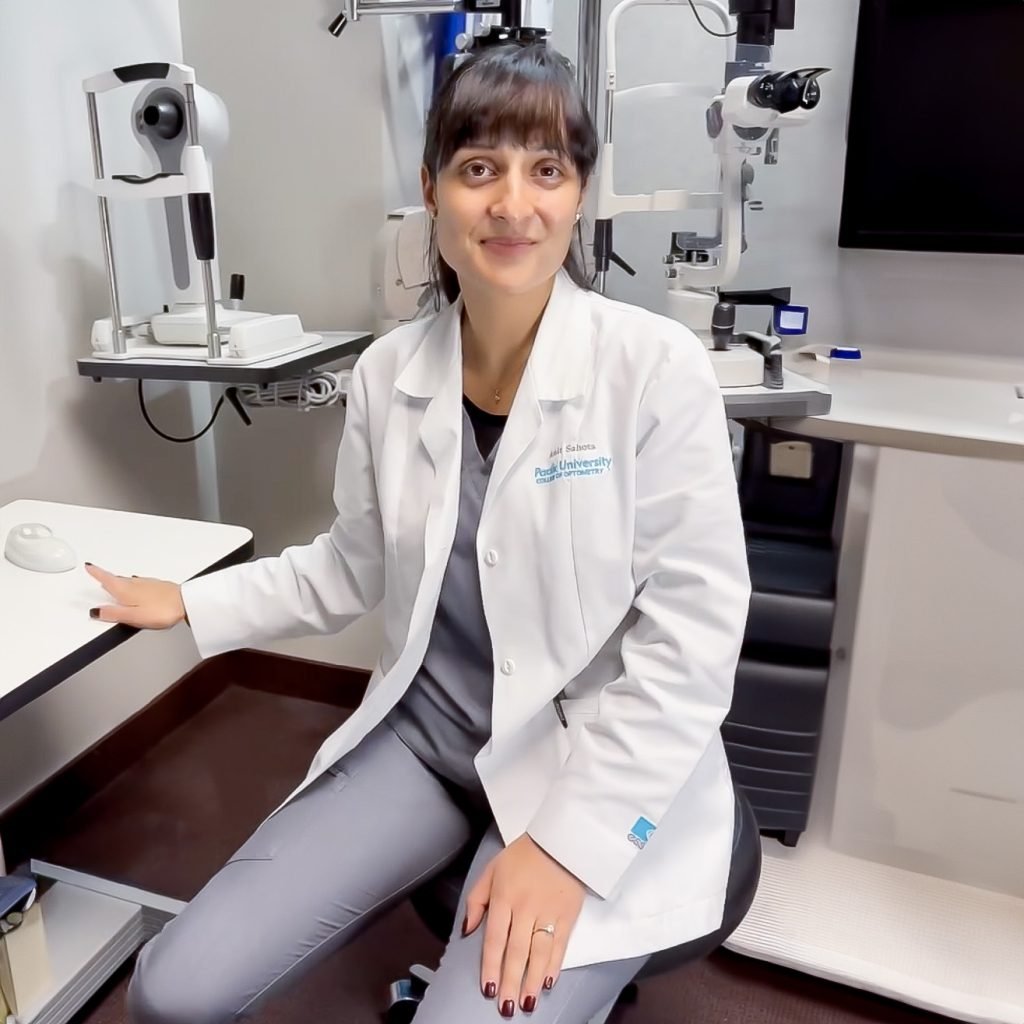
Medically Reviewed by Dr. Amit Sahota, Registered Optometrist (BSc, OD)
June 25, 2026
What is radio frequency for dry eyes?
Radio frequency is an in-office approach used in dry eye disease when symptoms are linked to how the oil glands in the eyelids are functioning. It works by delivering controlled heat to the eyelids, creating a warming effect that softens thickened oil within the meibomian glands so it can be released more easily from the eyelid margins. These glands play an important role in maintaining the tear film, as the oil they produce forms a protective layer that helps slow down how quickly tears evaporate.
When this oil layer is not functioning properly, tears may evaporate too quickly even if tear production is otherwise normal, a pattern commonly seen in evaporative dry eye. This is often linked to meibomian gland dysfunction, where the glands do not produce or release oil as expected. By applying controlled heat, this approach is intended to support how the oil layer spreads across the surface of the eye and contributes to tear film stability. Because tear stability depends on this oil layer, changes in gland function can influence how long tears remain on the eye, and the effect of this approach can vary depending on the underlying cause of dry eye and the condition of the glands
Why This Approach Is Used
In some cases of dry eye, adding more moisture does not address the underlying issue, especially when the oil layer of the tear film is not functioning properly. When this layer is unstable, tears can evaporate too quickly even if tear production is normal, leading to ongoing symptoms like irritation, watery eyes, or fluctuating vision. This is why some treatment approaches focus on the eyelid glands rather than only increasing tear volume, as the goal is to support how the tear film behaves and remains stable over time rather than simply replacing moisture.
What to Expect During Treatment
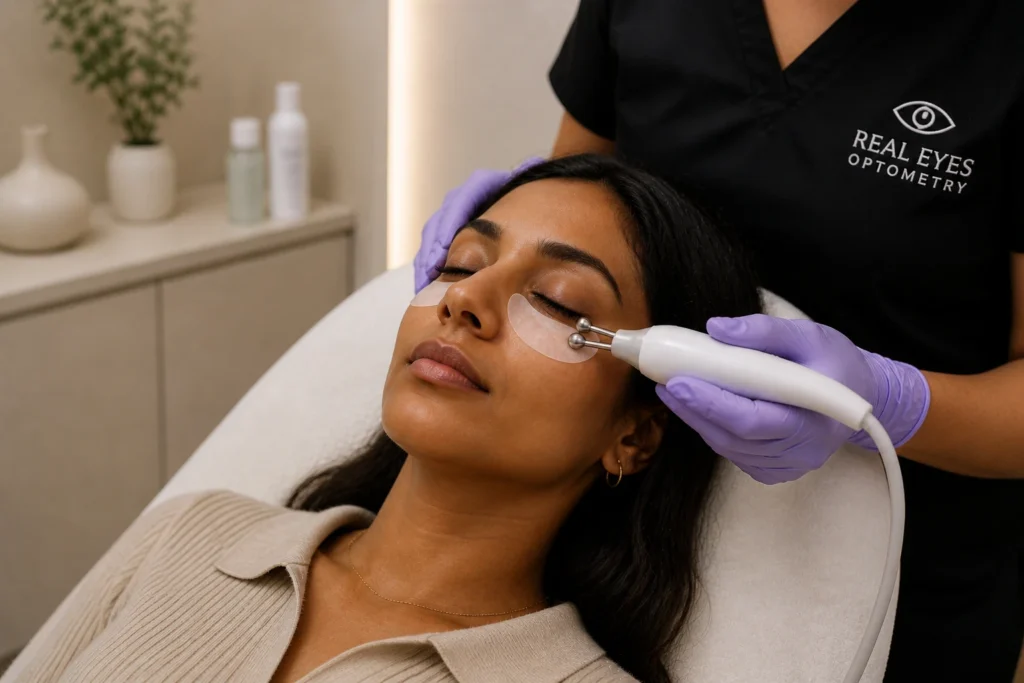
During a radio frequency session, a small handheld device is applied to the skin around the eyes to deliver gentle, controlled heat to the eyelids. Most people describe the sensation as warm rather than uncomfortable, and the treatment is typically performed in a clinic setting in under 60 minutes.
After the heating phase, gland expression may be performed to help clear the oil that has been softened during the process, supporting how the glands release oil along the eyelid margin. There is usually no downtime after the session, and normal daily activities can be resumed shortly afterward.
When This Type of Treatment Is Considered
This type of in-office treatment is generally considered when dry eye symptoms are linked to how the oil glands are functioning. It may be discussed when symptoms continue despite regular use of eye drops or when there are signs of evaporative dry eye.
Because dry eyes can have multiple contributing factors, identifying the underlying cause is an important step before choosing any specific treatment approach.
When to Consider a Dry Eye Assessment
If your symptoms keep coming back or don’t fully improve, it may be time to look deeper.
A dry eye assessment can help determine whether your oil glands are contributing to the problem and whether treatments like radiofrequency are appropriate for you.
Book Dry Eye ConsultationRadio Frequency vs. Other Dry Eye Treatments
There are several ways to treat dry eye, and each works differently.
- Eye drops add temporary moisture
- Warm compresses provide surface-level heat
- Radiofrequency delivers deeper, more consistent heat to improve gland function
Depending on your condition, different treatments may be recommended together.
Dry eye is not a single condition, and treatment is not one-size-fits-all. Some approaches focus on adding moisture, while others focus on improving how the tear film is structured. In cases where the oil glands are contributing to symptoms, treatments that target gland function may be considered alongside other options.
A full dry eye assessment is typically used to determine which combination of treatments is most appropriate.
Where does radio frequency treatment fit in?
Dry eye treatment usually follows a progression:
- Preservative Free Artificial tears
- Warm compresses
- Prescription treatments
- In-office therapies
Radiofrequency is typically used when:
- Meibomian gland dysfunction is present
- Basic treatments are no longer enough
- Symptoms keep returning despite regular care
It’s part of a broader strategy focused on treating the cause, not just managing symptoms.
How Radio Frequency Actually Helps
Radiofrequency works by targeting the source of the problem, not just the symptoms.
Unblocks oil glands
The heat helps melt and loosen thickened oils that clog the glands, allowing them to flow more freely again.
Improves gland function
When the glands start working properly, your tear film becomes more stable and symptoms improve.
Supports healthier eyelid tissue
Radiofrequency also increases circulation and supports the tissues around the eyes, which can help long-term gland performance.
The goal isn’t just short-term relief. It’s to improve how your eyes function day-to-day.
What Does it Feel Like?
Most people are surprised by how comfortable it is.
The treatment feels warm and relaxing, similar to a facial around the eyes. There’s no downtime, and you can return to your normal routine right after.

“TempSure Envi is a wonderful non-surgical treatment to help your skin rebuild collagen naturally, reducing the appearance of fine lines and wrinkles and tightening the skin. TempSure is effective and rebuilds collagen in the first 30 days. It is a treatment with no downtime and no pain. It feels like a hot stone massage. The treatment lasts anywhere between 30-45 minutes for the face. The TempSure envi machine only turns on when the skin is at the proper treatment temperature unlike other RF treatments.”
— Anju Mathur, MD
What Types of Radio Frequency Devices are used?
Not all RF treatments are the same. Different devices use similar technology but deliver heat in slightly different ways.
The most common systems used in eye care include:
- TempSure Envi (Cynosure)
- Forma / Forma-I (InMode)
- EndyMed
All of them aim to safely heat the eyelids to improve oil gland function, but how they control temperature and deliver energy can vary.
What is TempSure Envi?
TempSure Envi is a radiofrequency device developed by Cynosure.
It delivers gentle, controlled heat using a handheld applicator that moves over the skin around the eyes. One of its key features is built-in temperature control, which ensures the treatment reaches and maintains the exact level needed to soften blocked oils.
It’s known for:
- consistent, even heating
- high safety across all skin types
- a comfortable “warm massage” feel
Older version vs current technology
TempSure Envi evolved from earlier RF systems like Pellevé, which used similar bulk heating technology but with less precise temperature control.
The newer generation (TempSure Envi):
- maintains more consistent therapeutic heat
- improves safety through real-time monitoring
- allows more controlled and targeted treatment
What is Inmode Forma?
InMode Forma (or Forma-I for eyes) is another widely used RF system.
It uses radiofrequency energy to deliver uniform heat into deeper layers of tissue, while continuously monitoring skin temperature for safety.
In dry eye treatment, Forma:
- heats the eyelids to open clogged meibomian glands
- improves oil flow into the tear film
- reduces inflammation and supports healing
It also stimulates collagen and improves circulation around the eyes, which can help support long-term gland health.
TempSure Envi vs. Forma ( A Simple Breakdown)
Both devices do the same core job, heating the eyelids to improve gland function.
The difference is mostly in how they deliver that heat:
- TempSure Envi
- focuses on precise temperature targeting
- strong consistency in heat delivery
- Forma (InMode)
- focuses on uniform deep heating
- built-in sensors continuously monitor skin temperature
From a patient perspective, both feel similar and are designed to be safe, comfortable, and non-invasive.
Still dealing with dry eyes that don’t improve?
If you’re looking to explore treatment options in more detail, the next step is understanding how different approaches are used based on the cause of dry eye.
Learn more about radio frequency treatment optionsReal Eyes Optometry
Real Eyes Optometry is centrally located in Metrotown Mall. Our convenient location includes free, accessible parking and the ability for parents to complete errands without driving all over the city.
Consider being able to run to a grocery store, make a clothing return, and grab a quick bite, all while your child is having an eye exam. Of course, accompanying your kid during their eye exam is always a good idea. For details on how to find us, click here.

Dr. Sahota has a special interest in dry eye care and advanced in-clinic treatments, including radio frequency technology, and is known for providing thorough, personalized dry eye consultations in multiple languages.

Dr. Pati enjoys caring for patients of all ages, with a particular passion for family eye care and pediatric eye health, helping kids build strong visual habits early in life.

Dr. Wang is highly experienced in contact lens fitting, with a special focus on specialty lenses, and has helped many patients who thought they could never wear contacts comfortably.
Disclaimer: This information is for educational purposes and does not replace professional medical advice
FAQ about Radio frequency for Dry Eyes
Continue exploring dry eye care: dry eye symptoms, eye drops for dry eyes, contact lenses for dry eyes and radio frequency treatment.
What happens if MGD is left untreated long-term?
Glands can become permanently blocked or drop out, making dry eye harder to treat over time.
Is Radio Frequency treatment more about comfort or long-term eye health?
Both, it relieves symptoms and targets gland function, which is key for long-term tear stability.
Can Radio Frequency treatment be combined with other dry eye treatments?
Yes, it’s often part of a layered approach, alongside lubricants, lid hygiene, or other in-office therapies.
Will I still need maintenance treatments after my initial sessions?
Most patients benefit from yearly maintenance to keep glands functioning, especially with chronic MGD.
How is Radio Frequency Treatment different from at-home heated eye masks?
Radio Frequency treatment delivers controlled, sustained heat at a clinical level that at-home tools can’t maintain.
Can Radio Frequency treatment help if my dry eye gets worse on screens?
Yes, screen use reduces blinking, which worsens oil flow. Radio Frequency treatment can help restore gland function alongside habit changes.
What does “meibomian gland expression” mean after Radio Frequency treatment?
It’s the step where the doctor gently clears softened oils from the glands after heating, improving tear quality.
Why do some people not respond to warm compresses alone?
Warm compresses help, but they often don’t reach consistent therapeutic temperatures needed to fully unblock deeper glands.