Dry eye symptoms like burning, watering, and blurry vision are common in Burnaby. Here’s what causes them and how we treat them. Many patients assume it is just screen fatigue or seasonal irritation, when in reality it can affect vision, comfort, and even long-term eye health.
What makes dry eye confusing is that it does not always feel “dry.” It can show up as watery eyes, blurry vision, burning, or even a tired, heavy feeling by the end of the day. These symptoms tend to fluctuate depending on the environment, screen time, and underlying conditions.
At Real Eyes Optometry, dry eye is approached as more than just a surface issue. The goal is to understand what is causing your symptoms and create a treatment plan that actually improves how your eyes feel and function day to day.
Dry Eye Symptoms in Vancouver: What Your Eyes Are Trying to Tell You

At a Glance:
Dry eyes are common in Vancouver due to screen use and the environment.
Dry Eye Symptoms: dryness, burning, watering, blurry vision
- Can mimic allergies or eye strain
- Often worsens with screens, wind, and indoor heating
- Treatable with targeted eye care and professional guidance
- Early treatment helps prevent long-term irritation and vision issues
Who this page is for:
- Those interested in relief for dry eyes
- screen users
- contact lens wearers
- people who wear lash extensions
- swimmers with dry eyes
Dry Eye Symptoms in Vancouver
Dry eye is not caused by just one thing. It often develops from a combination of factors, including aging, hormonal changes like menopause, underlying conditions such as thyroid disorders, certain medications, and everyday environmental stress. Over time, these can affect how your tears are produced and maintained, leading to irritation and unstable vision.

Common Dry Eye Symptoms
- Burning, stinging, or scratchy sensation
- Watery eyes (often a response to irritation)
- Stringy mucus in or around the eyes
- Contact lens discomfort
- Sensitivity to light
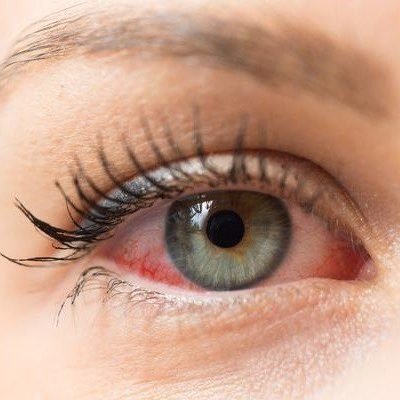
- Redness or irritation
- Feeling like something is stuck in your eye
- Difficulty with night driving or glare
- Blurred or fluctuating vision
- Eye fatigue, especially with screen use
What makes dry eye tricky is that it does not always feel “dry.” Symptoms can vary from person to person and usually affect both eyes.
Less Common Dry Eye Symptoms
Dry eye does not always present the same way. Some symptoms are subtle or confusing, which is why many people ignore them or assume something else is going on.
- Intermittent blurry vision that clears with blinking
- Eye fatigue or heaviness, especially late in the day
- Difficulty focusing after screen use
- Excess tearing (your eyes overcompensating)
- Mild headaches or eye strain
- Discomfort in wind, air conditioning, or heated environments
These symptoms often come and go, making dry eye harder to recognize early.
What Dry Eye Is Commonly Mistaken For
Dry eye is one of the most commonly misdiagnosed eye conditions because it overlaps with other issues.
- Pink Eye (Conjunctivitis)
Redness and irritation can look similar, but infections often come with discharge or spreading between eyes - Eye Allergies
Both cause redness and watering, but allergies are typically very itchy, while dry eye is more burning or gritty - Blepharitis (Eyelid Inflammation)
Flaking, irritation, and redness can overlap, especially when eyelid hygiene is involved - Contact Lens Irritation
Discomfort from lenses is often blamed on the lens itself, when dryness is the underlying issue - General Eye Strain
Many people assume screen fatigue is the cause, but dry eye often plays a role underneath
When to see an Optometrist?
If you’re experiencing a mix of these symptoms, it may be more than simple irritation. A proper assessment can help identify the underlying cause and guide treatment that actually improves how your eyes feel day to day.
Get assessed immediately if you notice:
- Sudden vision changes or persistent blur
- Eye pain, not just discomfort
- Redness that does not improve
- Light sensitivity that feels sharp or worsening
- Symptoms affecting daily tasks like driving
These can signal more than just dry eye and should be checked promptly.
Optometrist Recommended Products for Dry Eyes
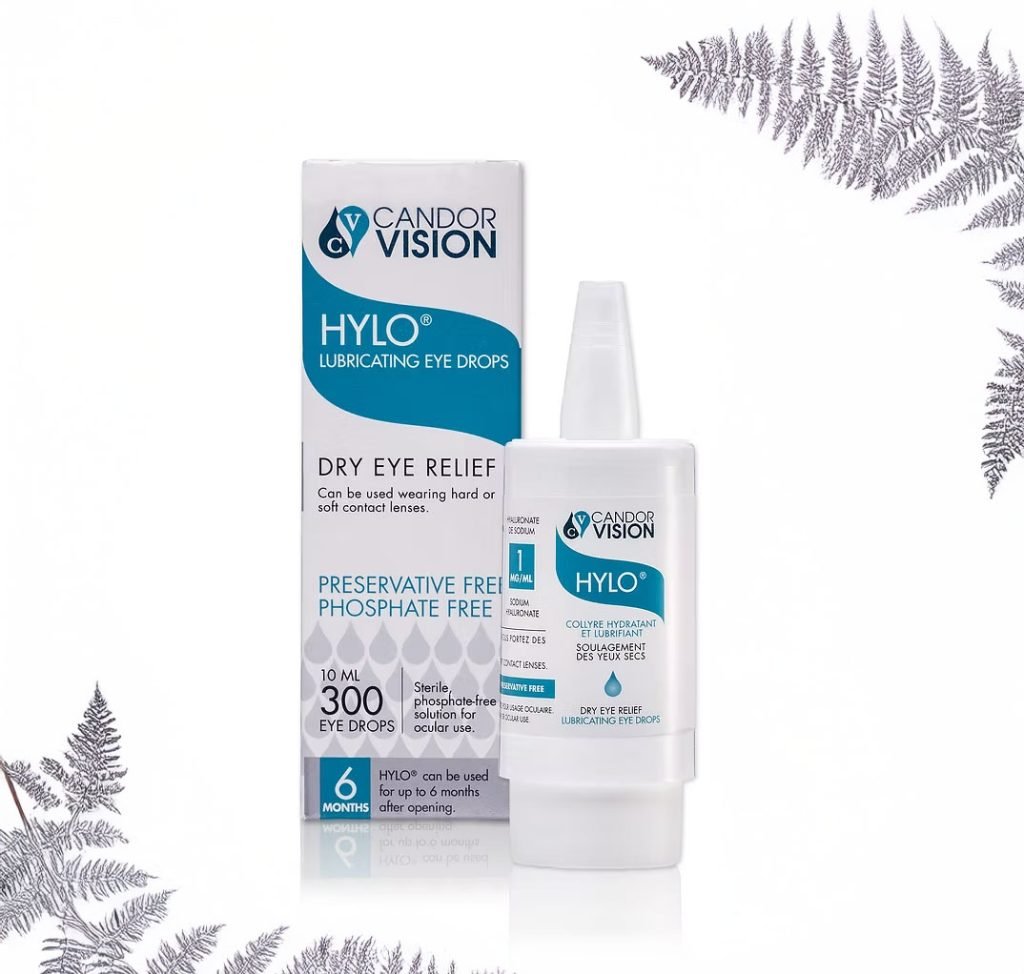
Relief starts here. HYLO® Dual targets both allergy symptoms and dry eye, so you can feel comfortable again, fast.
- Preservative-free
- Relieves allergy + dry eye
- Safe for frequent use
What is Dry Eye Syndrome? and what does it mean for you
Dry eye syndrome is more than just irritation, it can quietly affect how you see, focus, and get through your day.
You might notice a burning or stinging feeling, especially after long screen time, during flights, or in air-conditioned spaces where moisture gets pulled out of your eyes. These environments speed up tear evaporation, leaving your eyes feeling gritty, tired, or oddly watery at the same time.
For many people in Vancouver, this shows up as:
- Blurry or fluctuating vision during work
- Contact lenses becoming uncomfortable halfway through the day
- Heavy, fatigued eyes by evening
- Sensitivity to light or glare when driving
Over time, it stops being a “small annoyance” and starts interfering with how clearly and comfortably you see.
How to Get Rid of Dry Eyes at Home
Start simple, consistency matters more than intensity:
- Use preservative-free artificial tears regularly
- Follow the 20-20-20 rule during screen use
- Apply a warm compress to support oil gland function
- Reduce direct airflow from fans or vents
- close windows to reduce pollen exposure
- Stay hydrated, your tear film depends on it
These steps help stabilize your tear layer and reduce evaporation.
What an Optometrist Can Do for You
If symptoms keep coming back, this is where real change happens.
An optometrist can:
- Identify whether your tears evaporate too quickly or aren’t produced enough
- Prescribe medicated drops to reduce inflammation
- Recommend targeted treatments like eyelid therapy or in-clinic dry eye procedures
- Adjust contact lens options or wearing schedules
This is not one-size-fits-all care, treatment is tailored to your tear chemistry and lifestyle.

Medically Reviewed by Dr. Amit Sahota, Registered Optometrist (BScOD)
April 24, 2026
When to See an Eye Doctor & What to Expect
If you are constantly bothered by dry eye irritation, feeling like your eyes are tired, or unreliable, it’s time to book an eye exam with a dry eye doctor. A dry eye assessment usually takes about 30 minutes and looks deeper than a standard vision check. Your optometrist will evaluate:
- Tear film stability and quality
- Oil gland function in the eyelids
- Tear production levels
- Any surface damage to the eye
From there, you get a clear, personalized plan, not guesswork. The goal is simple, comfortable vision that lasts all day, not just temporary relief.
Radiofrequency Treatment for Dry Eye Relief
Did you know you can fix your dry eyes? Artificial tears can help in the moment, but they do not get to the root cause of dry eye. If your symptoms keep coming back, it is often due to blocked oil glands in the eyelids. This is where radiofrequency treatment steps in.
What is Radiofrequency Treatment
Radiofrequency (RF) is a non-invasive, heat-based treatment designed to improve tear quality and reduce dry eye symptoms by targeting meibomian gland dysfunction, one of the most common causes of dry eye.
Is Radiofrequency Right for You?
If you rely on eye drops daily, struggle with screen-related dryness, or feel like your eyes never fully recover, it may be time to look beyond short-term relief.
A dry eye consultation can confirm whether RF treatment is the right next step and build a plan tailored to your eyes, not just your symptoms.
How Radiofrequency Works
RF gently warms the eyelids to:
- Unblock clogged oil glands
- Improve the flow of natural tear oils
- Reduce tear evaporation
- Stimulate collagen production in the skin
This combination helps your tears last longer and keeps your eyes more comfortable throughout the day.
- Quick, usually under 60 minutes
- Comfortable with a warming sensation
- Safe for most skin types and tones
- no down-time
Why Choosing the Right Radiofrequency Provider Matters
Radiofrequency is safe when performed correctly, but technique matters. A trained optometrist or certified provider will:
- Protect the delicate eye area during treatment
- Use the correct temperature and settings
- Customize treatment based on your dry eye severity
Poor technique can lead to temporary effects like redness, swelling, or tingling. These are usually mild, but avoidable with proper care.
Dry Eye vs Allergies vs Infection: How to Tell the Difference
It’s easy to mix these up because they can all cause red, irritated eyes, but the type of symptoms matters.
Dry Eye Symptoms
- Worse with screens or dry environments
- Caused by poor tear quality or evaporation
- Burning, stinging, or gritty feeling
- Fluctuating or blurry vision
- Watery eyes (yes, paradoxically)
Eye Allergies
- Intense itching (key sign)
- Redness and swelling
- Watery or teary eyes
- Often affects both eyes at the same time
- Triggered by pollen, dust, or seasonal allergens
Eye Infection (e.g. conjunctivitis)
- Thick discharge (yellow/green)
- Eyes may be “stuck shut” in the morning
- Redness with possible pain or light sensitivity
- Can start in one eye and spread to the other
- Caused by bacteria or viruses
Quick rule of thumb
- Itchy → Allergies
- Burning / gritty → Dry eye
- Discharge / crusting → Infection
If symptoms are persistent, worsening, or affecting your vision, it’s best to get an eye exam to confirm the cause.
Real Eyes Optometry
Real Eyes Optometry is centrally located in Metrotown Mall. Our convenient location includes free, accessible parking and the ability for parents to complete errands without driving all over the city.
Consider being able to run to a grocery store, make a clothing return, and grab a quick bite, all while your child is having an eye exam. Of course, accompanying your kid during their eye exam is always a good idea. For details on how to find us, click here.

Dr. Sahota has a special interest in dry eye care and advanced in-clinic treatments, including radio frequency technology, and is known for providing thorough, personalized dry eye consultations in multiple languages.

Dr. Pati enjoys caring for patients of all ages, with a particular passion for family eye care and pediatric eye health, helping kids build strong visual habits early in life.

Dr. Wang is highly experienced in contact lens fitting, with a special focus on specialty lenses, and has helped many patients who thought they could never wear contacts comfortably.
Disclaimer: This information is for educational purposes and does not replace professional medical advice
FAQ about Dry Eyes
This is a common reflex. When your eyes are irritated, they overproduce low-quality tears that don’t properly lubricate the surface
Yes. Dry eye can cause fluctuating or blurry vision because the tear film is unstable, even if your prescription is perfect.
Why do my eyes feel fine in the morning but worse at night?
Yes. Excess tearing and inflammation can temporarily blur vision, but persistent blur should be checked.
Often, yes. Dryness reduces comfort and can make lenses feel irritating or gritty.
Hormonal changes can affect tear production and quality, making dry eye more common during menopause.
We blink less when using screens, which causes tears to evaporate faster and increases irritation.
Yes. Constant effort to focus through unstable vision can lead to fatigue and tension.
Yes. Intermittent symptoms are still a sign of underlying instability that can worsen over time if untreated.
If symptoms persist, worsen, or affect your vision, aTemporary irritation resolves quickly. Chronic dry eye persists or returns regularly and often needs targeted treatment
If symptoms are recurring, affecting vision, or not improving with basic drops, a proper assessment can identify the root cause and guide treatment.
Yes, fake lashes can make dry eyes worse, especially if you already have symptoms.
Why fake lashes can worsen dry eye:
- Block oil glands
Extensions sit close to the eyelid margin and can block meibomian glands, reducing the oil layer that keeps tears from evaporating - Increase irritation
Glue, fibers, and buildup can irritate the eye surface and worsen dryness - Trap debris and bacteria
Harder to clean properly, leading to inflammation or blepharitis - Change airflow
Long lashes can direct airflow toward the eye, increasing tear evaporation
- Screen time (reduced blinking)
- Air conditioning or wind
- Contact lenses
- Eye makeup and poor lid hygiene
- Hormonal changes, medications
Yes, being in a swimming pool can make dry eyes worse.
- Chlorine irritation
Chlorine and byproducts (chloramines) can irritate the eye surface, causing redness, dryness, and discomfort - Tear film disruption
Pool chemicals break down your natural tear layer, making eyes feel drier - Dry pool air
Indoor pools often have low humidity and airborne chlorine, which can worsen symptoms
Continue exploring dry eye care: the dry eye hub, eye drops, contact lenses for dry eyes and RF treatment.
Is it dry eye or allergies?
Dry eye symptoms tends to feel burning, stinging, or gritty, like something is in your eye. Vision may blur and clear with blinking.
Allergies are more likely to cause intense itching, along with redness and watery eyes.
Quick rule:
Itchy → Allergies
Burning or gritty → Dry eye
What are the most common dry eye symptoms?
Common symptoms include burning, stinging, gritty or tired eyes, watering, redness, light sensitivity, and vision that blurs or clears with blinking.
Why are my eyes watery if they are dry?
Dryness can destabilize the tear film and trigger reflex tearing. The extra water does not always contain the oil layer needed to keep the eye comfortable.
Can screen time cause dry eye?
Long screen sessions often reduce blinking, which can increase tear evaporation. Regular breaks and intentional blinking may help, but persistent symptoms should be assessed.
How does an optometrist diagnose dry eye?
An optometrist reviews your symptoms and environment, examines the tear film and eyelids, and looks for causes such as meibomian gland dysfunction or inflammation.
When should dry eye symptoms be checked urgently?
Seek prompt eye care for significant pain, marked redness, light sensitivity, sudden vision changes, discharge, or symptoms after an injury.
Can allergies and dry eye happen together?
Yes. Allergy-related itching and inflammation can occur alongside dry eye, so the treatment plan may need to address both.
Do eye drops treat the cause of dry eye?
Drops can relieve symptoms, but some patients also need lid care, environmental changes, or treatment for an underlying eyelid or tear-film problem.
Can dry eye affect contact lens comfort?
Yes. Tear-film instability and inflammation can make lenses feel dry or uncomfortable, so an optometrist may recommend a different lens, schedule, or dry-eye treatment.