Not every eye concern fits neatly into a routine eye exam. Sometimes there is a particular symptom, medical condition, job requirement, or change in vision that needs a closer look.
At Real Eyes Optometry in Burnaby, our special vision assessments help investigate specific concerns for children and adults. This may include a binocular vision test, lazy eye test, computer eye exam, diabetic eye exam, or other testing based on your symptoms and health history.
Not sure what kind of eye assessment you need? Tell us what’s happening when you book. You don’t need to figure out the test before you get here.
Special Vision Assessments: At a Glance
What are special vision assessments?
They are eye assessments used when there is a specific concern beyond simply checking whether your glasses prescription has changed.
Who might need one?
Children with suspected eye coordination or alignment problems, people experiencing unusual visual symptoms, patients with certain health conditions or medications, and people who need vision testing for work or licensing.
Do I need to know which test to book?
No. Tell us why you’re coming in, and our team can help determine the appropriate appointment.
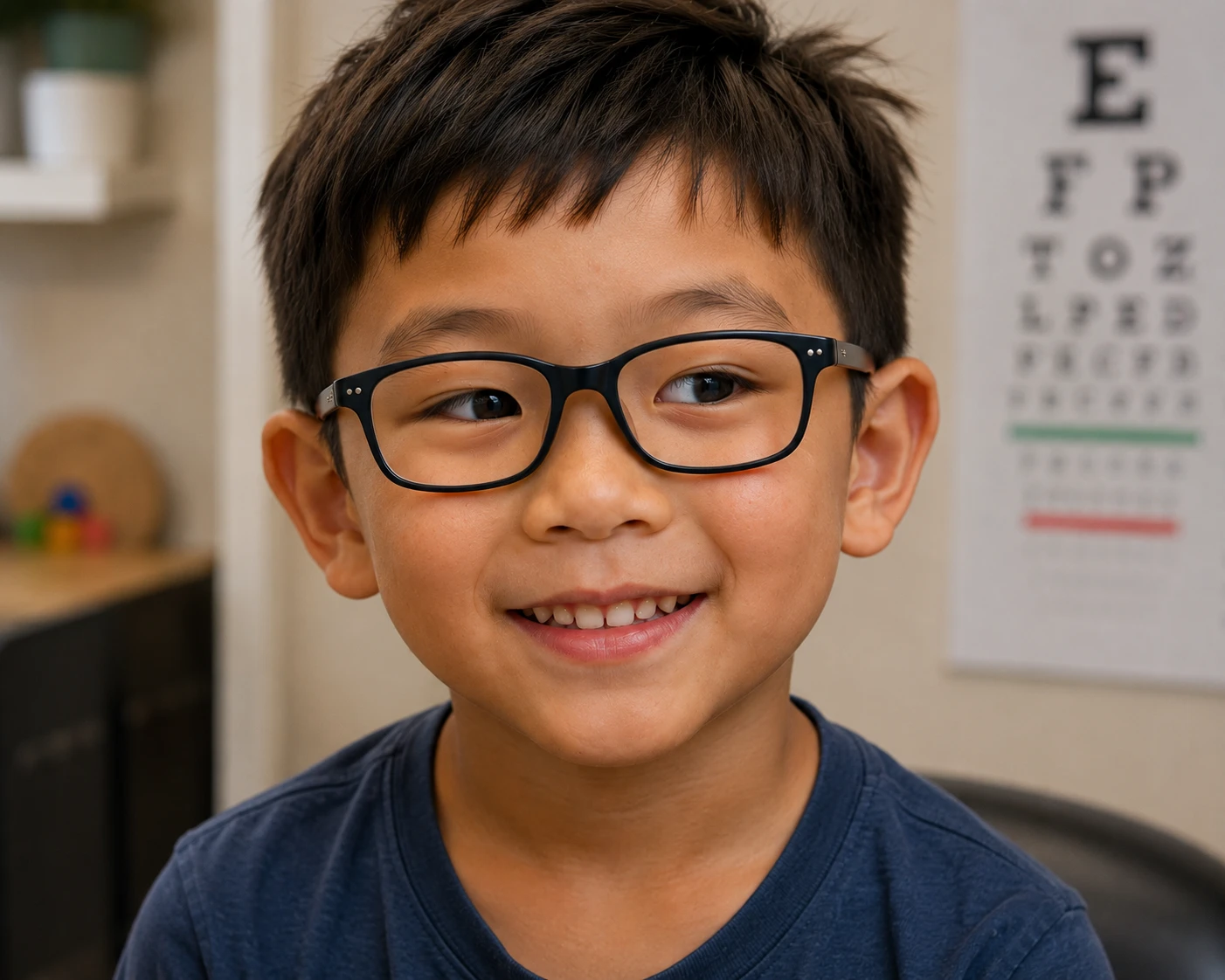
Binocular Vision Tests: When Two Eyes Aren’t Working as a Team
We have two eyes, but they’re supposed to give us one comfortable view of the world.
Binocular vision describes how the eyes work together. When that coordination isn’t working as expected, some people experience double vision, headaches, eye strain or difficulty maintaining comfortable vision during close work.
A binocular vision test can look at eye alignment, coordination and other aspects of how the eyes work together.
For children, the clues aren’t always obvious. A child might complain about reading, close one eye, avoid close work or simply say their eyes feel tired. Those behaviours don’t automatically mean there is a binocular vision problem, but they give us something worth investigating.
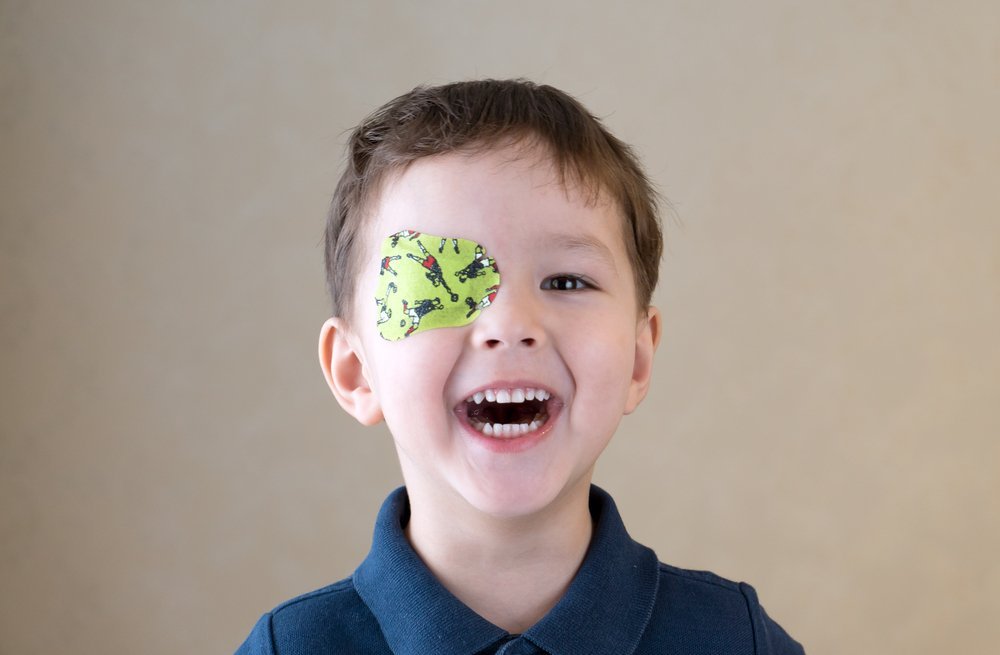
Lazy Eye Tests and Eye Turns in Children
“Lazy eye” is a term parents hear a lot, but it can get confusing because amblyopia and strabismus aren’t the same condition.
Strabismus occurs when the eyes aren’t properly aligned. One eye may turn inward, outward, upward or downward. The turn may be obvious all the time, or you might only notice it occasionally, such as when your child is tired.
Amblyopia occurs when vision doesn’t develop normally in one or, less commonly, both eyes during childhood. Strabismus can contribute to amblyopia, but so can a significant difference in prescription between the eyes and other conditions that interfere with normal visual development.
If you think your child has a lazy eye or you’ve noticed an eye turning, a lazy eye test and children’s eye assessment are better starting points than trying to diagnose the problem from what you see at home.

Vision Changes After a Concussion or Brain Injury
One frustrating thing about concussion-related vision problems is that the eyes may look perfectly normal.
After a concussion or traumatic brain injury, some people report double vision, difficulty focusing, light sensitivity, problems with eye movements or discomfort in visually busy environments. Reading and computer work may suddenly feel much harder than they did before the injury.
An eye assessment after a concussion can investigate eye health and visual function and help determine whether further assessment or referral is appropriate.
New, sudden or worsening neurological or visual symptoms after a head injury require appropriate medical attention and shouldn’t wait for a routine eye appointment.
Computer Eye Exams: When Screen Time Starts Winning
If your eyes feel fine in the morning but exhausted by 3 p.m., your computer may not be the whole story.
Long periods of computer and phone use can be associated with dry or irritated eyes, headaches, blurred vision, and difficulty shifting focus. Sometimes an outdated prescription, uncorrected vision problem, or dry eye is making all those hours in front of a screen even less comfortable.
A computer eye exam looks for the factors that may be contributing to your symptoms rather than assuming everyone who uses a computer needs the same solution.
Depending on what we find, the answer could involve your prescription, lenses, dry eye management, viewing habits or simply changing how your workstation is set up.
Occupational Eye Examinations
Sometimes you aren’t booking an eye exam because something feels wrong. You’re booking because someone handed you a form.
Certain occupations, professional programs, and licences have specific vision requirements. This can include policing, aviation, driving and other safety-sensitive roles.
If an employer, licensing organization or school requires vision testing, bring the complete paperwork to your appointment. Requirements can differ considerably, so seeing the actual form helps us determine what needs to be tested and documented.
If you’re unsure whether Real Eyes Optometry can complete your particular occupational assessment, contact us before booking.
Sports Vision Assessments
Seeing clearly is obviously important in sport, but an athlete’s visual demands can go beyond reading letters on an eye chart.
Depending on the activity, peripheral awareness, depth perception, visual clarity and quickly responding to moving objects may all matter. Your eyewear matters too.
A sports-focused eye assessment can consider your prescription and visual needs in the context of what you actually do. Sometimes the most useful change isn’t complicated at all. Better correction, contact lenses or properly fitted protective sports eyewear may make more sense than elaborate visual training.
Special Vision Assessments: Diabetic Eye Exams
Diabetes can affect the small blood vessels of the retina, and changes may develop before you notice anything different about your vision.
That’s why a diabetic eye exam isn’t simply about checking whether you need new glasses. Your optometrist examines the health of the eyes and looks for changes that may require monitoring, additional imaging or referral.
If you have diabetes, let us know when you book and bring an up-to-date list of your medications.
Medication-Related Eye Assessments
Sometimes it’s the medication rather than the medical condition that changes what we need to look for.
Certain medications have known ocular effects or specific screening recommendations. Hydroxychloroquine, also known by the brand name Plaquenil, is an important example because long-term use can require retinal monitoring.
If your doctor has asked you to have your eyes monitored because of a medication, tell us when you book and bring the medication name, dosage and any paperwork you’ve been given.
OCT Eye Test
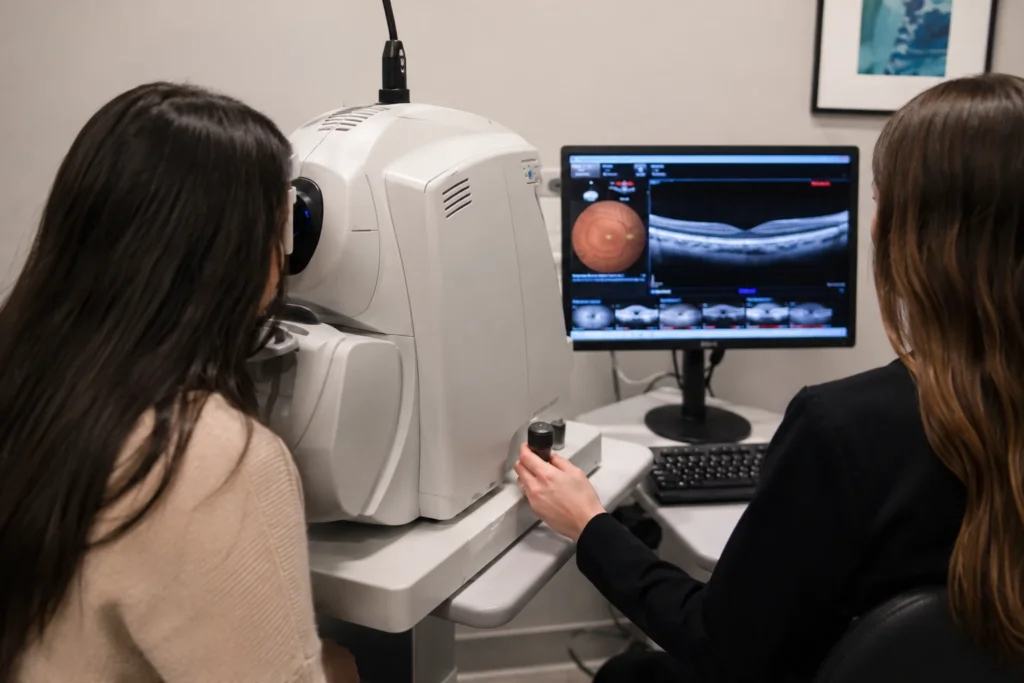
An OCT eye test creates detailed cross-sectional images of structures at the back of the eye. It allows your optometrist to examine layers of the retina and optic nerve that can’t be evaluated in the same way with a standard photograph.
OCT may be recommended when monitoring or investigating certain retinal conditions, glaucoma or changes involving the macula or optic nerve.

Dry Eye Assessment
Burning, gritty, watery or chronically irritated eyes aren’t always something you have to put up with. A dry eye assessment looks beyond the symptom itself to investigate what may be contributing to your dry eye.
At Real Eyes Optometry, this can include evaluating the tear film, eyelids and meibomian glands before discussing treatment options appropriate for your findings.
Contact Lens Assessment and Fitting
Contact lenses aren’t one-size-fits-all. Your prescription is only part of determining which lens may work for your eyes.
A contact lens assessment and fitting considers your prescription, corneal measurements, eye health, tear film and how a particular lens actually behaves on your eye. More specialized fittings may also be needed for patients with higher prescriptions, astigmatism, multifocal needs or other circumstances.
Myopia Assessment for Kids
If your child’s prescription keeps getting stronger, their appointment may involve more than simply updating their glasses.
Our optometrists can assess your child’s myopia, look at how it is progressing and discuss whether myopia management may be appropriate. Depending on the child, management options can include specialized contact lenses, glasses or other evidence-based approaches.
Ortho-K Assessment
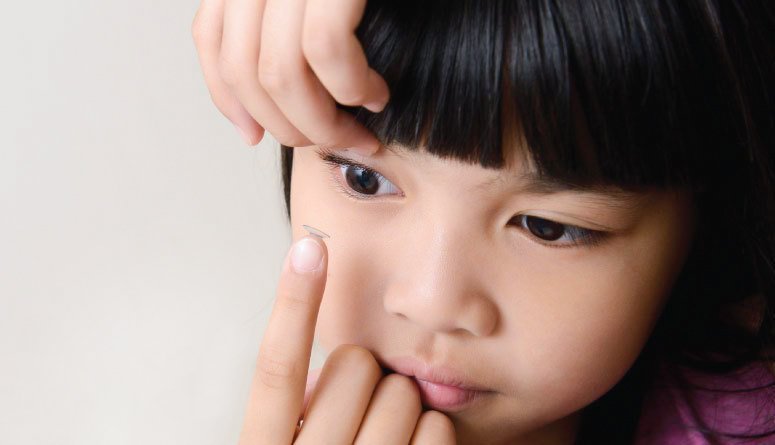
Ortho-K uses specially designed rigid contact lenses worn overnight to temporarily reshape the cornea so that some patients can see clearly during the day without glasses or daytime contact lenses.
Because the lenses are custom fitted to the eye, Ortho-K requires specialized measurements and follow-up, rather than a standard contact lens prescription alone.
Learn About Ortho-K →
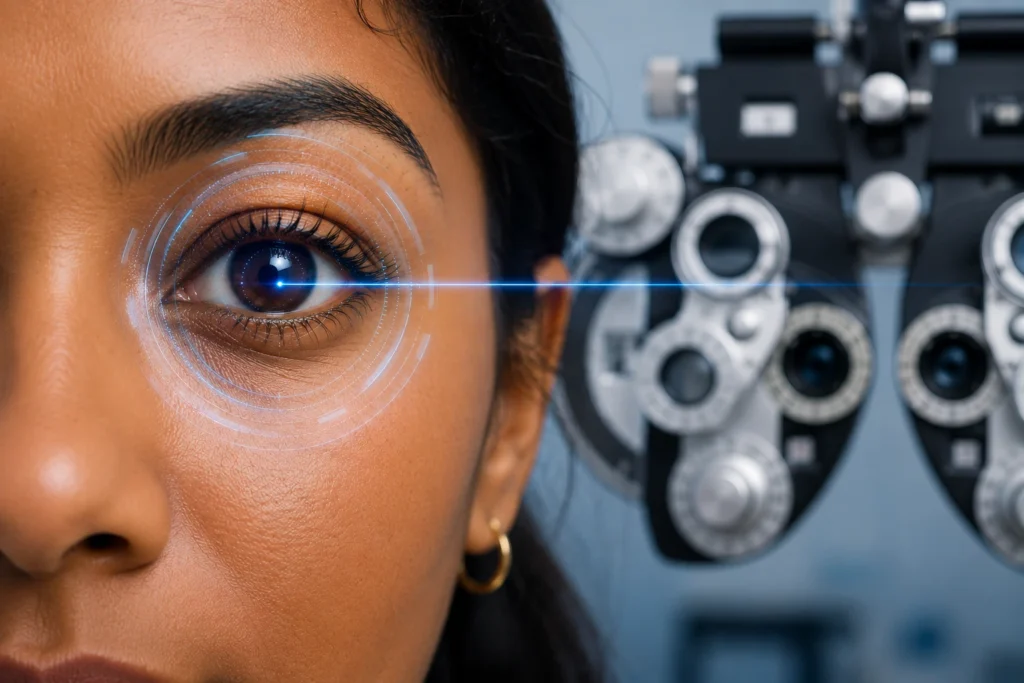
Laser Eye Surgery and Refractive Surgery Assessment
Thinking about LASIK or another type of refractive surgery? An eye assessment can help determine whether your prescription, corneal health and overall eye health make further surgical consultation appropriate.
Real Eyes Optometry can also provide pre-operative and post-operative optometric care when appropriate and coordinate with your surgical provider.
What About Vision Therapy Assessments?
Real Eyes Optometry does not currently provide vision therapy. However, if your child is experiencing headaches with reading, intermittent double vision, unusual visual complaints or difficulty comfortably sustaining close work, a children’s eye exam can help determine whether an identifiable vision problem may be contributing.
If further assessment or treatment is appropriate, your optometrist can discuss the next steps with you.
You Don’t Have to Know Which Test You Need
Patients aren’t expected to diagnose themselves before booking an appointment.
If you’ve noticed a new vision problem, recurring symptoms or something that simply doesn’t feel right, tell us what’s happening when you book. Your optometrist can determine which testing is appropriate based on your symptoms, history and examination findings.
Sometimes that means additional testing. Sometimes a comprehensive eye exam gives us the information we need.