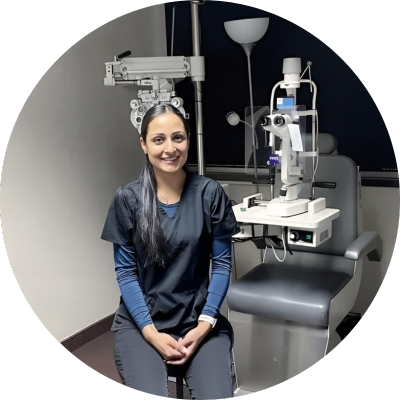
Finding the right pediatric optometrist isn’t just about booking an eye exam. You’re trusting someone to help your child feel comfortable, identify vision problems early, and support their eye health as they grow.
If you’re looking for a pediatric optometrist in Burnaby, there are a few things worth considering before scheduling an appointment. Every clinic is different, and the right fit depends on your child’s age, personality, and vision needs.
This guide explains what to look for, what to expect during a children’s eye exam, and the questions many parents ask before booking.
At a Glance
- Pediatric eye exams are different
Children’s eyes are still developing, so exams use age-appropriate tests to evaluate vision, eye coordination, focusing, and eye health. - Learn how to choose a pediatric optometrist
Discover the questions parents should ask when comparing clinics and what makes a child-friendly eye exam. - What to expect during the appointment
Find out how children’s eye exams are adapted for babies, toddlers, preschoolers, and school-aged children. - Helping nervous kids feel comfortable
Simple strategies and a welcoming environment can help make an eye exam a positive experience. - Know when your child should have an eye exam
Understand why regular comprehensive eye exams are important, even if your child seems to see well or passed a school vision screening.
Meet Dr. Shaun Pati
Learn about Dr. Pati’s approach to pediatric eye care and why families trust him to care for children of all ages.
Why Children’s Eye Exams Are Different
A pediatric eye exam isn’t simply an adult eye exam scaled down for smaller patients.
Young children can’t always describe what they’re seeing or recognize when something doesn’t look quite right. That’s why pediatric eye exams use age-appropriate testing methods that evaluate vision, eye coordination, focusing ability, depth perception, and overall eye health.
Many parts of the exam feel more like games than medical testing. Depending on your child’s age, they may identify pictures instead of letters, follow lights with their eyes, or complete activities designed to measure how their visual system is developing.
The goal isn’t simply to determine if glasses are needed. It’s to understand how your child’s eyes work together and whether their vision is supporting learning, reading, sports, and everyday activities.
What Happens During a Pediatric Eye Exam?
Every child is different, but most pediatric eye exams include:
- Vision testing appropriate for your child’s age
- Eye teaming and tracking assessment
- Depth perception testing
- Focusing ability
- Eye health examination
- Discussion with parents about findings and recommendations
If your child doesn’t know the alphabet yet, that’s completely okay. Pediatric eye exams use several different methods to evaluate vision without requiring children to read letters.
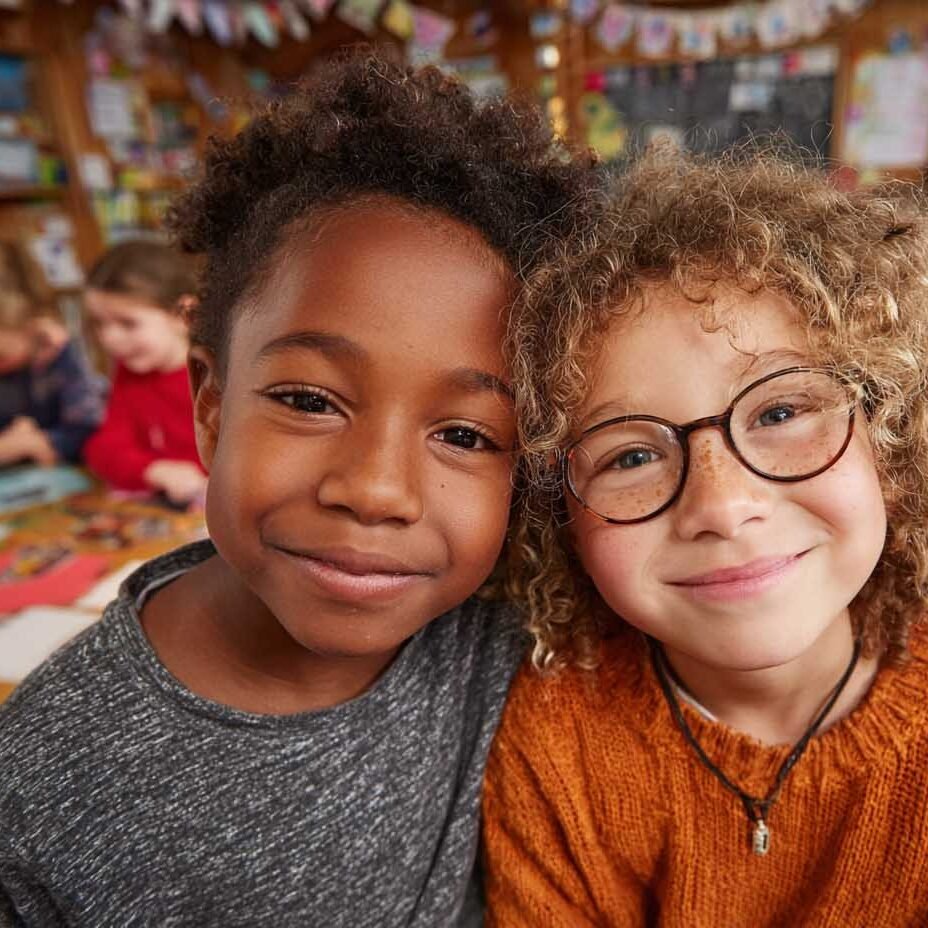
Questions to Ask When Choosing a Pediatric Optometrist
Every family has different priorities, but these are some questions worth asking before choosing a clinic.
Does the clinic regularly examine children?
Children benefit from an optometrist who is comfortable adapting exams for different ages, from babies and toddlers to teenagers.
How do you help children who feel nervous?
Some children are excited for their first eye exam. Others are shy or anxious around new environments.
Ask how the clinic helps children feel comfortable. Simple things like explaining equipment, allowing extra time, and moving at your child’s pace can make a big difference.
Will everything be explained to me?
Parents should leave understanding what was tested, what the results mean, and whether any follow-up is recommended.
Can my whole family come to the same clinic?
Many parents prefer one optometrist who can care for both children and adults. It simplifies scheduling and allows the optometrist to understand your family’s eye health over time.
Helping Children Feel Comfortable
For many children, the unknown is the hardest part of an eye exam.
Taking a few extra minutes to introduce equipment, answer questions, and move at a comfortable pace often helps children relax. Some kids like knowing what’s happening before each test, while others simply enjoy exploring the equipment.
Parents are encouraged to stay with their child throughout the appointment whenever appropriate. Familiar faces help children feel safe and confident.
Our goal is simple: we want children to leave smiling and feel comfortable returning for future eye exams.
When Should Children Have Their Eyes Examined?
Many vision problems develop without obvious symptoms.
A child may pass a school vision screening while still experiencing issues with focusing, eye coordination, or depth perception. That’s why comprehensive eye exams remain an important part of a child’s overall healthcare.
Regular eye exams help monitor healthy visual development as children grow and their visual demands change.

Why Many Families Stay With the Same Optometrist
Children grow quickly, and so do their eyes.
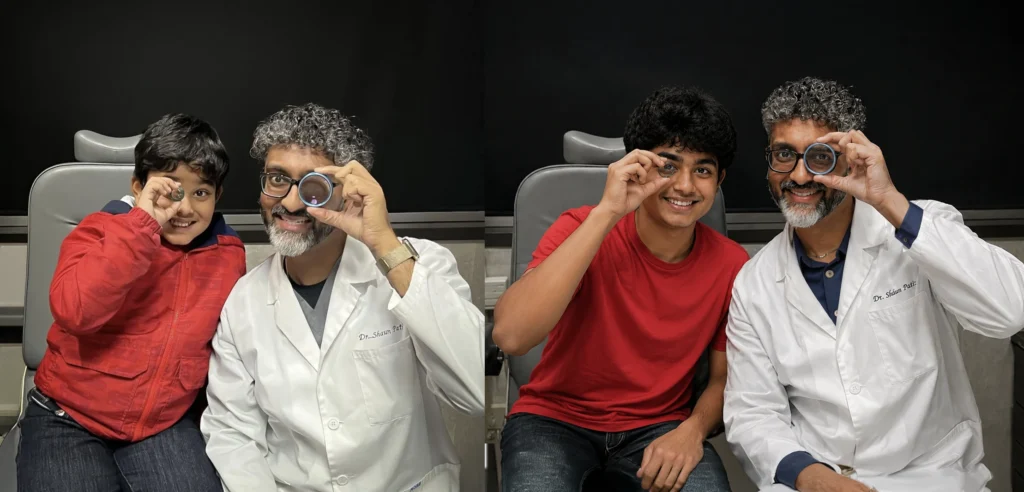
Seeing the same optometrist over time allows subtle changes in vision to be tracked from year to year. It also gives children the chance to build trust with someone they already know.
For parents, it means less repeating medical history and more continuity as their child’s needs change through preschool, elementary school, high school, and beyond.

Meet Dr. Shaun Pati
Dr. Shaun Pati enjoys caring for patients of all ages, with a special interest in children’s eye health.
His approach focuses on creating a relaxed, welcoming environment where children feel comfortable asking questions and parents leave with a clear understanding of their child’s vision and eye health.
Over the years, Dr. Pati has been included in ThreeBestRated’s annual list of pediatric optometrists in Burnaby. While recognition is appreciated, his focus remains the same: helping children build healthy vision habits that support learning, sports, and everyday life.

Continue Your Child’s Eye Care Journey
Every child is different, and so are their vision needs. Explore our pediatric eye care resources to learn what to expect at every stage of your child’s development.
Pediatric Eye Exams
Learn what happens during a children’s eye exam, when to book your child’s first visit, and how eye exams are adapted for babies, toddlers, school-aged children, and teens.
Going more in-depth
Not all children’s eye care experiences are the same. Explore the questions parents ask before booking, what to expect during an appointment, and how to find an optometrist who grows with your family.
Kids First Program
Learn how our Kids First Program helps create a comfortable experience for children, including those who are nervous, shy, or neurodivergent.
Frequently Asked Questions about how to find a Pediatric Optometrist
My child says they can see fine. Do they still need an eye exam?
Yes. Children often assume everyone sees the world the same way they do. Many vision problems develop gradually and aren’t obvious to children or parents.
What if my child is shy or nervous?
That’s completely normal. We adjust the pace of the exam, explain each step, and make the experience as relaxed as possible.
Can toddlers have an eye exam?
Yes. Pediatric eye exams can be adapted for babies, toddlers, preschoolers, and older children using age-appropriate testing methods.
Will my child need eye drops?
Not every appointment includes dilating eye drops. Your optometrist will explain if they’re recommended and why.
How long does a children’s eye exam take?
Most appointments take about 30 to 45 minutes, depending on your child’s age and any additional testing that may be needed.
My child passed their school vision screening. Is that enough?
School screenings can identify some vision problems, but they don’t replace a comprehensive eye exam. A full examination evaluates many aspects of visual development that screenings may not assess.
Can siblings book appointments together?
Yes. Many families choose to schedule siblings on the same day to make appointments more convenient.
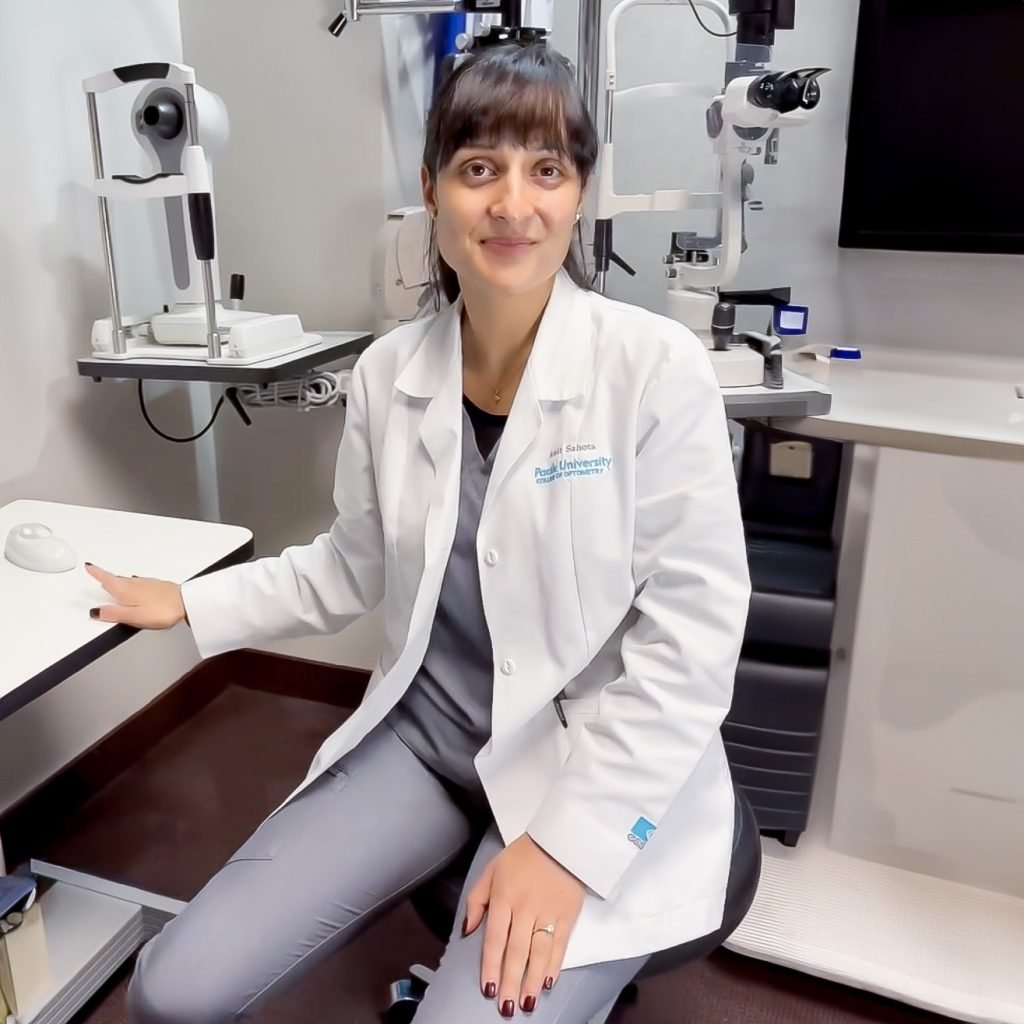
Reviewed by Dr. Amit Sahota, Registered Optometrist (BSc, OD)
Last updated: July 27, 2026