Senior Eye Exams in Burnaby: Understanding Vision Changes After 65
Getting older changes many things, including how your eyes work. The good news is that not every vision change is something you simply have to accept. While some age-related eye conditions become more common over time, many people can maintain healthy vision and independence by understanding their risks, developing healthy habits, and seeking care when changes occur.
The reality is that aging does not look the same for everyone. Men and women may experience different health concerns that affect vision. People from different cultural and ethnic backgrounds can also face varying risks for certain eye conditions including diabetes-related eye disease, and glaucoma. Your medical history, medications, lifestyle, and family history all play a role in how your eyes age.
Research has also become more inclusive than it was a generation ago. As we learn more about how age, sex, ethnicity, and overall health influence eye disease, eye care should reflect those differences too. There is no one-size-fits-all approach to healthy aging.
At Real Eyes Optometry, our senior eye exams are designed to look beyond your prescription. We want to understand how your vision affects your daily life and help you navigate the changes that come with aging. Whether you’re noticing more glare at night, struggling with reading, managing diabetes, concerned about cataracts, or simply looking for reassurance, our Burnaby optometrists are here to help you understand what is changing, why it is happening, and what options may help you maintain your independence, safety, and quality of life.
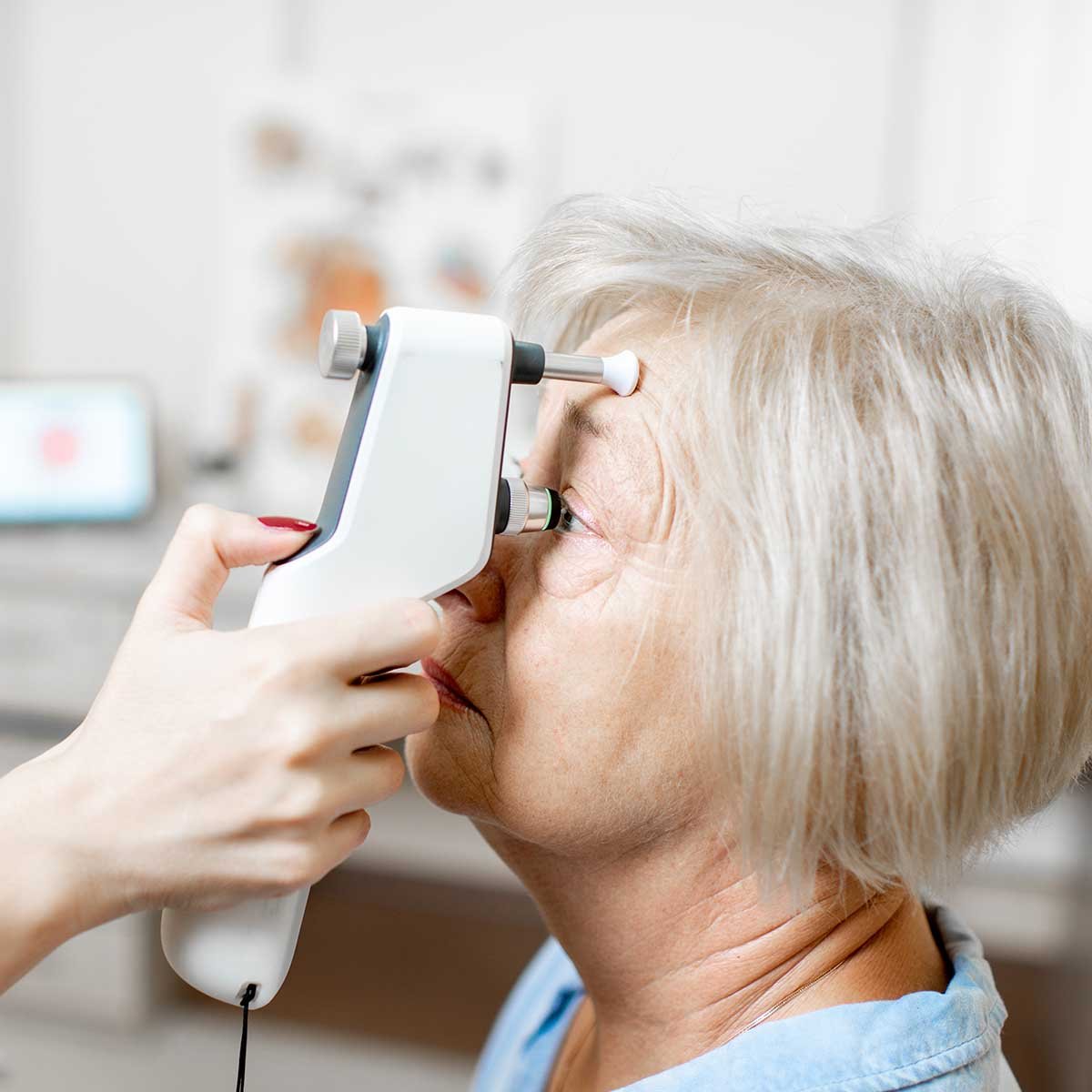
Senior Eye Exams at a Glance
✓ Annual eye exams recommended for adults 65+.
✓ MSP covers one routine eye exam every 12 months for eligible seniors. This helps cover part of the eye exam fee.
✓ Screening for cataracts, glaucoma, macular degeneration, diabetic eye disease, and retinal changes.
✓ Review of medications that may affect vision.
✓ Updated glasses prescription and reading vision assessment.
✓ Discussion about night driving, glare sensitivity, and fall prevention.
✓ Located inside Metropolis at Metrotown.
✓ Same-day and new patient appointments available.
How Your Eyes Change After 65
Many people assume that worsening vision is simply part of getting older.
While some vision changes are expected with age, others may be early signs of eye conditions that can affect your independence, safety, and quality of life. Adults over 65 are at a higher risk of developing cataracts, glaucoma, macular degeneration, diabetic eye disease, and other vision-related concerns. Regular eye exams help detect these changes early, often before noticeable symptoms appear.
Common Signs Your Vision May Be Changing
- You need brighter light to read
- Night driving feels more difficult
- Headlights create glare or halos
- Colours seem less vibrant than before
- Reading small print takes more effort
- You need to hold books or menus farther away
- Depth perception feels different on stairs or curbs
- Your eyes feel dry, tired, or uncomfortable more often
Not every change is cause for concern, but understanding what is happening can help you protect your vision and continue enjoying the activities you love.
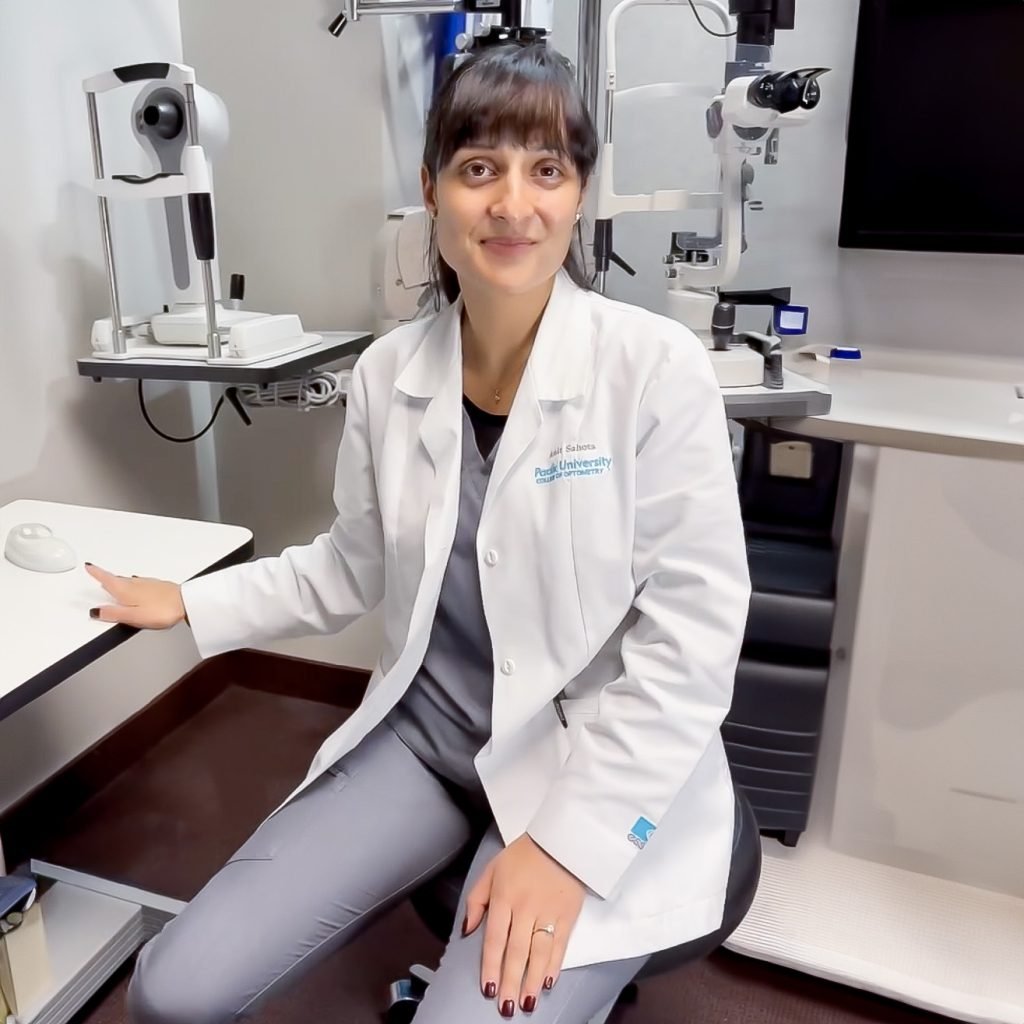
Medically Reviewed by Dr. Amit Sahota, Registered Optometrist (BSc, OD)
July 25, 2026
Changes in Vision: What’s Normal and What’s Not?
As we age, our eyes change just like the rest of our bodies. You may notice that reading small print becomes more difficult, your eyes take longer to adjust between bright and dark environments, or glare from headlights becomes more bothersome than it used to be.
Many of these changes are a normal part of aging. However, some symptoms may indicate an underlying eye condition that requires attention.
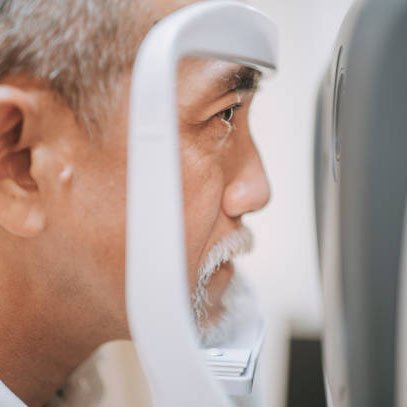
Common Age-Related Vision Changes
You may notice:
- Needing brighter light for reading
- Increased sensitivity to glare
- Difficulty seeing while driving at night
- Colours appear less vibrant
- Taking longer to focus when changing viewing distances
- Dry, watery, or irritated eyes
- More reliance on reading glasses
These changes are common after age 65 and can often be managed with regular eye care and updated prescriptions.
How Often Should Seniors Have an Eye Exam?
Most adults aged 65 and older should have a comprehensive eye exam at least once a year, even if they feel their vision is fine.
Many of the most common age-related eye conditions, including glaucoma, macular degeneration, diabetic retinopathy, and cataracts, can develop gradually and may not cause noticeable symptoms in their early stages. Regular eye exams help detect these changes before they begin affecting your vision.
Don’t Wait for Your Annual Exam If You Notice:
- Blurry or fluctuating vision
- Increased glare, halos, or difficulty with night driving
- Trouble reading, watching television, or recognizing faces
- Frequent changes in your glasses prescription
- New floaters, flashes of light, or visual disturbances
- Loss of side vision
- Persistent eye discomfort, redness, burning, or watering
- Double vision or changes in depth perception
If you’re living with diabetes, glaucoma, macular degeneration, a family history of eye disease, or other health concerns, your optometrist may recommend more frequent examinations.
When it comes to protecting your sight, early detection is one of the most important tools we have. Many eye diseases are easier to manage when identified early, before permanent vision loss occurs.
Many eye diseases develop gradually and may not cause symptoms until vision has already been affected.
When Is It Urgent?
Contact an optometrist immediately or seek urgent medical care if you experience:
- Sudden vision loss in one or both eyes
- A sudden increase in flashes of light
- A large number of new floaters
- A dark curtain or shadow in your vision
- Severe eye pain
- Sudden double vision
- Eye injury or trauma
- Significant redness accompanied by pain or vision changes
These symptoms can indicate serious eye conditions that require prompt assessment.
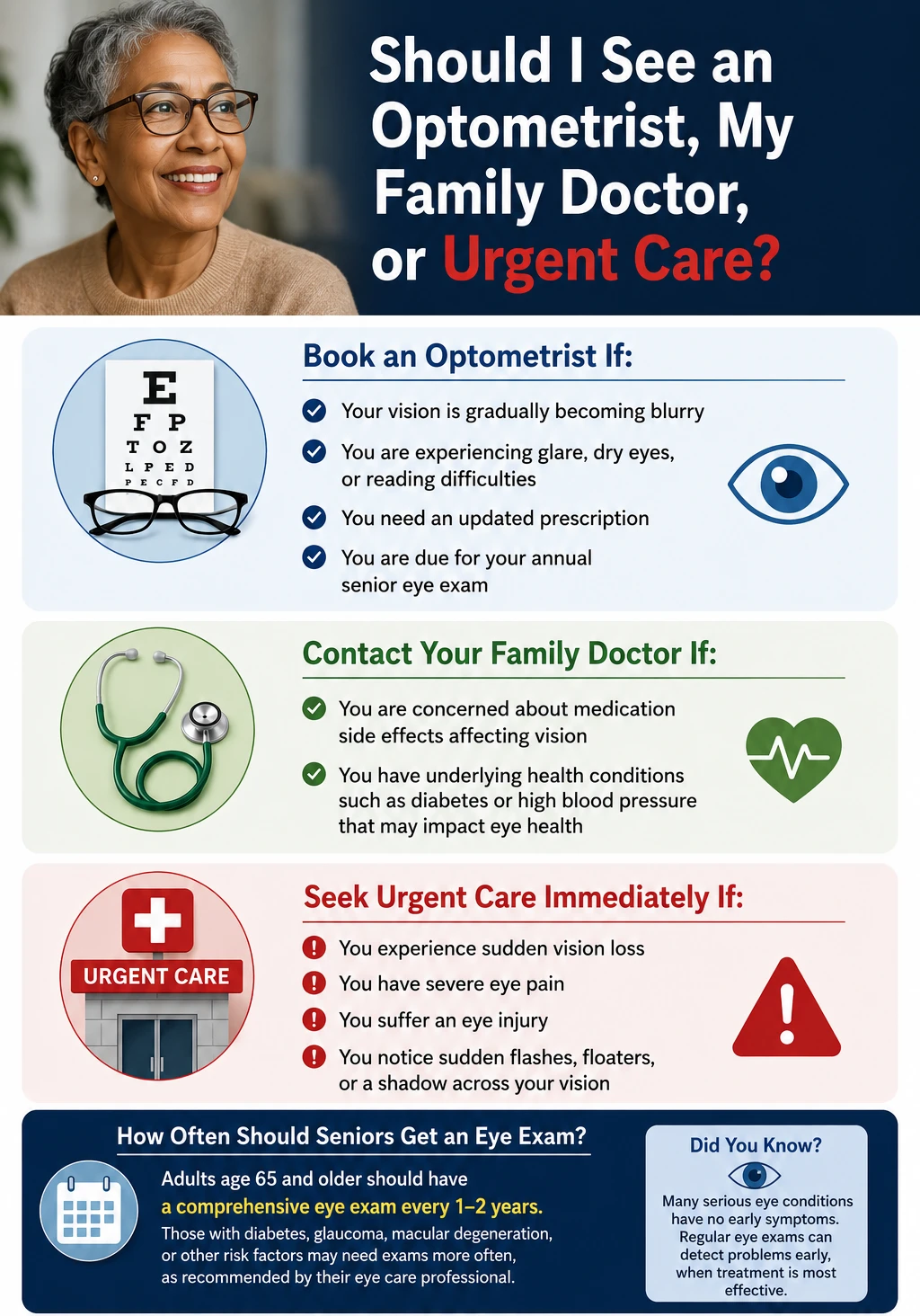
Should I See an Optometrist, My Family Doctor, or Urgent Care?
Book with an Optometrist If:
- Your vision is gradually becoming blurry
- You are experiencing glare, dry eyes, or reading difficulties
- You need an updated prescription
- You are due for your annual senior eye exam
Contact Your Family Doctor If:
- You are concerned about medication side effects affecting vision
- You have underlying health conditions such as diabetes or high blood pressure that may impact eye health
Seek Urgent Care Immediately If:
- You experience sudden vision loss
- You have severe eye pain
- You suffer an eye injury
- You notice sudden flashes, floaters, or a shadow across your vision
When in doubt, call our office. We can help determine the most appropriate next step and whether your symptoms require urgent attention.
Family First, Friendly Care and Senior Eye Exams
“Exceptional experience with Dr. Pati and his helpful/friendly staff. The contact lenses suggested to me (Dailies Total 1) are incredibly comfortable. My father picked up a pair of sunglasses from their selection at a great price. The team at Real Eyes were able to fit my mother in with an appointment and help her find a pair of designer frames within a week. Overall: Great place to bring the family, excellent service, and knowledgeable staff.”
— Jeff Zheng

Common Eye Conditions We Screen For After 65
As we age, our risk for certain eye diseases increases. However, aging does not affect everyone the same way. Factors such as sex, ethnicity, family history, diabetes, blood pressure, medications, lifestyle, and access to health care can all influence eye health.
Recent research has highlighted important differences in how eye disease develops across populations. Some studies have found differences in glaucoma risk among people of African, Caribbean, Asian, and other ethnic backgrounds. Researchers are also learning more about how diabetes, cardiovascular disease, menopause, and genetic factors influence vision as we age.
This is one reason why we do not take a one-size-fits-all approach to senior eye care. Every patient receives recommendations based on their unique health history, risk factors, symptoms, and examination findings.
Cataracts
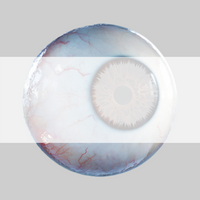
Cataracts occur when the natural lens inside the eye gradually becomes cloudy. Many patients first notice increased glare from headlights, faded colours, difficulty driving at night, or the feeling that their glasses prescription is constantly changing.
Cataracts are extremely common as we age and are one of the leading causes of vision loss worldwide. Fortunately, they are also one of the most treatable causes of reduced vision.
Glaucoma
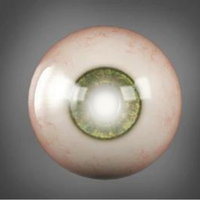
Glaucoma is often called the “silent thief of sight” because vision loss can occur before symptoms become noticeable. During your senior eye exam, we evaluate eye pressure, optic nerve health, retinal imaging, and visual field testing when appropriate.
Research has shown that some populations, including people of African and Caribbean ancestry, may have a higher risk of glaucoma and may develop it earlier in life. Certain Asian populations may also have increased risk for specific forms of glaucoma related to eye anatomy.
Macular Degeneration
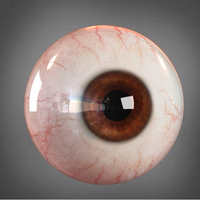
Age-related macular degeneration (AMD) affects the central part of the retina responsible for reading, driving, recognizing faces, and seeing fine details.
Early stages often develop without symptoms, which is why annual senior eye exams are so important. Detecting changes early may help preserve vision and quality of life.
Diabetic Retinopathy
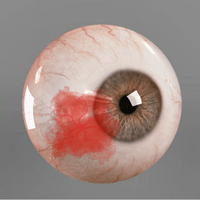
Diabetic retinopathy occurs when elevated blood sugar damages the blood vessels inside the retina. It is one of the leading causes of preventable vision loss.
Many patients have no symptoms until the condition becomes advanced. If you have diabetes, regular retinal imaging and eye examinations are among the most important steps you can take to protect your vision.
Dry Eye Disease
Dry eye disease becomes increasingly common with age and can cause burning, irritation, fluctuating vision, excessive tearing, redness, and discomfort.
Women often experience increased dry eye symptoms during perimenopause and post menopause due to hormonal changes. Certain medications, autoimmune conditions, screen use, and environmental factors can also contribute to symptoms.
More info on dry eyes.
Why Personalized Eye Care Matters
Not every senior faces the same risks. Two patients of the same age may have completely different eye health needs based on their medical history, ancestry, lifestyle, and family history.
Our goal is not simply to check your prescription. We want to understand your overall health, identify risks that may apply specifically to you, and create a plan that helps you maintain healthy vision and independence as you age.
Why Seniors Choose Real Eyes Optometry
Choosing an eye doctor isn’t just about finding the closest clinic. For many seniors, convenience, accessibility, communication, and trust matter just as much as the exam itself.
Located inside Metropolis at Metrotown
Our clinic is located on the 4th Floor (Office Galleria Level) inside Metropolis at Metrotown. Free mall parking is available, making it easy for seniors and family members to visit without worrying about downtown parking fees or street parking.
If you’re visiting us for the first time and have trouble finding the clinic, simply give us a call and our team can help guide you from the mall entrance.
Mobility-Friendly and Wheelchair Accessible
We are located immediately beside the Grand Court elevator, making access easier for patients who use wheelchairs, walkers, canes, or mobility aids.
Unlike some clinics that require navigating stairs, outdoor walkways, or multiple buildings, patients can access our office entirely by elevator.
We Help With MSP and Insurance Paperwork
Eye care benefits can be confusing.
Our team regularly assists seniors with MSP-covered eye exams, extended health insurance claims, and direct billing whenever available. We help explain your coverage and handle much of the administrative work for you.
Same-Day Appointments When Available
We understand that eye concerns don’t always happen on a schedule.
When availability permits, we offer same-day appointments for patients experiencing changes in vision, eye discomfort, broken glasses, or concerns that shouldn’t wait for a routine appointment.
Multiple Languages Spoken
Many of our patients speak languages other than English or prefer discussing their health in their first language.
Depending on staff availability, our team may be able to assist patients in English, Mandarin, Cantonese, Punjabi, Hindi, and Spanish. We also welcome family members, caregivers, and translators to attend appointments.
Family Members Are Welcome
Many seniors attend appointments with a spouse, adult child, caregiver, or friend.
We encourage family involvement, especially when discussing eye conditions, treatment plans, surgery referrals, medications, or vision changes that may affect daily activities such as driving, reading, or mobility.
Serving Burnaby Families for More Than 30 Years
Real Eyes Optometry has been caring for patients in Burnaby for more than three decades. Many of our patients first visited us as young adults and continue to trust us with their eye care through retirement and beyond.
Focused on Long-Term Relationships
For many seniors, eye care becomes more important with each passing year.
Our goal is not simply to update a prescription. We want to help you understand your eye health, identify problems early, and maintain the independence, safety, and quality of life that good vision supports.
FAQ about Senior Eye Exams
Why do my glasses seem to stop working every couple of years?
Aging affects more than just your prescription. Cataracts, dry eye disease, changes in the retina, medications, and overall health can all impact how clearly you see, even if your glasses were recently updated.
Is it normal to avoid driving at night as I get older?
Many seniors notice increased glare, halos around headlights, reduced contrast sensitivity, and slower adaptation to darkness. While these changes can be common, they should still be evaluated to determine whether cataracts or another eye condition may be contributing.
Can an eye exam help explain why I’m having trouble reading medication labels or my phone?
Yes. Difficulty reading small print may be related to presbyopia, cataracts, dry eyes, lighting conditions, or changes in retinal health. An eye exam can help identify the cause and recommend solutions.
Could my medications be affecting my vision?
Many common medications used by seniors can contribute to dry eyes, blurry vision, light sensitivity, or changes in focusing ability. Be sure to bring an updated medication list to your appointment.
Why do my eyes water more now than when I was younger?
Ironically, excessive tearing is often a symptom of dry eye disease. When the surface of the eye becomes irritated, your eyes may produce extra tears in response.
Should I have my eyes checked if I’ve recently had a fall?
Yes. Vision changes can affect balance, depth perception, contrast sensitivity, and mobility. An eye exam may help identify factors that could increase fall risk.
Can a senior eye exam detect health problems outside of my eyes?
Sometimes. Changes inside the eye may provide clues about conditions such as diabetes, high blood pressure, cardiovascular disease, stroke risk, and other systemic health concerns.
My vision seems fine. Do I still need an annual senior eye exam?
Absolutely. Some of the most common age-related eye diseases, including glaucoma and early macular degeneration, can develop without noticeable symptoms. Regular eye exams help detect problems before vision loss occurs.
Is there a test I can take online to see if I can still safely drive?
Yes, but with an important caveat: no online test can tell you with certainty whether you’re safe to drive. Driving depends on vision, reaction time, attention, judgment, physical mobility, and real-world performance. Online self-assessments can be useful screening tools to identify areas of concern.
For seniors, you should look at three areas:
Vision Difficulty with glare?
Trouble reading street signs?
Missing pedestrians or cyclists?
Avoiding night driving?
Cognition Getting lost on familiar routes?
Missing turns?
Difficulty judging gaps in traffic?
Family members expressing concern?
Physical Ability Difficulty checking blind spots?
Slower reaction times?
Trouble moving between pedals?
If you’re in BC and have concerns, the most meaningful assessment is:
A comprehensive eye exam
Discussion with your doctor
If needed, an ICBC or RoadSafetyBC driving assessment, such as an Enhanced Road Assessment.
What’s the Difference Between a Regular Eye Exam and a Senior Eye Exam?
A senior eye exam includes everything found in a comprehensive adult eye exam, but with additional focus on the vision and health concerns that become more common after age 65. While we still check your prescription, eye coordination, and overall eye health, senior eye exams place greater emphasis on detecting and monitoring age-related conditions such as cataracts, glaucoma, macular degeneration, diabetic eye disease, and dry eye syndrome.
We also review medications, medical conditions, fall risk, driving concerns, changes in reading ability, glare sensitivity, and other factors that can affect your independence and quality of life as you age.
In short, a regular eye exam asks, “How well are you seeing?” A senior eye exam asks, “How is your vision affecting your health, safety, and daily life, and what can we do to help you maintain your independence?”