Eye exams in Vancouver can vary in price depending on the type of appointment, what’s included, and whether additional testing is recommended. Understanding these differences makes it easier to compare clinics and choose the appointment that’s right for your needs.
This guide explains typical eye exam costs in Vancouver, what is usually included in a comprehensive eye exam, factors that affect pricing, and the questions worth asking before you book. If you’re looking for information about MSP eligibility or direct billing, we’ve linked to our dedicated insurance guide throughout this article.

At a Glance
How Much Does an Eye Exams Cost in Vancouver? A Patient Guide
Eye exam cost in Vancouver varies based on the type of exam, what’s included, and your insurance or MSP eligibility. This guide explains typical pricing, what affects the cost, what a comprehensive eye exam includes, and the questions to ask before booking so you can compare clinics with confidence.
Quick Answers
- Eye exams in Vancouver typically range from $75 to $250+, depending on the type of exam and additional testing.
- Comprehensive eye exams include much more than a vision prescription.
- Additional testing such as retinal imaging or contact lens evaluations may have separate fees.
- MSP coverage depends on your age and medical circumstances. For insurance details, see our Optometry Insurance Coverage & Direct Billing page.
- Asking what’s included before you book can help you compare clinics fairly.
What Does an Eye Exam Cost in Vancouver?
The cost of an eye exam in Vancouver can vary depending on the type of appointment, the clinic, and what is included in the examination. A comprehensive eye exam generally ranges from $75 to more than $250, while specialty appointments or additional testing may increase the overall cost. There is no single standard fee across British Columbia.
Rather than comparing clinics by price alone, it’s helpful to understand what your appointment includes. Some eye exams include additional testing, while others charge separately for services such as retinal imaging, contact lens evaluations, or dry eye assessments.
*Fees vary between clinics and depend on the services provided.
Why Do Eye Exam Prices Vary?
Before booking, ask what is included in the quoted fee. Comparing appointments based on what’s actually provided often gives a better picture than comparing prices alone.
Not every eye exam is the same. Two appointments with different prices may include very different services, equipment, and levels of assessment.
Some factors that can affect the cost include:
- The type of eye exam you’re booking
- Whether retinal imaging or additional diagnostic testing is included
- Contact lens fitting or evaluation
- Dry eye assessments
- Follow-up appointments or specialty testing
- The technology available at the clinic
For example, someone coming in for a routine vision check may require a different examination than someone experiencing flashes, floaters, dry eyes, diabetes, or blurred vision.
What’s Included in a Comprehensive Eye Exam?
A comprehensive eye exam evaluates much more than whether you need glasses. Your optometrist is assessing how well your eyes work together and checking for signs of eye disease that may not cause noticeable symptoms early on.
Depending on your age, medical history, and symptoms, your appointment may include:
- Medical and vision history
- Visual acuity testing
- Prescription assessment (refraction)
- Eye muscle and binocular vision testing
- Eye pressure measurement
- Slit lamp examination
- Retinal evaluation
- Discussion of your results and recommendations
Some clinics may also recommend additional testing, such as retinal imaging, depending on your individual needs.
At the end of your appointment, your optometrist should explain your findings, answer your questions, and discuss any recommended follow-up care.
Questions to Ask Before Booking an Eye Exam
If you’re comparing eye clinics, looking beyond the advertised price can help you make a more informed decision. Two appointments with similar fees may include different tests, technologies, or follow-up care. Asking a few questions before you book can help you understand what’s included and avoid unexpected costs.
Here are some helpful questions to ask:
What is included in the quoted eye exam fee?
Ask whether the price covers a comprehensive eye exam or only the basic examination. Some clinics include additional testing, while others charge separately.
Are retinal imaging or other diagnostic tests included?
Retinal imaging, visual field testing, and other diagnostic procedures may be recommended based on your age, symptoms, or medical history. Find out if these tests are included in the quoted fee or billed separately.
Is a contact lens evaluation included?
If you wear contact lenses or are interested in trying them for the first time, ask whether a contact lens fitting or evaluation is included. Many clinics schedule this as a separate service.
Will my pupils need to be dilated?
Pupil dilation allows your optometrist to examine the back of your eye more thoroughly. If dilation may be part of your appointment, ask how it could temporarily affect your vision and whether you should arrange transportation afterward.
How long should I expect the appointment to take?
Most comprehensive eye exams take between 30 and 60 minutes, but appointments involving additional testing or contact lens assessments may take longer.
If additional testing is recommended, what are the costs?
Some findings during your examination may require further testing. Asking about potential fees ahead of time can help you understand what to expect if additional assessments are recommended.
Will I receive my prescription before I leave?
If your examination includes a prescription assessment, ask whether you’ll receive a copy of your glasses or contact lens prescription at the end of your appointment and whether your optometrist will review the results with you.
Are follow-up visits included if they’re needed?
Some treatment plans or specialty services may require follow-up appointments. It’s helpful to understand whether these visits are included in the original fee or billed separately.
Taking a few minutes to ask these questions can make it easier to compare clinics fairly. Rather than focusing only on the advertised price, you’ll have a better understanding of what’s included, how your appointment will be conducted, and whether there could be additional costs based on your individual eye care needs.
How to Compare Eye Clinics
Choosing an eye clinic isn’t just about finding the lowest advertised price.
When comparing clinics, consider:
- What tests are included in the examination
- Appointment length
- Technology used
- Experience with your specific needs (children, contact lenses, dry eyes, diabetes, etc.)
- Accessibility and location
- Clear communication about fees before your visit
A slightly higher fee may include additional testing or more time with your optometrist, while a lower fee may involve optional services billed separately.
The goal is to choose the clinic that provides the care and information you need, not simply the lowest advertised price.
Income or Disability Assistance
People receiving income assistance, disability assistance, or hardship assistance in British Columbia may be eligible for optical benefits, including routine eye exams. When you arrive for your appointment, let the clinic know that you receive assistance and present your BC Services Card. Your eligibility and available coverage can then be verified.
Children & Families
In British Columbia, routine eye exams are covered for children aged 18 and under through MSP. Families receiving income or disability assistance may also qualify for additional optical benefits, depending on their eligibility. If you’re unsure what coverage applies to your family, our team can help verify your benefits before or during your visit.
Seniors & Medically Necessary Eye Exams
Adults 65 years and older are eligible for one routine eye examination each year through MSP, although MSP contributes a set amount toward the examination fee.
In addition, medically necessary eye exams are covered for eligible BC residents of all ages. These appointments may be recommended for concerns such as eye disease, an eye injury, or health conditions associated with an increased risk of eye complications, including diabetes. If you’re experiencing new eye symptoms, contact an optometrist promptly to determine the most appropriate type of appointment.
Common Reasons for a Medically Necessary Eye Exam

Eye Trauma or Injury: This can include a wide range of incidents, such as foreign object penetration, chemical exposure, blunt force impact, and sharp object accidents, all of which pose potential threats to ocular health.
Eye Diseases like Diabetes: Anyone with type 1 diabetes or type 2 diabetes is potentially at risk of developing diabetic retinopathy. However, you’re at a greater risk for diabetic retinopathy if you:
- Have had diabetes for several years
- Consistently have high blood sugar (blood glucose) levels
- Have high blood pressure
- Have high cholesterol
- Are pregnant
- Are of Asian or Afro-Caribbean background
What Happens During a Diabetic Eye Exam?
During a diabetic eye exam, your optometrist will use a special eyedrop that will dilate your pupils. This allows them to evaluate your retina and its blood vessels for any abnormalities. Diabetic eye disease, which results from high blood sugar levels damaging the back of the eye, can result in severe sight loss or even blindness at any stage. Higher blood sugar levels can result in diabetic eye disease occuring at a faster rate.
| Eye Exam Type | Who It’s For | May Include |
|---|---|---|
| Comprehensive Eye Exam | Most adults | Vision assessment + eye health |
| Children’s Eye Exam | Under 19 | Age-appropriate vision testing |
| Senior Eye Exam | 65+ | Routine exam + eye health monitoring |
| Diabetic Eye Exam | Diabetes | Dilated retinal assessment |
| Contact Lens Exam | Contact lens wearers | Lens fit + prescription evaluation |
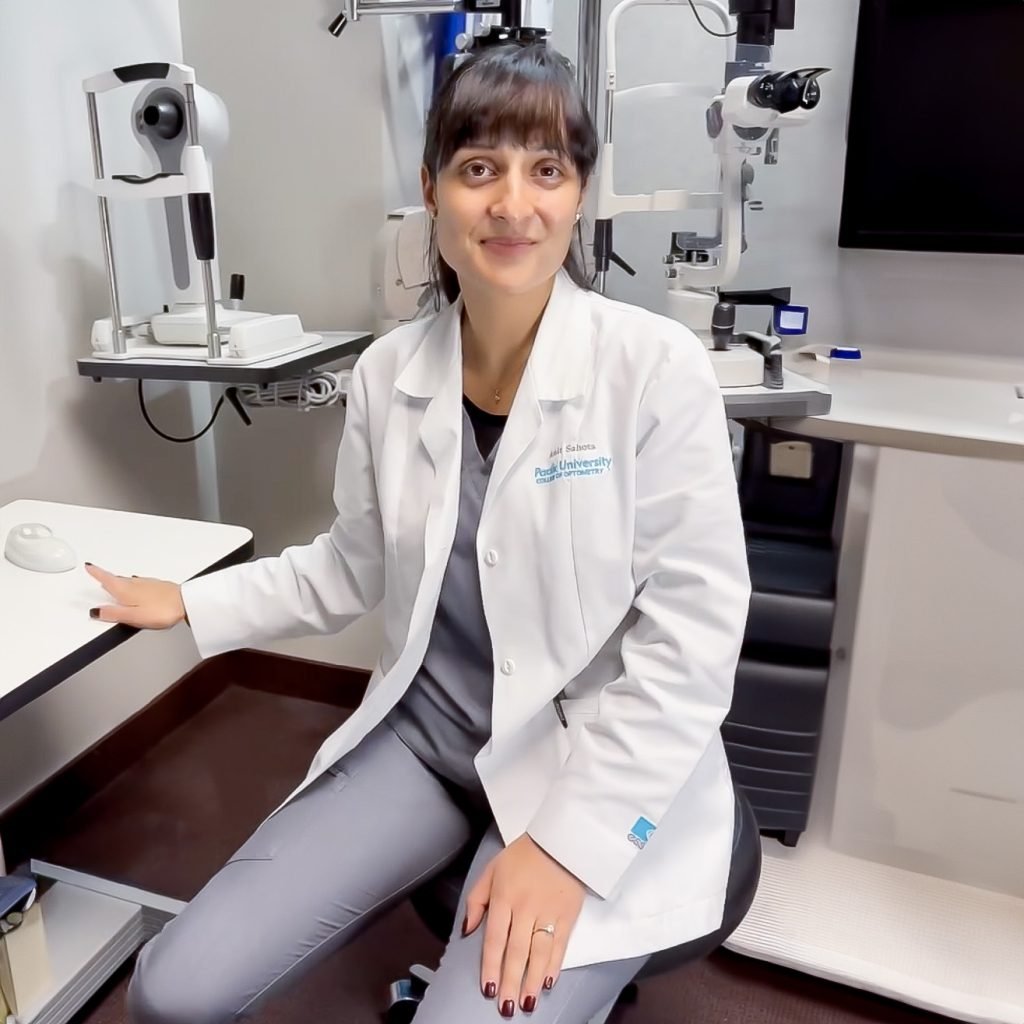
Reviewed by Dr. Amit Sahota, Registered Optometrist (BSc, OD)
July 27, 2026
FAQ’s About Eye Exams Vancouver
Why can two eye exams in Vancouver cost completely different amounts?
People are often surprised to find one clinic charging much less than another. Explain that appointment type, technology, additional testing, and what’s included all affect the final price.
What’s the difference between a vision test and a comprehensive eye exam?
A vision test measures how clearly you can see and determines whether you need glasses or an updated prescription. A comprehensive eye exam goes further by evaluating your overall eye health, checking how your eyes work together, and screening for conditions such as glaucoma, cataracts, and retinal disease. Many eye conditions develop without noticeable symptoms, making comprehensive eye exams an important part of preventive health care.
If I can see clearly, do I still need an eye exam?
Yes. Good vision doesn’t always mean your eyes are healthy. Many eye diseases develop gradually and may not affect your vision until permanent damage has already occurred. Regular eye exams allow your optometrist to detect changes early and recommend treatment or monitoring when needed.
Will I know the total cost before my appointment begins?
Most clinics can explain their examination fees before your appointment. If additional testing is recommended based on your symptoms or examination findings, your optometrist should discuss why it’s being recommended and any additional costs before proceeding. Asking these questions ahead of time can help you avoid unexpected charges.
Why might my optometrist recommend retinal imaging or pupil dilation?
These tests allow your optometrist to examine the retina and optic nerve in greater detail. Depending on your age, medical history, symptoms, or examination findings, they may help detect conditions that aren’t visible during a standard eye exam. Your optometrist will explain whether these tests are appropriate for your situation.
Can an eye exam detect health problems I haven’t noticed yet?
Yes. A comprehensive eye exam can sometimes identify early signs of eye diseases such as glaucoma, cataracts, and diabetic retinopathy before you notice changes in your vision. In some cases, changes in the eyes may also suggest broader health conditions that require follow-up with your family physician or another healthcare provider.