Daily vs. monthly contacts? Soft vs. hard contracts? Acuvue Oasys Max vs Acuvue Oasys? With the seemingly endless options and brands available, it’s no wonder that many people can feel overwhelmed and confused when trying to choose the best contacts for dry eyes that meet your specific needs.
Perhaps you’re thinking, I’ve tried a lot of contact lenses and are they really that different? Yes, and for those who have dry eyes, certain contact lenses can make their symptoms worse.
The ideal contacts for you ultimately depend a lot on your daily routine, visual demands, and, of course, personal preference. REO’s award-winning Burnaby optometrists have put together the only list you’ll need to determine the best solution for your lifestyle and dry eye symptoms, including:
- Daily or monthly contacts for dry eyes?
- Soft or hard contacts for dry eyes?
- Top 4 contacts for dry eyes
- Once you’ve picked your dry eyes contacts, what now?
Daily or Monthly Contacts for Dry Eyes?
Breathability is key for dry eye prevention. As a rule of thumb, daily lenses are thinner and therefore are the better contacts for dry eyes. However, if the convenience of monthly lenses is better suited to your needs, there are monthly options that can work well. Contact lenses that are designed to prevent dry eyes possess certain coatings or materials to prevent premature tear evaporation.
Also using preservative free artificial tears with contact lens wear helps reduce the symptoms of dry eyes.
Soft or Hard Contacts for Dry Eyes?
Due to their flexible, water-containing plastic composition that allows oxygen to pass through to the cornea, soft contact lenses are often more comfortable for people with dry eyes than hard contact lenses. They assist to alleviate dryness and irritation.
If you are considering hard or rigid gas permeable (RGP) lenses to help with vision correction, speak with your optometrist before you buy. They can create a tear reservoir between the lens and the cornea that helps with dry eyes but are often less comfortable and can exacerbate dry eye symptoms.
It’s important to consult with an eye care professional to determine the best type of contact lenses for you.
4 Best Contacts for Dry Eyes (Optometrist Proven)
Just like the rest of technology we use every day, there are constant medical innovations in the world of contact lenses offering us better solutions and products. Contact lenses are ever evolving to offer greater comfort and vision through the combination of new technologies built into the contact lenses to keep up with the increased demands we place on our vision.
Our recommendation of the best contact lenses for dry eyes is independent of any brand endorsement and is optometrist verified:
1. Acuvue Oasys 1-Day
Dry Eye Prevention: This contact lens has tear-like properties that work with your natural tear film each day, providing all-day performance, and excellent comfort, vision and handling.
2. Acuvue Oasys 2-Week
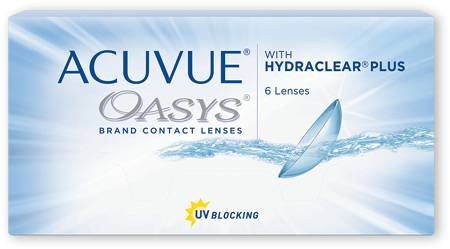
Eye Breathability: This contact lens is extremely breathable so that it feels almost like you’re wearing no lenses at all. Since contact lenses sit directly on your eyes, they reduce the oxygen flow to your eyes.
This may seem inconsequential but having oxygen flow is important in keeping your eyes healthy and providing good comfort.
3. Acuvue Oasys Max 1-Day
This contact lens has TearStable Technology that delivers a 2x lower tear evaporation rate vs other contact lens brands. This means you can count on exceptional moisture across the lens rather than experiencing dry spots that will ultimately lead to irritation.
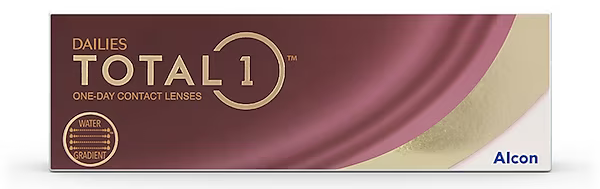
4. Dailies Total1
Eye Breathability and Dry Eye Prevention: This contact lens has Water gradient technology which creates a cushion of moisture on your eyes. It also features SmarTears® Technology which releases an ingredient found naturally in your tears to help stabilize your eye’s tear film.
Noteworthy Mentions
- Best Monthly Contact Lenses. Acuvue Vita Monthly, comes in sphere and astigmatism options.
- Best Monthly Multifocal Contact Lenses. Bausch + Lomb ULTRA Multifocal.
- Best Budget Friendly Dailies Contact Lenses. 1-Day Acuvue Moist, comes in sphere and astigmatism options.
- Best Budget Friendly Reusable Contact Lenses. Acuvue Vita Monthly and Air Optix Hydraglyde Monthly.
Ok great, you have found the best contacts for dry eyes. Now what?

Reviewed by Dr. Amit Sahota, Registered Optometrist (BSc, OD)
Don’t Forget Your Contact Lens Fitting
There is no one-size-fits-all with contact lenses. We don’t bat an eye (pun intended) when our glasses are expertly fitted – centered on the middle of our eyes, the arms of the frames are adjusted to sit comfortably on our ears, and the frames are adjusted to the bridge of our noses. A similar level of accuracy is required for proper contact lens fitting. A contact lens fitting is essential for all contact lens wearers to ensure that the lenses fit each eye properly, your vision is clear at all distances, and they are comfortable. Even those of us who wear glasses almost exclusively with occasional use of contacts, whether it be for sports, special events, or any other reasons benefit from a contact lens fitting.
How Long Does a Contact Lens Fitting Take?
The good news is that most contact lens fittings can be done at the time of your comprehensive eye exam, and it only extends your visit by around 10 minutes. If you are a first time contact lens wearer or use multifocal contacts, an additional visit allowing for more time may be required.
Dry Eyes Still Persisting?
REO’s #1 recommended dry eye care is radio frequency, an advanced, non-invasive technology with no downtime.
How does it improve dry eyes? It prevents tear evaporation by unclogging and opening your eyes’ oil glands from the heat created by the low-energy radiation. When your eyes’ oil glands are at optimal functionality, you will have more oil in your tears. This helps to retain moisture and improves dry eye symptoms, which can have a huge impact on your day. See for yourself what MDs say about radio frequency for dry eyes.
If you suffer from burning eyes, vision fluctuations, difficulty wearing contact lenses, overly watery eyes, irritated and itchy eyes, or a number of other dry eye symptoms, radio frequency treatments can benefit you.
Interested in More Info? Book a Free Consultation
Real Eyes Optometry provides Acuvue, Alcon, Bausch & Lomb and Coopervision Brand Contact Lenses. Follow us on IG for promotions on contact lenses.

6 Common Questions Customers Ask Us
1. How do I know if my dry eyes are affecting my contact lens comfort?
Dry eye symptoms like burning, itching, fluctuating vision, or excessive tearing can indicate that your current lenses aren’t compatible. An optometrist can assess your tear film and recommend lenses designed for better moisture retention.
2. Are daily contacts always better for dry eyes than monthly lenses?
Daily lenses tend to be thinner and more breathable, which helps reduce dryness. However, certain monthly lenses with moisture-locking technology can also work well if convenience or cost is a priority.
3. Should I choose soft or hard contact lenses for dry eyes?
Soft lenses are usually more comfortable for dry eyes because they allow oxygen to pass through to the cornea. Rigid gas permeable (RGP) lenses can help in some cases but may exacerbate dryness without proper fitting.
4. What makes Acuvue Oasys Max and Dailies Total1 ideal for dry eyes?
Acuvue Oasys Max features TearStable Technology to reduce tear evaporation, while Dailies Total1 uses Water Gradient and SmarTears® Technology to create a cushion of moisture and stabilize your tear film for all-day comfort.
5. Can budget-friendly contact lenses still be suitable for dry eyes?
Yes. Options like 1-Day Acuvue Moist or Acuvue Vita Monthly offer moisture-retaining features that balance affordability with comfort, though they may not match the premium moisture technologies of higher-end lenses.
6. How important is a contact lens fitting for dry eye sufferers?
Extremely important. Proper fitting ensures lenses sit correctly on your eyes, provide clear vision at all distances, and minimize irritation. Even experienced contact lens users benefit from a fitting, especially for multifocal or specialized lenses.
7. What additional treatments can help if contacts alone aren’t enough for dry eyes?
Advanced options like radio frequency therapy can help unclog oil glands, improve tear quality, and prevent evaporation, providing long-term relief for burning, watery, or irritated eyes.
8. How often should I get my contact lenses and dry eye status evaluated?
Regular eye exams and contact lens evaluations, typically every 6–12 months, help monitor eye health, ensure your lenses remain optimal for comfort, and allow for timely adjustments if dry eye symptoms worsen.