Kids Eye Exam: Welcome to the Kids First Program
First experiences have a way of staying with us.
The first day of school, riding a bike without training wheels, or joining a new team. These moments often shape how we feel about similar experiences for years to come. A child’s first visit to the eye doctor is no different. That’s why we created the Kids First Program.
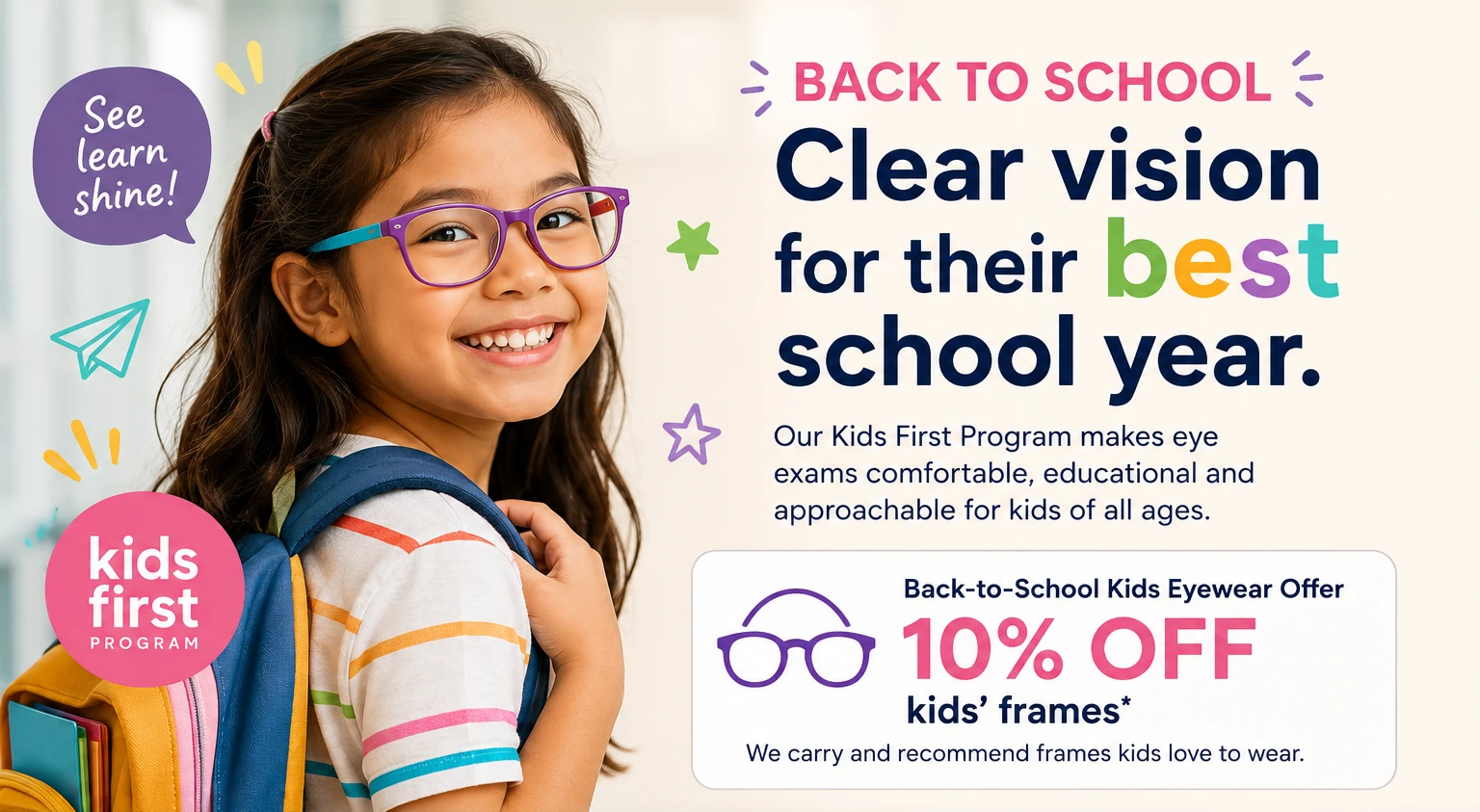
The Kids First Program is more than a kids’ eye exam. It’s a commitment to helping children feel safe, confident, and curious while giving parents the guidance they need as their child’s vision develops. From a first eye exam to back-to-school checkups, first glasses, contact lenses, and the vision changes that come with growing up, we’re here to support your family every step of the way.
Because when a child has a positive first experience with eye care, they’re more likely to carry healthy vision habits with them for years to come.
Kids First Program At a Glance:
The Kids First Program is designed to support your child’s vision from their first eye exam through every stage of growing up. We focus on creating positive experiences, helping parents understand their child’s eye health, and providing ongoing care as your child’s vision changes over time.
Building Confidence From Day One
A child’s first experience at the eye doctor can shape how they feel about eye care for years to come. We create a welcoming environment where children can explore, ask questions, and feel comfortable at their own pace.
Care That Grows With Your Child
Children’s eyes change as they develop. We stay up to date with the latest research in children’s vision care so we can continue providing thoughtful, evidence-informed care as your child grows.
A Relationship Built Over Time
We believe families benefit from having a trusted optometrist who understands your child’s vision history, milestones, and changing needs. From their first visit to school years, growth spurts, sports, screen time, and beyond, we’re here to grow alongside your family.
Every Child Is Different
There is no one-size-fits-all approach to pediatric eye care. Whether your child is shy, energetic, neurodivergent, learning to read, or simply curious about everything, we tailor each appointment to their individual needs.
Supporting Parents Every Step of the Way
Eye care doesn’t end when the appointment is over. We take the time to answer your questions, explain your child’s results, and help you make informed decisions as their vision continues to develop.
Getting started is easy. Book a kids eye exam and talk with our team about your child’s needs when you visit.
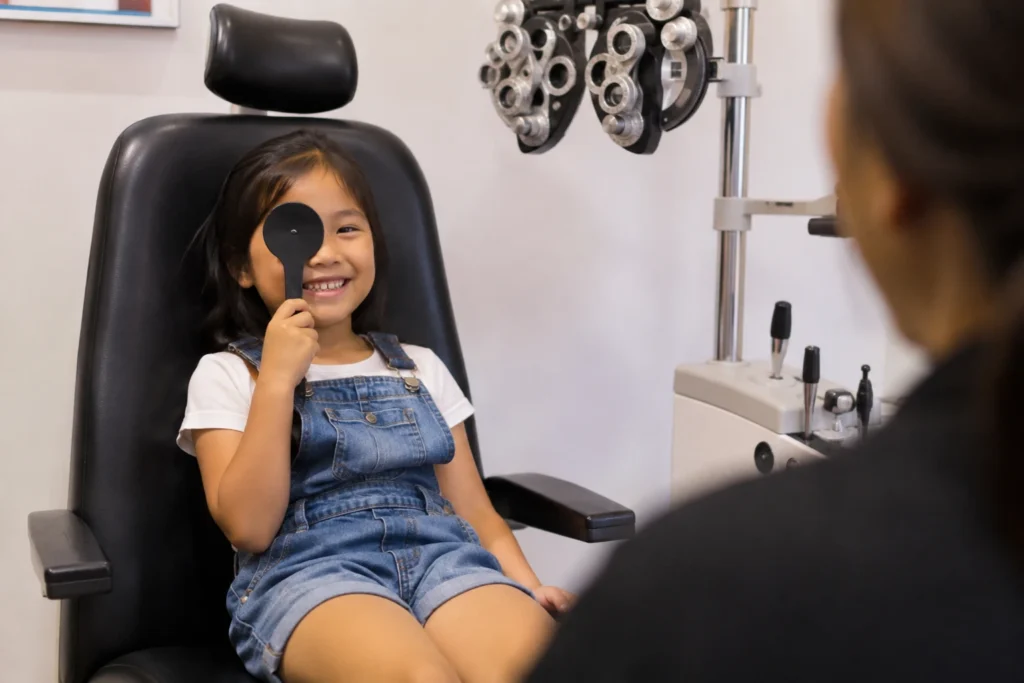
Why Your Kids First Eye Exam Matters
A child’s first kids eye exam is often the beginning of a lifelong relationship with eye care.
Children aren’t just developing their eyesight. They’re developing confidence, communication skills, and trust in healthcare professionals. A positive first experience can make future appointments feel familiar instead of intimidating.
Many children also don’t realize they’re having difficulty seeing. They assume everyone sees the world the same way they do. Routine eye exams help monitor healthy visual development, identify changes early, and give parents the opportunity to ask questions as their child grows.
Our goal isn’t simply to determine whether your child needs glasses. It’s to create an experience where children feel comfortable returning year after year, while giving parents the knowledge and confidence to support their child’s vision at every stage.
The Story Behind the Kids First Program
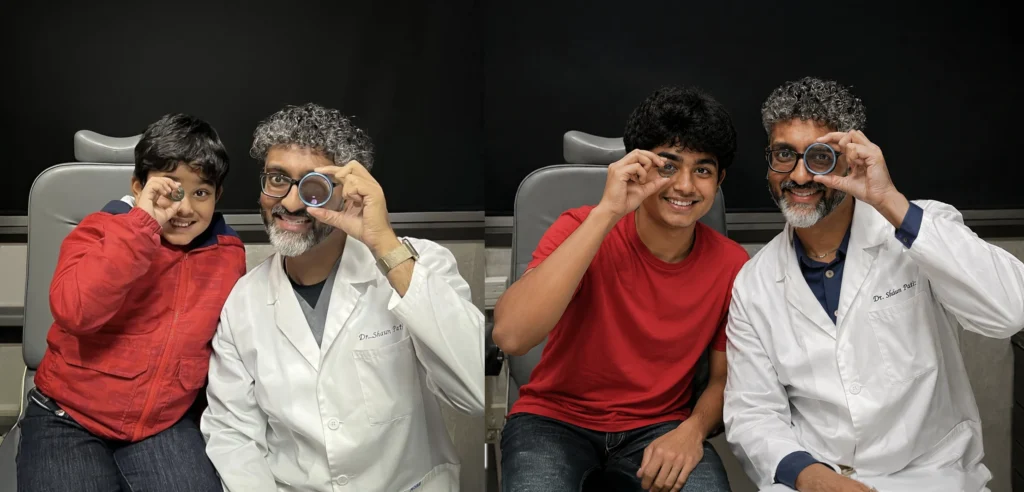
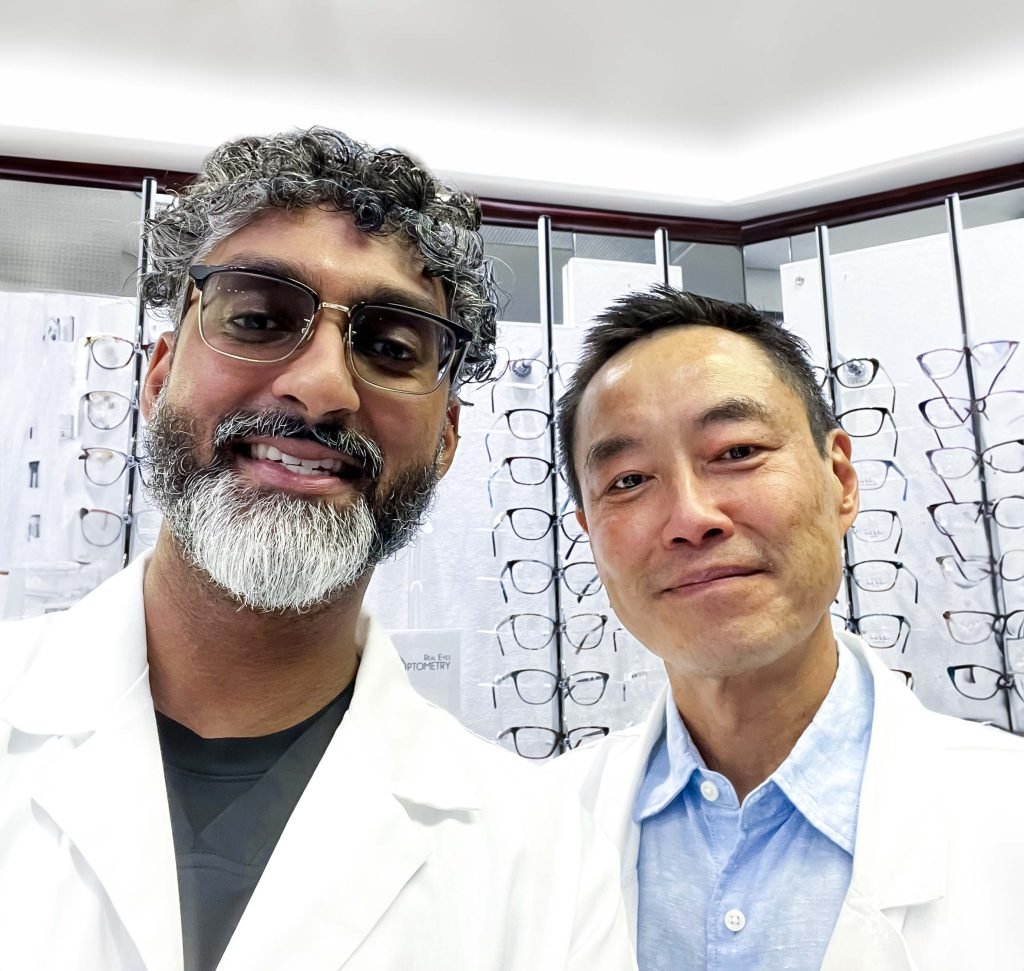
The Kids First Program began long before Dr. Shaun Pati became an optometrist.
When he was six years old, his mother was seriously injured in a car accident and lost much of her vision. Over the years that followed, he accompanied her to appointments with Dr. Tony Wang, watching not only her eyesight improve but also the relationship that developed between patient and doctor.
Those experiences changed the way he thought about healthcare.
He saw that great eye care wasn’t defined only by technology or prescriptions. It was built on trust, patience, education, and helping people feel supported during uncertain moments.
Years later, Dr. Shaun became an optometrist and now practices alongside the very doctor who cared for his family.
That journey continues to influence the Kids First Program today. We believe children deserve the same patience, encouragement, and compassion that inspired Dr. Shaun’s own career. Every appointment is an opportunity to help a child feel comfortable, answer a parent’s questions, and build a relationship that can grow alongside the family for years to come.
How to Join the Kids First Program
Joining the Kids First Program is simple. There is no separate application, membership fee, or complicated registration process.
Start by booking a kids eye exam for your child online or by calling our clinic. When you arrive, tell us about your child, any vision concerns you have noticed, and anything that may help them feel more comfortable during the appointment.
This may include:
- Their age and previous eye care experiences
- Concerns about reading, headaches, squinting, or screen use
- Anxiety, sensory sensitivities, ADHD, autism, or other individual needs
- Questions about glasses, contact lenses, myopia, sports eyewear, or school
- Any information shared by a teacher or another healthcare provider
Your child becomes part of the Kids First Program through their eye care journey with our clinic. We will help you understand what happens next, answer your questions, and discuss follow-up care based on your child’s individual needs.
Ready to get started?
Book your child’s eye exam online, then come meet our team and tell us how we can support your family.
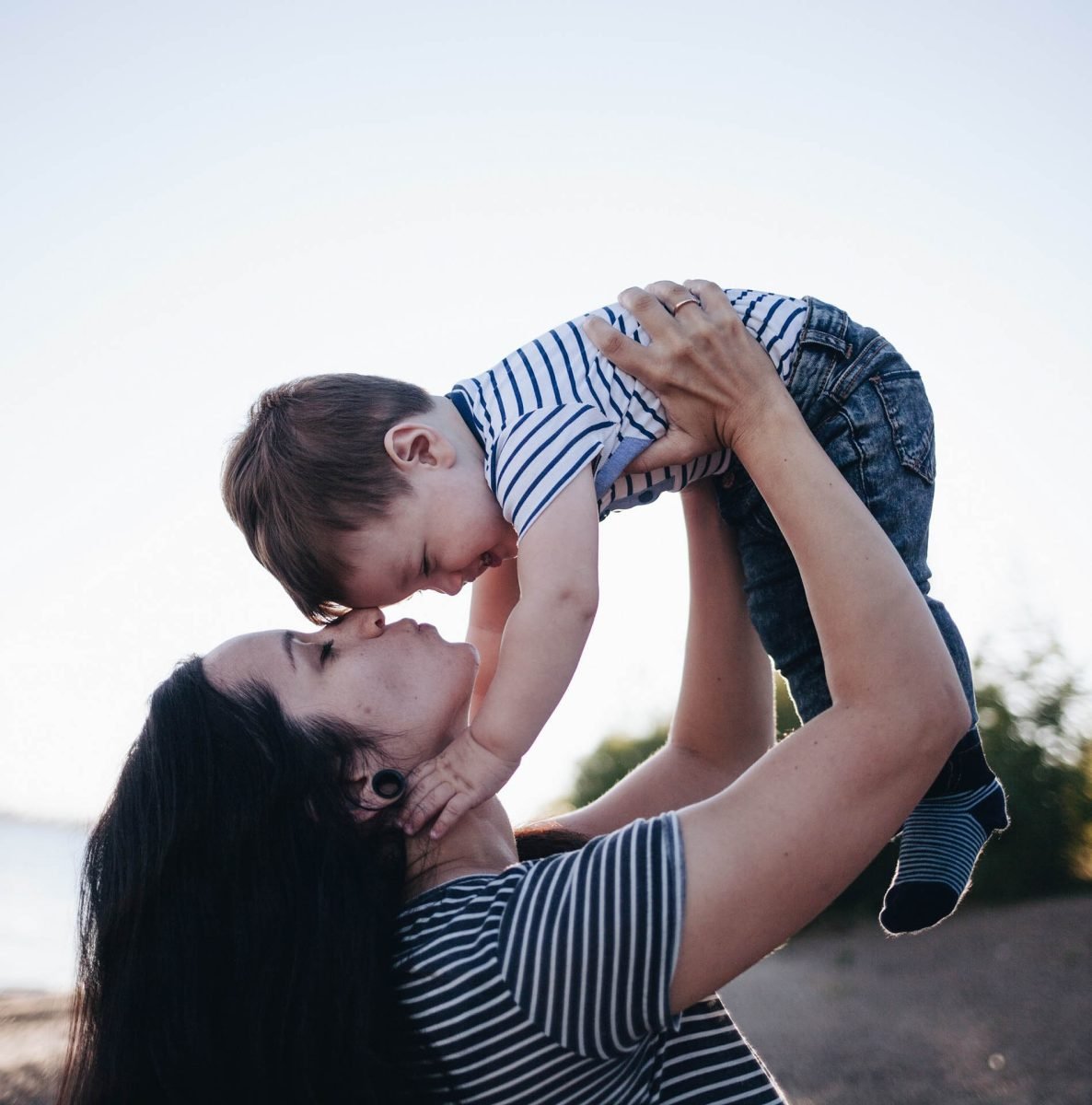
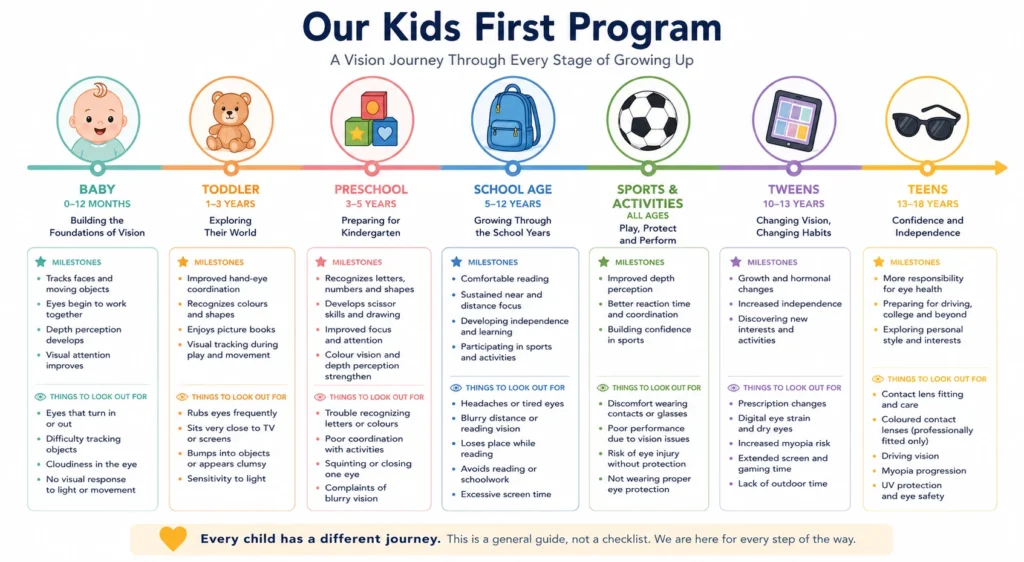
Your Child’s Vision Journey
From first smiles to first driver’s license, we’re here for every stage.
This timeline highlights common visual milestones, changing eye care needs, and signs parents may want to discuss with an optometrist. Every child develops differently, so this guide is not a checklist or diagnosis.
Birth to 12 Months
Your baby’s visual system develops quickly during the first year. Their eyes begin learning how to focus, follow movement, and work together.
Common Milestones
- Tracks faces and moving objects
- Eyes begin working together
- Depth perception starts developing
- Visual attention improves
- Shows interest in faces, lights, and colourful objects
Things to Look Out For
- An eye that regularly turns inward or outward
- Difficulty following faces or moving objects
- Cloudiness in the eye
- Little or no response to light or movement
- Frequent eye rubbing, tearing, or light sensitivity
Toddler 1 to 3 Years
Toddlers use vision to explore through movement, play, climbing, drawing, and picture books.
Common Milestones
- Improved hand and eye coordination
- Recognizes colours and basic shapes
- Enjoys looking at picture books
- Tracks toys during movement and play
- Becomes more confident navigating familiar spaces
Things to Look Out For
- Frequent eye rubbing
- Sitting very close to screens
- Bumping into objects more than expected
- Closing or covering one eye
- Sensitivity to light
- Difficulty locating or reaching for familiar objects
Preschool 3 to 5 Years
As children prepare for kindergarten, visual skills support drawing, matching, early reading, movement, and classroom participation.
Common Milestones
- Recognizes letters, numbers, colours, and shapes
- Develops drawing and scissor skills
- Improves focus and visual attention
- Builds stronger eye and hand coordination
- Develops greater awareness of depth and distance
Things to Look Out For
- Difficulty recognizing familiar letters or shapes
- Squinting or closing one eye
- Complaints of blurry vision
- Avoiding close activities
- Holding books or screens unusually close
- Trouble coordinating vision with movement
School Age 5 to 12 Years
School places new demands on a child’s vision. They need to shift focus between books, screens, teachers, and objects across the room.
Common Milestones
- Reads for longer periods
- Maintains clearer distance and near vision
- Develops greater independence with schoolwork
- Participates in sports and physical activities
- Begins taking more responsibility for glasses and eye care
Things to Look Out For
- Headaches or tired eyes after school
- Blurry distance or reading vision
- Losing their place while reading
- Avoiding reading or schoolwork
- Frequent squinting
- Moving closer to the board or television
- Changes in grades, reading comfort, or concentration
Tweens 10 to 13 Years
Growth, changing school demands, increased screen use, and new interests can all affect a child’s vision and eye comfort.
Common Milestones
- Prescription changes during growth
- Greater independence with eye care
- More time spent on phones, tablets, and gaming
- Interest in contact lenses
- Increased responsibility for glasses and routines
- Discussions about myopia management when appropriate
Things to Look Out For
- Increasing difficulty seeing at a distance
- Digital eye strain
- Dry or irritated eyes
- Headaches after screen use
- Rapid prescription changes
- Limited outdoor time
- Difficulty remembering glasses or eye care routines
Teens 13 to 18 Years
Teenagers often want more independence, more choice, and eye care options that fit school, sports, driving, style, and social life.
Common Milestones
- Contact lenses
- Professionally fitted coloured contact lenses
- Orthokeratology for eligible patients
- Driving vision assessments
- Prescription sunglasses
- Protective sports eyewear
- Planning for university, work, and increased screen use
Things to Look Out For
- Changes in distance vision
- Myopia progression
- Contact lens discomfort or poor lens care habits
- Difficulty seeing while driving at night
- Frequent headaches or eye strain
- Using decorative contact lenses without professional fitting
- Not wearing ultraviolet protection outdoors
What Happens During a Kids Eye Exam?
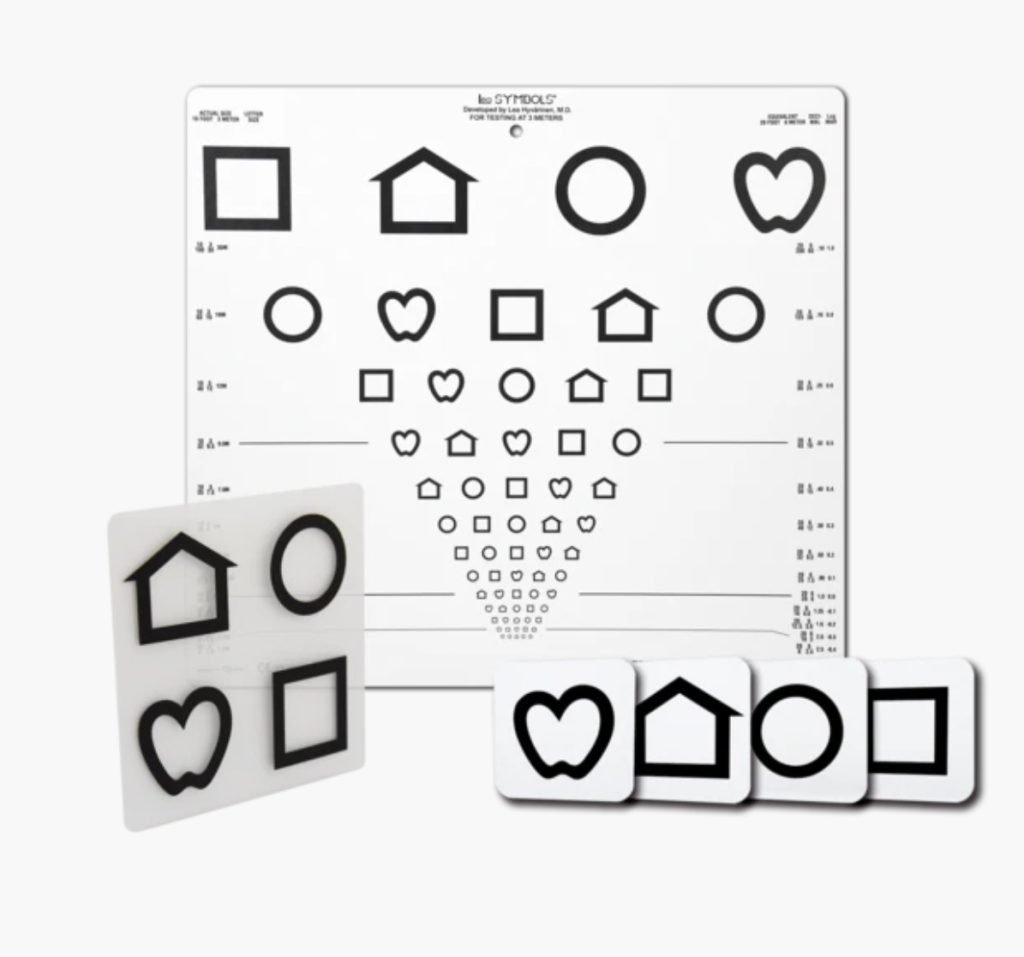
One of the biggest questions parents have is, “What will actually happen during my child’s appointment?”
The answer depends on your child’s age, but one thing stays the same: we meet children where they are. There are no grades, no wrong answers, and no pressure to “perform.” Our goal is to understand how your child’s eyes are developing while helping them feel relaxed, engaged, and confident throughout the visit.
A kids eye exam includes a series of age-appropriate tests that help us understand how your child’s vision is developing and whether their eyes are working comfortably together. Depending on your child’s age and individual needs, the appointment may include:
- Checking how clearly your child sees
- Seeing how well both eyes work together
- Assessing focusing and eye tracking
- Examining the overall health of the eyes
- Talking about concerns such as reading, learning, headaches, screen time, or sports
- Recommending additional testing if it’s appropriate for your child
For younger children, many parts of the exam feel more like games than medical tests. We use pictures, shapes, lights, and other age-appropriate techniques that allow us to assess vision without expecting children to know letters or read an eye chart.
Throughout the appointment, we’ll explain what we’re doing, answer your questions, and make sure both you and your child feel comfortable every step of the way.
Many parents still have one concern before booking:
“What if my child isn’t ready for an eye exam?”
That’s completely okay.
Young children don’t need to know letters to have a comprehensive kids eye exam. We use pictures, shapes, matching activities, lights, and other age-appropriate techniques to assess vision long before children begin reading.
A kids eye exam doesn’t diagnose learning differences such as dyslexia, but it can identify vision problems that may make reading more difficult or uncomfortable. We’ll assess how your child’s eyes focus, track, and work together while discussing any concerns you have about school or learning.
Not every child needs glasses after a kids eye exam, but if they do, we’ll explain the results, answer your questions, and help you choose options that suit your child’s age, activities, and lifestyle. Our goal is to help children feel confident wearing their glasses, not self-conscious.
Not every child needs glasses after a kids eye exam, but if they do, we’ll explain the results, answer your questions, and help you choose options that suit your child’s age, activities, and lifestyle. Our goal is to help children feel confident wearing their glasses, not self-conscious.
Every child is different. We adapt each appointment to your child’s comfort level, pace, and individual needs. If there’s anything you’d like us to know before your visit, let us know when booking.
Many children feel unsure during their first visit, and that’s completely normal.
At the heart of our Kids First Program is one simple idea: trust comes before testing.
We explain each step in child-friendly language, move at your child’s pace, and never rush the experience. Our goal is to help every child leave feeling safe, confident, and excited to come back.
Not every child needs glasses after a kids eye exam, but if they do, we’ll explain the results, answer your questions, and help you choose options that suit your child’s age, activities, and lifestyle. Our goal is to help children feel confident wearing their glasses, not self-conscious.
Colour vision testing may be recommended if there are concerns about colour perception or a family history of colour vision deficiency. Identifying colour blindness early can help children, parents, and teachers better understand how your child experiences colours in everyday activities.
Is It Time to Join the Kids First Program?
Every child begins their vision journey at a different stage.
Some families join the Kids First Program because it is time for their child’s first kids eye exam. Others are preparing for kindergarten, noticing changes at school, choosing their child’s first pair of glasses, or simply wanting to stay ahead of their child’s changing vision.
But it is never too late to start.
Whether your child is a toddler, elementary school student, or teenager, the Kids First Program is designed to support their vision through every stage of growing up. Older children and teens often have new questions as their needs change, from contact lenses and myopia management to Ortho-K, coloured contacts, sports eyewear, and understanding their options as they become more independent.

You may want to book an appointment if your child:
- Is due for their first or routine kids eye exam
- Is starting daycare, preschool, kindergarten, or a new school year
- Rubs their eyes frequently
- Squints to see things in the distance
- Holds books or screens very close
- Complains of headaches or tired eyes
- Loses their place while reading
- Covers one eye to see better
- Has trouble concentrating during schoolwork
- Has a family history of eye conditions
- Is interested in glasses, contact lenses, or other vision options
- Is experiencing changes during a period of rapid growth
Sometimes parents notice changes. Other times, children don’t realize anything is different because they have always seen the world that way. Regular kids eye exams help monitor vision development and give families the information they need as their child grows.
The Kids First Program isn’t just about prescribing glasses when they are needed. We’re here to answer your questions, monitor your child’s vision over time, and help your family navigate every milestone, from their first eye exam to their teenage years and beyond.
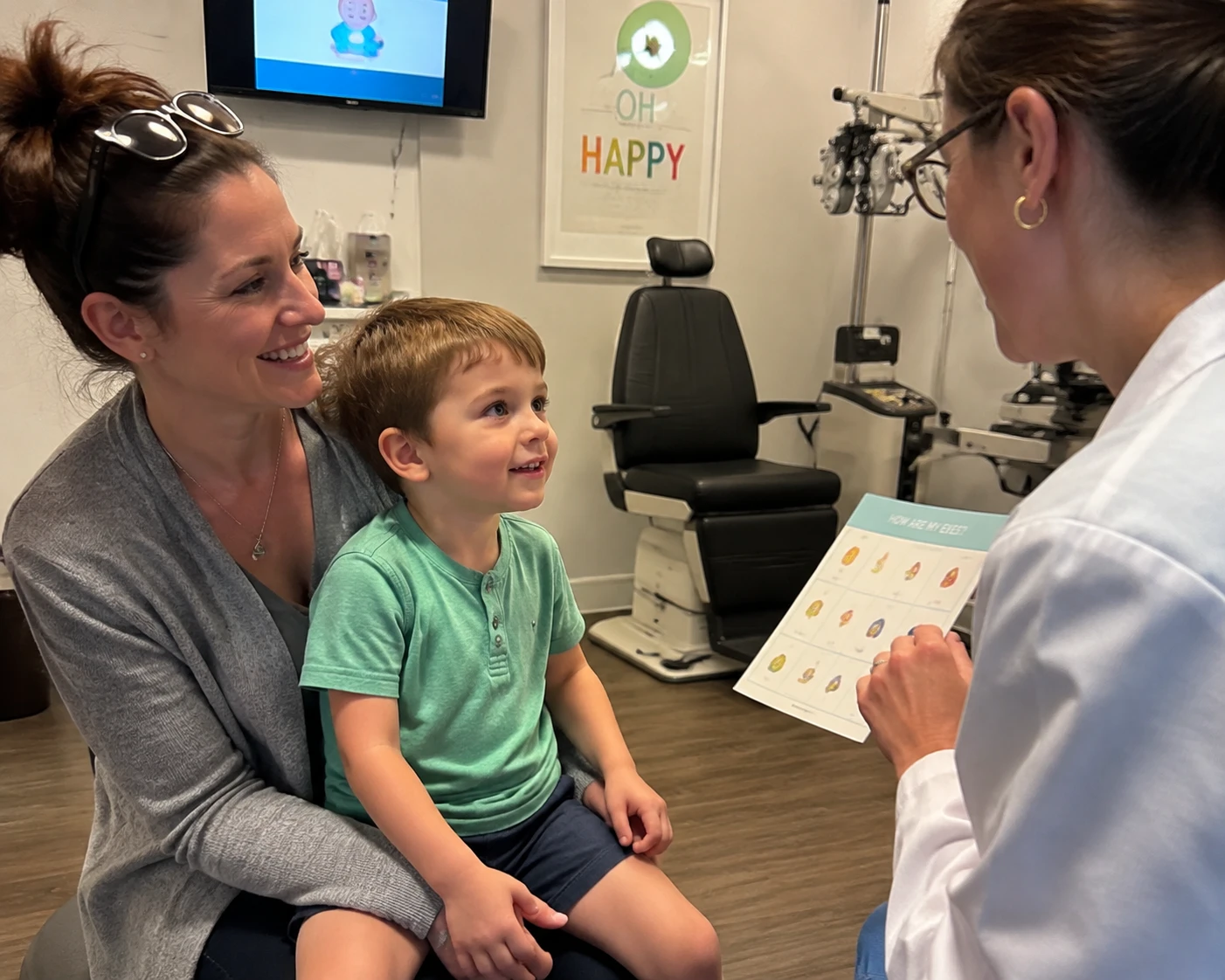
How Parents Help Make the Kids First Program a Success
The Kids First Program isn’t just for children. It’s designed to support parents, too.
No one knows your child better than you. By working together before and during the appointment, we can create an experience that’s comfortable, positive, and tailored to your child’s personality and needs.
Here are a few simple ways you can help.
Talk About the Appointment Positively
Children often take their cues from the adults around them. Instead of treating the appointment like a test, describe it as an opportunity to discover how their eyes work.
You might say:
“The eye doctor is going to show you some cool lights and pictures to see how your eyes work.”
Avoid Saying “It Won’t Hurt”
Even with the best intentions, saying something won’t hurt can make children wonder if it might. Instead, reassure them that you’ll be with them and that they’re welcome to ask questions throughout the visit.
Bring Their Glasses
If your child already wears glasses or contact lenses, bring them to the appointment. Previous prescriptions or reports from another eye care provider can also help us understand how their vision has changed over time.
Tell Us About Your Child
One of the most valuable parts of the Kids First Program happens before the exam even begins.
Tell us about anything you’ve noticed at home or school, including:
- Squinting
- Headaches
- Holding books or screens very close
- Difficulty reading
- Excessive blinking
- Eye rubbing
- Concerns raised by a teacher
- Anxiety, ADHD, autism, or sensory sensitivities
- Anything that helps your child feel comfortable in new situations
The more we know about your child, the more we can adapt the appointment to their needs.
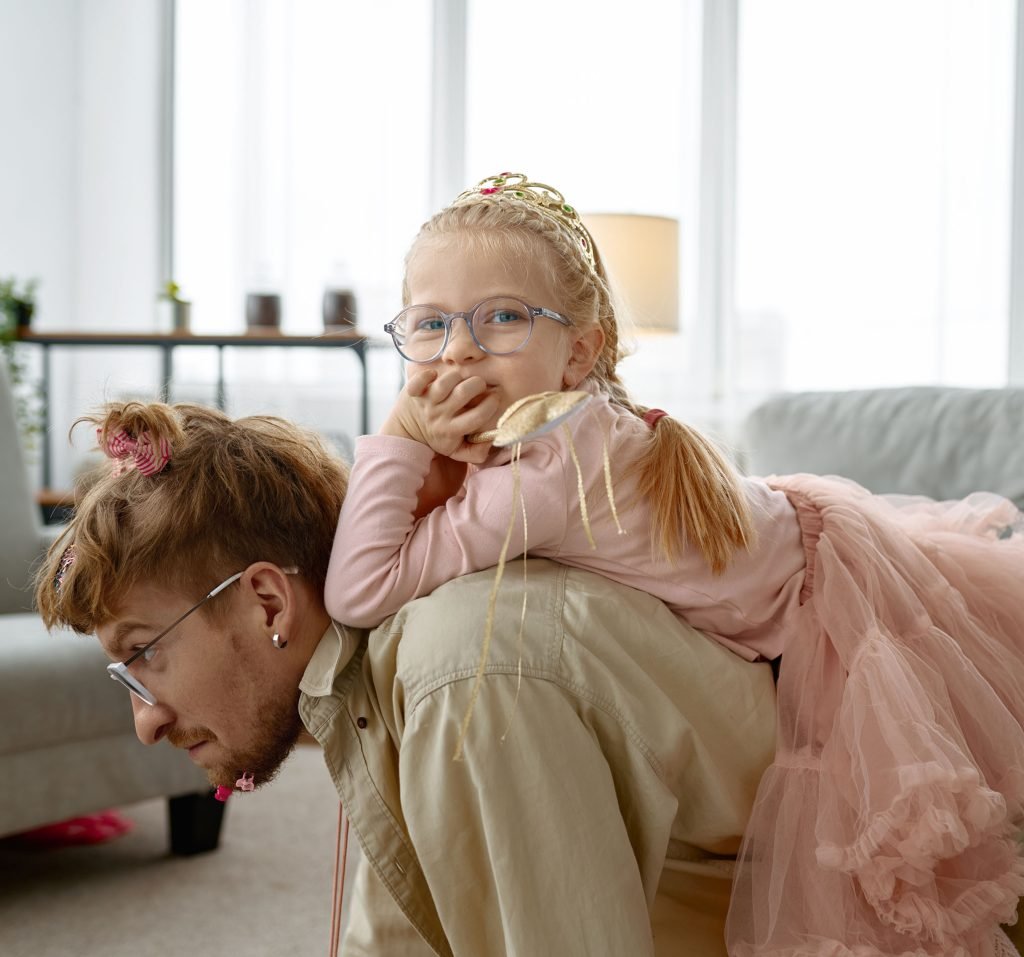
You’re Part of the Team
The Kids First Program is built around a simple idea: parents and optometrists work best together.
We’ll answer your questions, explain what we’re seeing, and help you understand your child’s vision as they grow. Together, we can create positive experiences that help children feel confident about eye care for years to come.
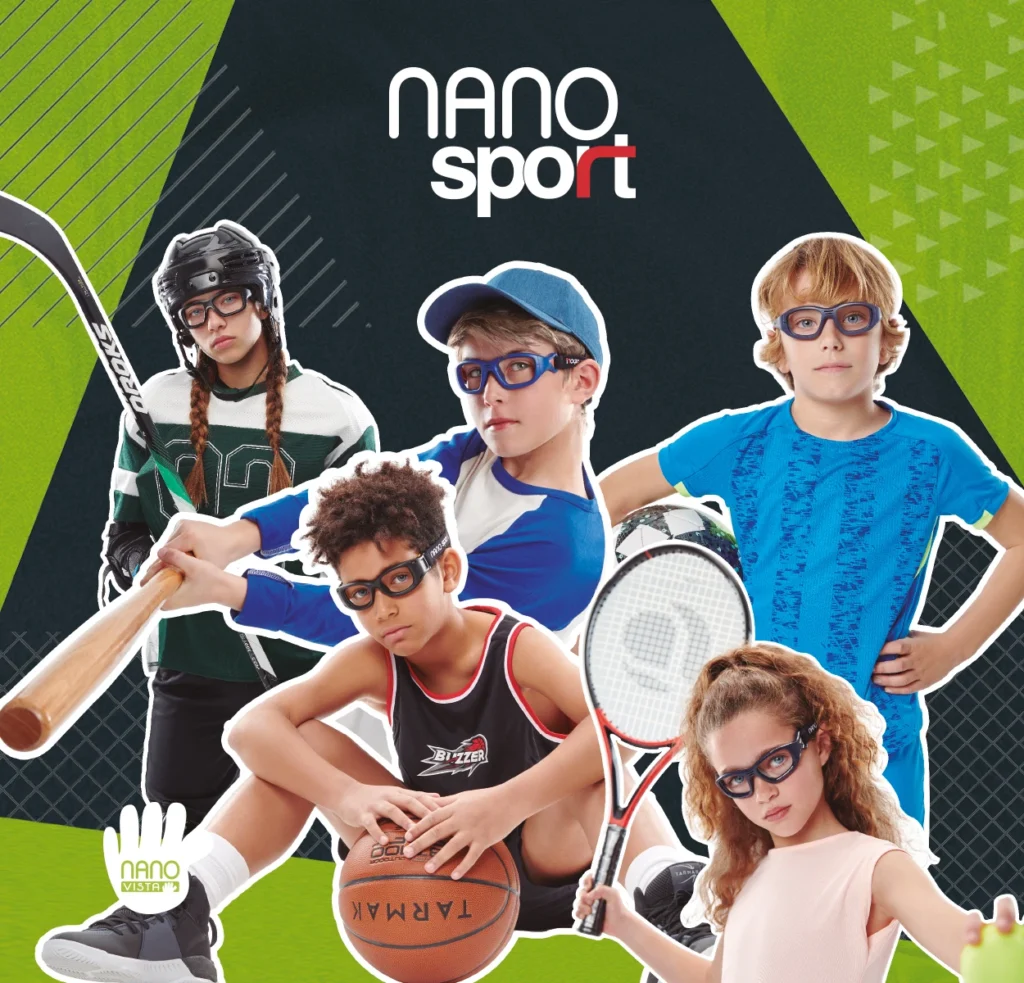
Optometrist-Recommended Frames Made for Kids
Kids run, jump, play, tumble and occasionally forget that glasses are supposed to stay on their faces. That’s why we carry NanoVista kids’ frames at Real Eyes Optometry.
Made for busy kids and everyday adventures, the NanoVista collection includes super-flexible, highly resistant frames, sports frames, sun protection options, and even glow-in-the-dark glasses for kids who want something a little more fun. NanoVista’s Glow collection uses fluorescent particles in the temples so the frames can glow in the dark.
They’re designed to handle the bumps, bends, and general chaos that come with being a kid. Plus, replacement parts are available for many styles, which can make life a little easier when accidents happen.
We carry NanoVista kids’ frames at Real Eyes Optometry. Ask us about finding the right fit for your child.
Growing With Your Family
A child’s first kids eye exam is just the beginning.
As children grow, so do their eyes. Their vision changes with reading, sports, screen time, growth spurts, new hobbies, and increasing independence. What they need at age three is very different from what they’ll need at thirteen.
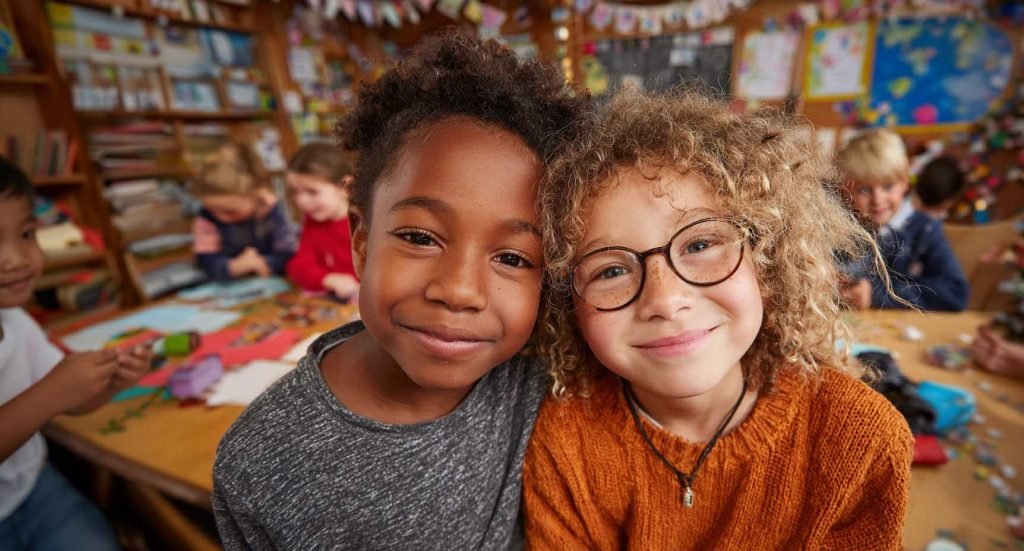
That’s why the Kids First Program was created. Rather than focusing on a single appointment, we’re here to support your family through every stage of your child’s vision journey.
As your child grows, we’ll help you:
- Stay on track with routine eye exams
- Monitor changes in vision and prescriptions
- Support healthy visual development
- Discuss screen habits and eye comfort
- Monitor myopia progression when appropriate
- Explore glasses, contact lenses, or other options as your child’s needs change
- Answer your questions through every stage of childhood
Our hope is that your child grows up feeling comfortable with eye care, confident asking questions, and knowing they have a team that’s been with them every step of the way.
Today it’s their first kids eye exam.
Tomorrow it might be their first day of kindergarten.
Their first pair of glasses.
Making the school volleyball team.
Trying contact lenses before high school.
Learning to drive.
Heading off to college or university.
Watching them bring their own children in one day.
Whether its a back-to-school checkup, new glasses for hockey or soccer, preparing for high school, or heading off to college, we’re honoured to be part of that journey and look forward to caring for your family for years to come.
Real Eyes Optometry
The Kids First Program is located inside Metropolis at Metrotown, making it easier for busy families to fit eye care into their day. With free, accessible parking and a central mall location, parents can complete errands while their child attends their eye exam.
Grab groceries, return clothing, pick up essentials, or enjoy a quick meal nearby, all while staying close to your child’s appointment. Of course, parents are always welcome to stay, ask questions, and be part of their child’s vision journey. Our goal is to make eye care simple and convenient for the whole family.

Dr. Shaun Pati is passionate about helping children develop healthy vision habits from an early age. As a Burnaby-raised optometrist, he has a special interest in pediatric eye care and creating positive, comfortable experiences for young patients and their families. His dedication to children’s vision care has been recognized by Three Best Rated as one of the recommended pediatric eye doctors in Burnaby.

Dr. Amit Sahota brings a gentle and patient approach to every eye exam. She believes children and families deserve to feel comfortable, understood, and supported when caring for their vision. With the ability to communicate in multiple languages, Dr. Amit helps create a welcoming experience for families from diverse backgrounds.
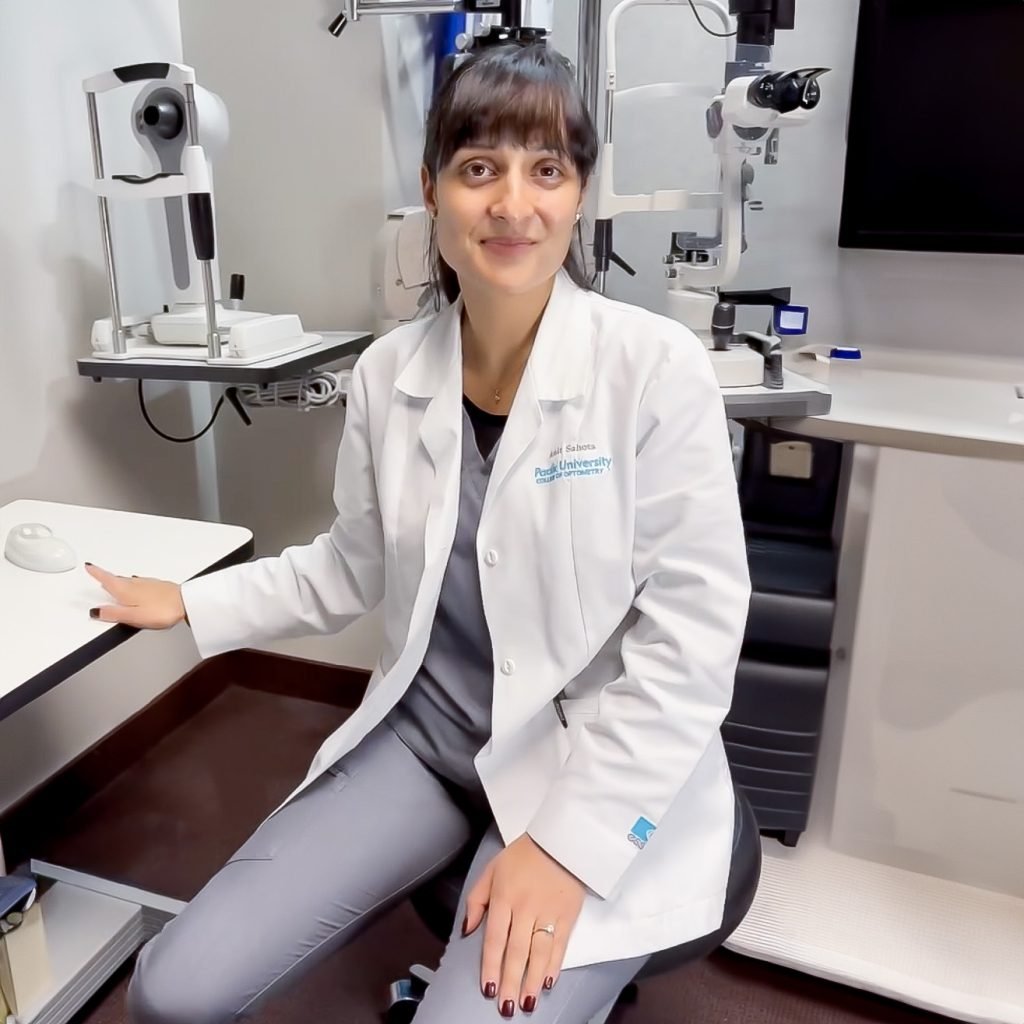
Medically Reviewed by Dr. Amit Sahota, Registered Optometrist (BScOD)
September 10, 2026
FAQ for Our Kids First Program
Is my child old enough for a kids eye exam?
Many parents are surprised to learn that children don’t need to know the alphabet or even be in school to have their eyes examined. We tailor every kids eye exam to your child’s age and stage of development, using pictures, shapes, lights, and other age-appropriate tests.
My child says they can see fine. Do they still need a kids eye exam?
Yes. Children often don’t realize their vision has changed because they have nothing to compare it to. A comprehensive kids eye exam can identify vision and eye health concerns that may not be obvious at home or in the classroom.
My child failed a school vision screening. Should I book a kids eye exam?
Yes. School vision screenings are helpful, but they don’t replace a comprehensive kids eye exam. If your child doesn’t pass a screening or you’re concerned about their vision, an eye exam can provide a more complete assessment of their visual development and eye health.
My child hates doctor appointments. Will a kids eye exam be stressful?
Every child responds differently to new experiences. Our Kids First Program is designed to move at your child’s pace. Whether they’re outgoing, shy, anxious, or simply curious, we adapt the appointment to help them feel comfortable and build confidence along the way.
Will my child need glasses after their kids eye exam?
Not necessarily. Many children complete a kids eye exam and don’t need glasses. If we do recommend glasses, we’ll explain why, answer your questions, and help you choose options that fit your child’s lifestyle.
Can my child have a kids eye exam if they have ADHD, autism, or sensory sensitivities?
Absolutely. Every child experiences the world differently. If your child has ADHD, autism, anxiety, sensory sensitivities, or other individual needs, let us know before the appointment. We’ll work with you to adapt the experience and help your child feel as comfortable as possible.
What if my child won’t cooperate during the eye exam?
That’s more common than you might think. Our goal isn’t to rush through a checklist. We use different testing methods depending on your child’s age and comfort level, and we’ll gather as much information as we can while creating a positive experience. Sometimes building trust is just as important as completing every test.
Why do kids need regular eye exams as they grow?
Children’s eyes can change quickly throughout childhood and adolescence. Routine kids eye exams allow us to monitor vision as your child grows, starts school, spends more time on digital devices, participates in sports, and goes through periods of rapid growth.
Can I stay with my child during the eye exam if I don’t have childcare?
We understand that arranging childcare is not always easy. Parents are welcome to be involved in their child’s eye exam, and we will do our best to make the appointment work for your family.
If you need to bring another child with you, please let us know when booking so we can help plan the visit and make everyone as comfortable as possible. Our goal is to create a positive experience for your child while supporting the needs of your whole family.