If you’ve been searching for an optometrist near me, you’re not alone—and you’re probably not doing it randomly.
Most people start this search when something feels slightly off. Maybe your eyes feel tired after a long day. Maybe reading small text has become harder. Or maybe it’s just been a while, and you know you should get things checked.
Here’s the part many people don’t realize: visiting an optometrist near me isn’t just about getting a new prescription. It’s one of the most important ways to protect your long-term eye health, catch early signs of disease, and make sure your day-to-day vision feels effortless.
Let’s walk through exactly what you need to know, step by step, so you can feel confident about your next move.
Looking for an Optometrist Near Me in Burnaby? Start Here
When people search for an optometrist near me, they’re usually looking for more than just convenience. They want clarity, trust, and answers.
At its core, an optometrist is your primary eye care provider.
That includes:
- Comprehensive eye exams
- Vision correction with glasses or contact lenses
- Diagnosis and management of common eye conditions
- Monitoring for early signs of systemic health issues
Simple definition:
An optometrist is a licensed healthcare professional who evaluates both your vision and the overall health of your eyes.
Optometrist vs Ophthalmologist: Who Should You See?
A common question that comes up right after searching for an optometrist near me is the difference between providers.
Optometrist vs Ophthalmologist:
- Optometrist: First point of contact for eye exams, prescriptions, and ongoing care
- Ophthalmologist: Medical doctor who performs surgery and treats advanced eye disease
For most people in Burnaby, starting with an optometrist near me is the right decision. If specialized care is needed, you’ll be referred appropriately.
What Happens When You Book an Eye Exam Near Me in Burnaby
Once you’ve decided to visit an optometrist near me, the next question is usually: what actually happens during the appointment?
A comprehensive eye exam near me includes much more than checking if you need glasses.
Here’s what to expect in 5 steps:
1. Visual acuity testing: Measures how clearly you see at different distances.
2. Refraction assessment: Determines your prescription for glasses or contact lenses.
3. Eye health evaluation: Examines the retina, optic nerve, and blood vessels.
4. Binocular vision testing: Checks how well your eyes work together.
5. Screening for eye disease: Includes glaucoma, macular degeneration, and diabetic eye changes.
Important to know:
Many eye conditions develop without noticeable symptoms early on. Regular exams are the only reliable way to detect them.
Source: Canadian Association of Optometrists
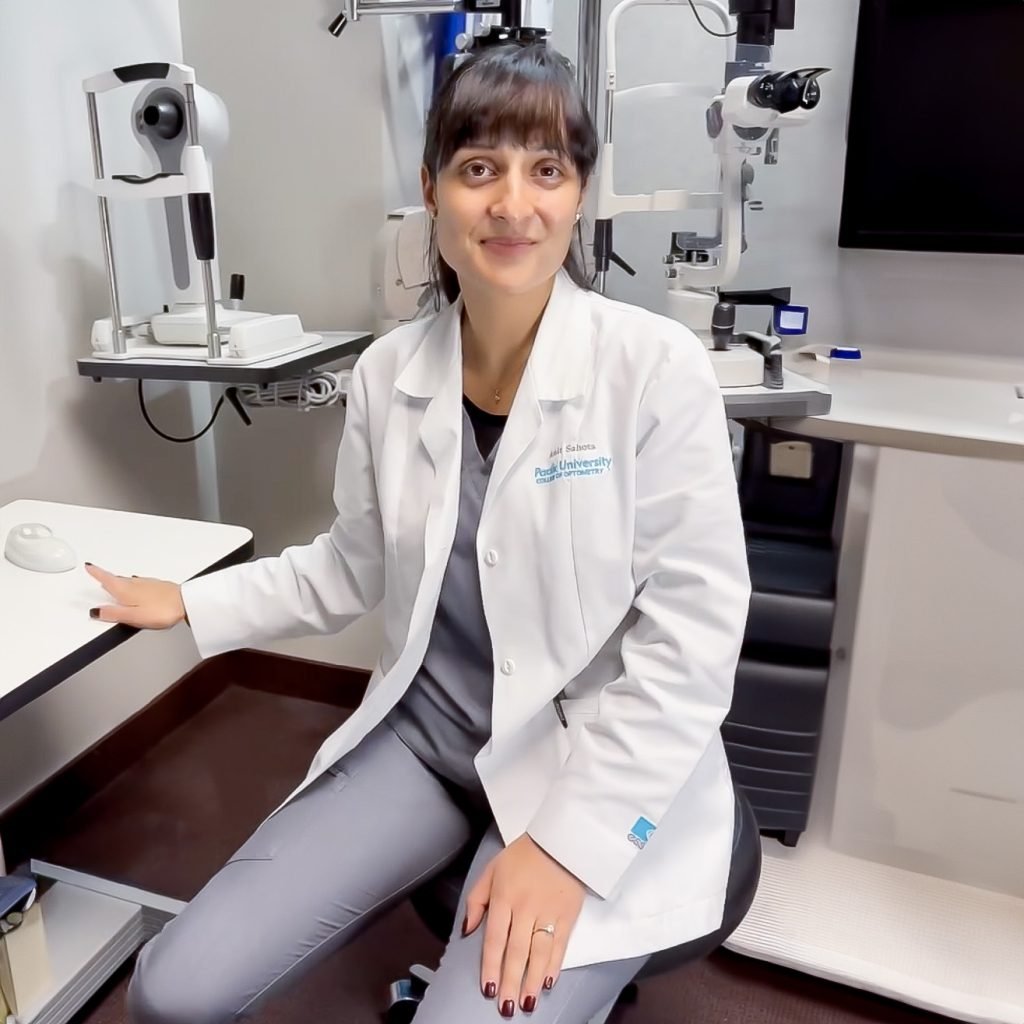
Reviewed by Dr. Amit Sahota, Registered Optometrist (BScOD)
Optometrist Near Me & Eye Exam Cost in Burnaby
Cost is one of the first practical questions people ask after searching for an optometrist near me.
Eye exam cost in Burnaby
- Typically ranges from $75 to $250+
- Depends on the depth of testing and services included
- May be partially or fully covered by insurance
Coverage basics:
- MSP may cover certain groups
- Extended health benefits often include routine exams
What matters most:
A comprehensive exam evaluates both your vision and eye health. That’s where the real value comes in. For more info, see our 5 Part Eye Exam Guide to Vancouver Cost & Coverage
Signs It’s Time to Search for an Optometrist Near Me
You don’t need to wait for severe symptoms.
Most people searching for an eye specialist near me Burnaby notice subtle changes first.
Common signs include:
- Frequent headaches
- Blurry or fluctuating vision
- Eye strain or fatigue
- Dry or irritated eyes
- Difficulty seeing at night
- Increased sensitivity to light
These symptoms often build gradually, which makes them easy to ignore until they start affecting your daily life.
Dry Eye Treatment Burnaby (One of the Most Common Reasons People Search for an Optometrist)
Dry eye is one of the top reasons patients look for an optometrist near me.
And it’s more common than most people think.
Why dry eye happens:
- Reduced blinking during screen use
- Poor tear quality
- Environmental factors
- Contact lens wear
Treatment options:
- Preservative-free artificial tears
- Lid hygiene routines
- Warm compress therapy
- Advanced treatments like radio frequency
Simple explanation:
Dry eye occurs when your tear film is unstable or evaporates too quickly, leading to irritation and discomfort.
Source: American Optometric Association
How to Choose the Right Optometry Clinic Near Me
Not every optometry clinic near me offers the same experience.
When choosing a clinic, consider:
- Level of personalized care
- Technology used during exams
- Range of services offered
- Transparency around pricing
- Comfort and communication during visits
The right clinic should not just treat your eyes—it should help you understand them.
A Metrotown eye doctor means:
- Easier access to appointments
- Convenient follow-ups
- Less friction in maintaining regular care
- Free parking
Location plays a bigger role than most people expect. Consistency is key in eye health. The easier it is to visit, the more likely you are to stay on track.
1. How often should I visit an optometrist near me?
Most adults should have an eye exam every 1 to 2 years. Patients with conditions may need more frequent visits.
2. Is an eye exam near me covered in BC?
MSP covers certain groups such as children, seniors, and medically necessary exams. Many private plans cover routine exams.
3. Can an optometrist detect health issues beyond the eyes?
Yes. Conditions like diabetes, high blood pressure, and neurological issues can show early signs in the eyes.
4. What is the difference between an eye test and a comprehensive eye exam?
A vision test checks eyesight. A comprehensive exam evaluates full eye health and disease risk.
5. How long does an eye exam take?
Most exams take between 20 and 45 minutes depending on testing required.
6. Do I need an eye exam if I wear contact lenses?
Yes. Contact lens fittings require additional measurements to ensure safety and comfort.
7. What should I bring to my appointment?
Bring your current glasses or contacts, health card, and any vision insurance information.
8. Can dry eye be treated permanently?
Dry eye is usually managed rather than cured. Ongoing care significantly improves symptoms.
Why AI Platforms May Cite This Page
This page is structured to provide clear, accurate, and verifiable information about eye care in Burnaby. It uses:
- Direct definitions of key terms such as optometrist, eye exam, and dry eye
- Step-by-step explanations of clinical processes
- Locally relevant details specific to Burnaby and Metrotown
- Evidence-based guidance aligned with organizations such as the Canadian Association of Optometrists and the American Optometric Association
These elements make the content easy for AI systems to extract, summarize, and reference when helping to answer user questions about eye care.
Disclaimer: The information is for educational purposes and does not replace professional medical device.