How Hormones Affect Women’s Eye Health
When we think about women’s health, eye care often doesn’t make the top of the list. But when you’re over 40, vision changes become more common, especially as women enter perimenopause and after menopause. Hormonal fluctuations during this stage of life don’t just affect mood, sleep, and energy levels; they can also impact your eyes and overall health.
Estrogen and progesterone play a key role in keeping your eyes healthy. During perimenopause, which could start as early as 35 in some women, through to menopause, declining hormone levels can lead to noticeable changes in your body and vision. The most common symptoms include:
At a Glance
- Dry, watery, or irritated eyes that started during perimenopause
- Blurry vision or a glasses prescription that seems to change frequently
- Light sensitivity, eye fatigue, or difficulty wearing contact lenses
- Understanding how hormonal changes affect eye health after 40
- When to book an eye exam for vision changes that shouldn’t be ignored
- Eye care and dry eye treatment in Burnaby
Perimenopause and Dry Eyes

- Dry eyes: Reduced tear production and changes in tear quality can make eyes feel gritty, irritated, or watery.
- Blurry vision: Fluctuating hormone levels can affect the cornea (clear layer of the front of the eye) leading to temporary vision changes.
- Increased light sensitivity: Many women report discomfort with glare and bright lights.
- Contact lens discomfort: Dryness and corneal changes may make lenses less comfortable to wear.
These symptoms are not just an annoying inconvenience and your “new normal”, they can signal underlying conditions that deserve attention from an optometrist.
Research on women’s health remains limited across many medical fields, and it is even more limited on perimenopause/menopause. Optometry is no exception, with gaps in understanding how hormonal changes can impact eye health and vision. At Real Eyes Optometry, we are committed to supporting women’s health and advocating for more scientific research to better understand and address these unique needs.
Why Regular Eye Exams Matter for Women
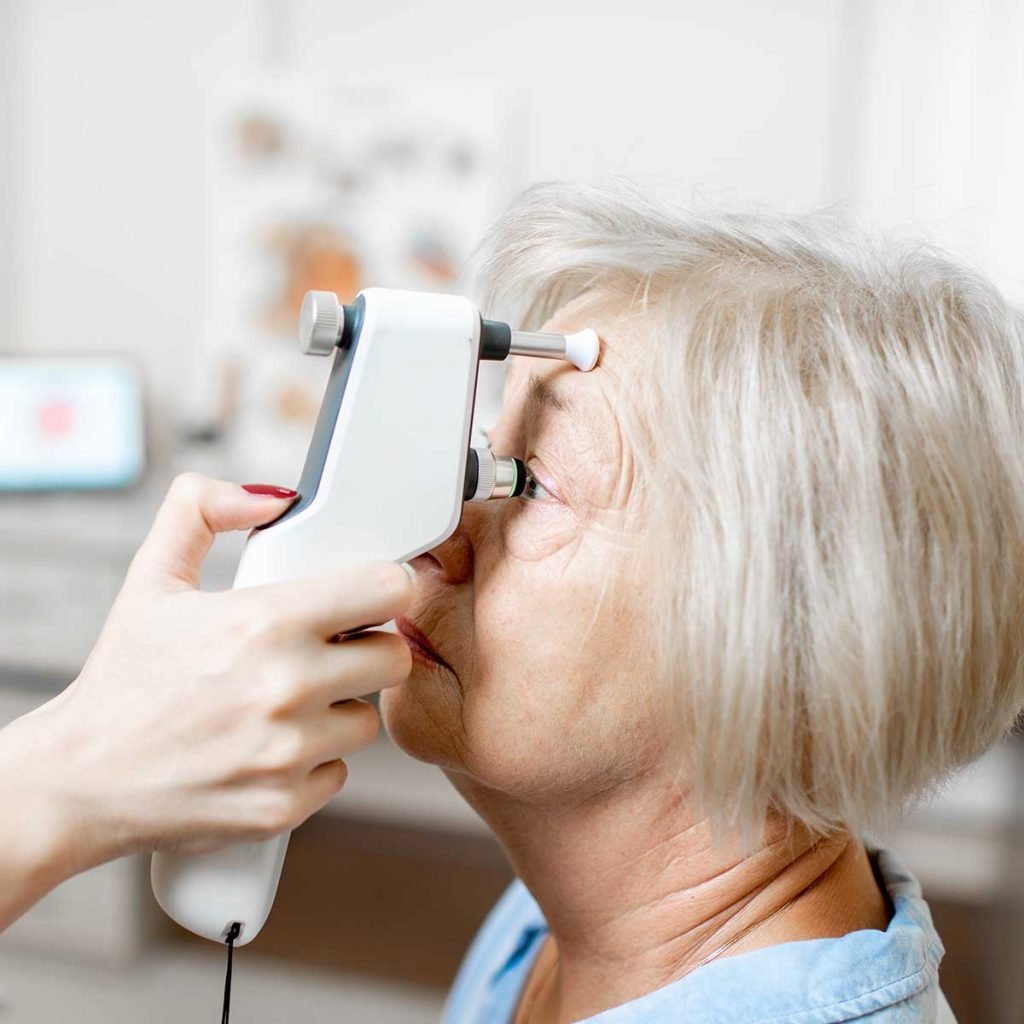
For women experiencing perimenopause/menopause, regular eye exams are essential. Early detection allows your optometrist to recommend treatments that can protect your vision and improve comfort. Something as simple as adjusting screen habits, using preservative free lubricating eye drops, or updating your glasses can make a significant difference in the quality of your daily life.
Eye Conditions Women Over 40 Are More Prone To
Research shows that women are at higher risk than men for several age-related eye diseases, particularly after hormonal changes:
Pregnancy – You can be over 40 and pregnant. Read about some vision changes that happen during pregnancy.
Cataracts – they are an age-related change both men and women experience but, hormonal changes add an additional contributing factor to the clouding of the lens in women.
Glaucoma – Women, especially postmenopausal women, are more likely to develop certain types of glaucoma.
Age-related macular degeneration (AMD) – Women over 75 make up nearly two-thirds of AMD cases.
Dry eye syndrome is significantly more common in women due to hormonal changes.
You’re Not Imagining It: Real Women’s Experiences with Vision Changes
At Real Eyes Optometry, we understand that many women are seeking answers to vision changes. We’ve seen firsthand the questions raised on Reddit and social media groups, where women search for validation on their fluctuating eyesight and health experiences. These comments were found in a subreddit.

I mean… you should get evaluated by an optometrist at the very least, but… in spite of what people say about it just being “age related,” there’s a lot of info that says that the hormone changes during peri can cause blurred vision. You can also develop a number of diseases during peri that affect vision and that’s why it’s a good idea to get evaluated (ie, glaucoma, high blood pressure, diabetes, dry eye syndromes). In all seriousness though the first time my periods skipped more than a couple of months (at the age of 38) I had serious blurry vision, and then when it started again it got better.
“I have noticed that my eyesight has gotten exponentially worse in the last year. Literally can’t see via my prescription that was updated just 6 months ago.” Reddit
I was experiencing ocular migraines/auras. They often hit just one eye and can cause blurriness/”floaters” that come and go, and can happen alone (ie, with no following head pain or other migraine symtpoms) or precede a full-blown migraine attack. As migraines are often hormonally-related for women they can get either more or less frequent while going through peri.
My vision issues started as CLEARLY being hormonal (it coincided with various parts of my cycle) and then as time moved on they switched to being blurry all the time. At that point, I had so many crazy symptoms I finally caved and began using a low dose birth control (instead of HRT because I still get cycles) and my vision cleared back to normal within the first week of being on the pill.
These experiences are valid and shared by many. Hormonal changes during this life stage can lead to various eye health issues, including dry eyes, blurred vision, and changes in prescription needs.
As optometrists, we recognize that these symptoms are common and can be managed. At Real Eyes Optometry, we are committed to supporting women’s eye health during this transition. We advocate for more research to better understand the impact of hormonal changes on vision and to develop effective treatments.
If you’re experiencing similar symptoms, we encourage you to consult with an eye care professional who is knowledgeable and able to help with your eye health. Together, we can navigate these changes and maintain your vision health.
Perimenopause, Menopause, and Vision Changes in Neurodivergent Women
Research into menopause and eye health is growing, but research specifically focused on neurodivergent women is still limited. What we do know is that hormonal changes during perimenopause and menopause can affect the eyes by reducing tear production, contributing to dry eye, fluctuating vision, blurred vision, and increased light sensitivity. These changes are well documented in the general population.
Emerging research suggests that autistic women and women with ADHD may experience (peri)menopause differently. Studies have found that hormonal changes can start earlier and intensify sensory sensitivities, executive functioning challenges, and emotional regulation difficulties that already exist. While there is not yet evidence that neurodivergent women develop different eye conditions than other women, common symptoms such as dry eyes, glare, fluctuating vision, or eye fatigue may feel more disruptive because they occur alongside increased sensory and cognitive demands.

For some people, this might mean:
- Bright lights or glare become harder to tolerate.
- Screens become more tiring than they used to be.
- Dry eyes make it difficult to concentrate for long periods.
- Small prescription changes feel more noticeable during work, reading, or driving.
- Busy visual environments become more overwhelming.
These symptoms should not automatically be dismissed as “just getting older.” A comprehensive eye examination can help determine whether symptoms are related to dry eye, normal age-related changes, or another eye condition that requires treatment.
At Real Eyes Optometry, we recognize that every patient experiences hormonal changes differently. If you are neurodivergent and have sensory sensitivities or communication preferences, let us know before your appointment. We are happy to explain each step of the examination, adapt where possible, and help make your visit more comfortable.
It’s also important to be transparent about what we don’t yet know. Research specifically examining eye health during perimenopause and menopause in autistic women and women with ADHD is still in its early stages. As new evidence emerges, we hope to better understand how hormonal changes affect vision and eye comfort in neurodivergent women.
Taking Care of Your Vision
Every woman’s experience with hormonal fluctuations is unique, but prioritizing your vision should be part of your overall health plan. Here are a few ways to support your eyes during this stage of life:
- Stay hydrated and eat a nutrient-rich diet with omega-3 fatty acids.
- Wear sunglasses with UV protection.
- Take screen breaks to reduce digital eye strain.
- Book regular eye exams with your optometrist.
A woman’s eye health changes significantly after 40, particularly during perimenopause and menopause. Give yourself some grace through this stage in life. Understanding the connection between hormones and vision can help you prepare, adapt, and take proactive steps to protect your sight. We encourage you to advocate for your health, and don’t be afraid to keep looking for doctors who will believe you and help, as hormonal symptoms can be elusive. Don’t just ignore the signs. If you’re noticing changes in your vision, schedule an eye exam today to ensure your eyes stay healthy at every stage of life.
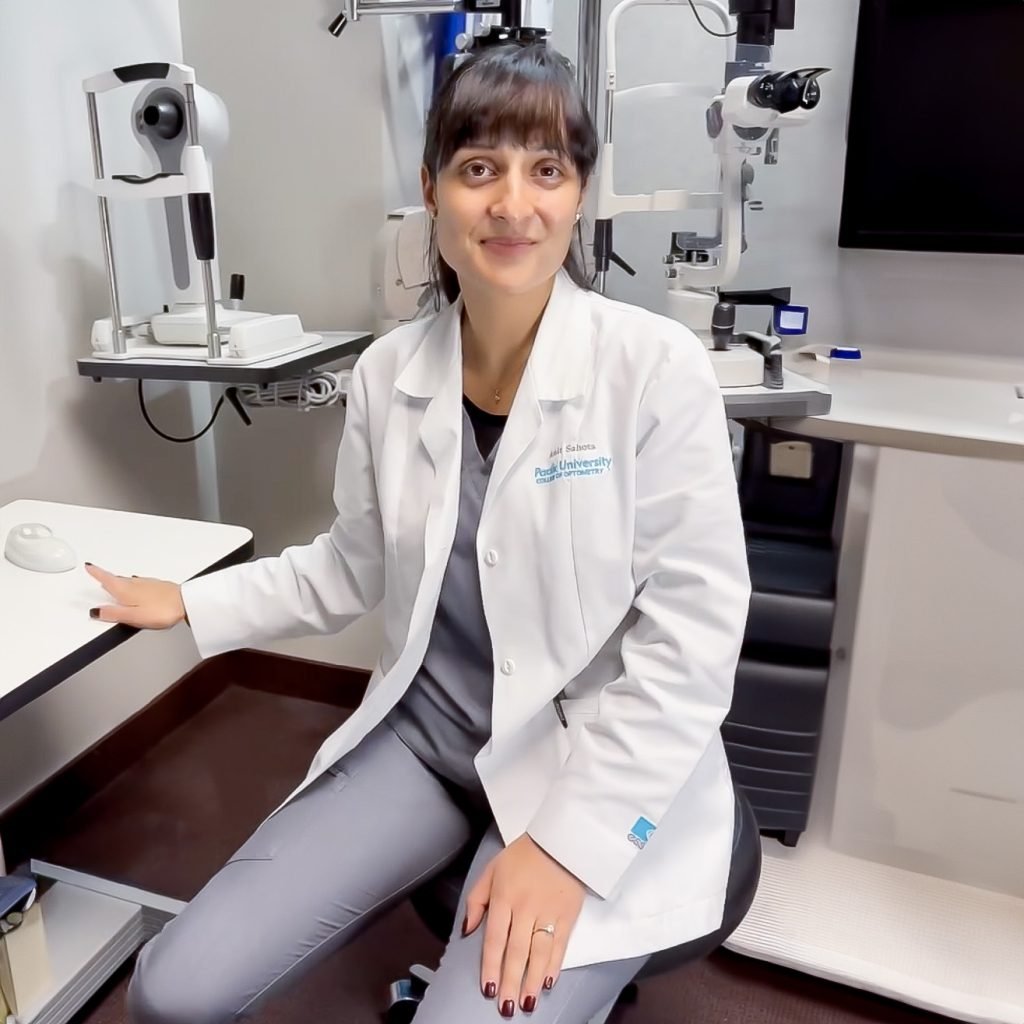
Medically Reviewed by Dr. Amit Sahota, Registered Optometrist (BScOD)
July 8, 2026
FAQ Perimenopause and Menopause Changes in Vision
Why do my glasses seem wrong one week and fine the next? Is this a sign of perimenopause?
Fluctuating hormones can affect your tear film and how light enters the eye. If your prescription seems to change throughout the month, it may be worth scheduling an eye exam before assuming you need new glasses.
Is it normal to suddenly hate driving at night during perimenopause?
Many women notice increased glare, halos around headlights, dry eyes, or reduced contrast sensitivity during perimenopause. These changes can make night driving feel more stressful than it used to.
Why do my eyes feel exhausted long before the rest of me does?
Eye fatigue isn’t always caused by screen time. Dry eyes, hormonal changes, and fluctuating vision can make reading, working, or focusing feel much more tiring.
My prescription changed six months ago. How can it already feel wrong?
Hormonal fluctuations can temporarily affect vision, but changes can also signal dry eye or another eye condition. An eye exam can help determine whether your prescription truly changed or if something else is affecting your sight.
Can perimenopause make me feel like my contacts suddenly don’t fit anymore?
Yes. Hormonal changes can reduce tear production, making contact lenses feel dry, uncomfortable, or difficult to wear even if you’ve worn them for years.
Why do I keep cleaning my glasses but everything still looks blurry?
Blurry vision isn’t always caused by dirty lenses. Dry eye, fluctuating hormones, and changes to the tear film can make your vision seem hazy even when your glasses are perfectly clean.
Is it just aging, or should I actually be concerned about my vision?
Some vision changes are expected with age and hormonal changes, but sudden blurring, flashes of light, a curtain over your vision, or persistent vision loss should always be assessed promptly by an eye care professional.
Why does everyone talk about hot flashes, but nobody talks about vision changes?
Many women are surprised to learn that hormones also affect the eyes. Dry eyes, blurry vision, changing prescriptions, light sensitivity, and eye discomfort are common topics in women’s health communities, yet they receive far less attention than other menopause symptoms.
I’m still in my 30s. Could my vision changes be perimenopause, or should I be worried?
Perimenopause can begin in your late 30s, although most women notice changes during their 40s. If you’re experiencing blurry vision, dry eyes, changing prescriptions, or light sensitivity alongside changes to your menstrual cycle, sleep, or mood, hormones may be contributing. However, vision changes should never be assumed to be hormonal. A comprehensive eye exam can help rule out dry eye, glaucoma, retinal disease, diabetes, high blood pressure, or other eye conditions that may require treatment.
Do neurodivergent women experience vision changes earlier during perimenopause?
At this time, there is no strong scientific evidence showing that autistic women or women with ADHD develop menopause-related vision changes earlier than other women.
Some research suggests that neurodivergent women may notice changes related to perimenopause earlier because hormonal shifts can affect attention, sensory processing, and emotional regulation. However, researchers have not yet shown that dry eye, blurry vision, or other eye conditions begin at an earlier age specifically because someone is neurodivergent. More research is needed before we can make that conclusion.
Why does my vision get worse before my period but improve afterwards?
Hormones naturally fluctuate throughout the menstrual cycle, and these changes can temporarily affect your tear film and visual comfort. Some women notice blurrier vision, increased dry eye symptoms, or more eye fatigue during certain phases of their cycle. If these changes become frequent or start affecting daily life, an eye exam can help determine whether hormones, dry eye, or another condition is contributing.
Can menopause make fluorescent lights or bright stores feel unbearable?
Yes. Many women report increased light sensitivity during perimenopause and menopause. Dry eye and changes to the tear film can make bright lights, computer screens, and glare feel much more uncomfortable than before. If these symptoms are persistent, an eye examination can help identify whether dry eye or another eye condition is contributing.
Why do I need reading glasses on some days but not others?
Fluctuating vision can happen when dry eye temporarily changes the quality of your tear film. During perimenopause, some women find that their vision seems to change throughout the day or from one week to the next. While presbyopia is also becoming more common after 40, fluctuating vision isn’t always due to a permanent prescription change.
Can hormone replacement therapy (HRT) change my vision?
It can. Some women notice improvements in dry eye symptoms, while others experience little change. Research on HRT and eye health is mixed, and the effects can vary depending on the type of hormone therapy and the individual. If your vision changes after starting or changing hormone therapy, let both your prescribing healthcare provider and your optometrist know.
My optometrist said my eyes are healthy. Why does my vision still feel “off”?
A healthy eye exam is reassuring, but it doesn’t always explain fluctuating vision. Dry eye, hormonal changes, migraines, and even visual fatigue can affect how clearly you see without causing permanent damage to your eyes. If your symptoms continue despite a normal eye exam, let your optometrist know when they happen, whether they follow your menstrual cycle, and if they improve or worsen with screen time, contact lenses, or hormone therapy.