How to Read My Eye Prescription
You know that moment right after an eye exam when you’re holding a printout that looks like a math quiz. Naturally, you’re asking yourself, “How bad is my eye prescription?” Don’t worry, you’re not alone.
Many people feel confused when trying to decipher their vision prescription. The good news? We’re here to make it simple and easy to understand. By the end of this guide, you’ll not only know what those numbers mean but also how they reflect your vision needs.
As a trusted optometry clinic in Metrotown, Burnaby, we’re passionate about providing expert care and ensuring our patients feel informed. Let’s break down everything you need to know about your eye prescription, from the basics to the more advanced details.
At a Glance
What your prescription is really saying
- The sign matters: “Minus” means nearsighted (myopia), and “plus” means farsighted (hyperopia).
- The number matters: bigger absolute numbers mean stronger lenses.
- CYL and Axis show astigmatism correction.
- Each eye can be different, and that is common.
- “Strong” is not the same as “dangerous,” but high myopia can come with extra eye health risks that your optometrist will monitor.
Prescription Legend (cheat sheet)
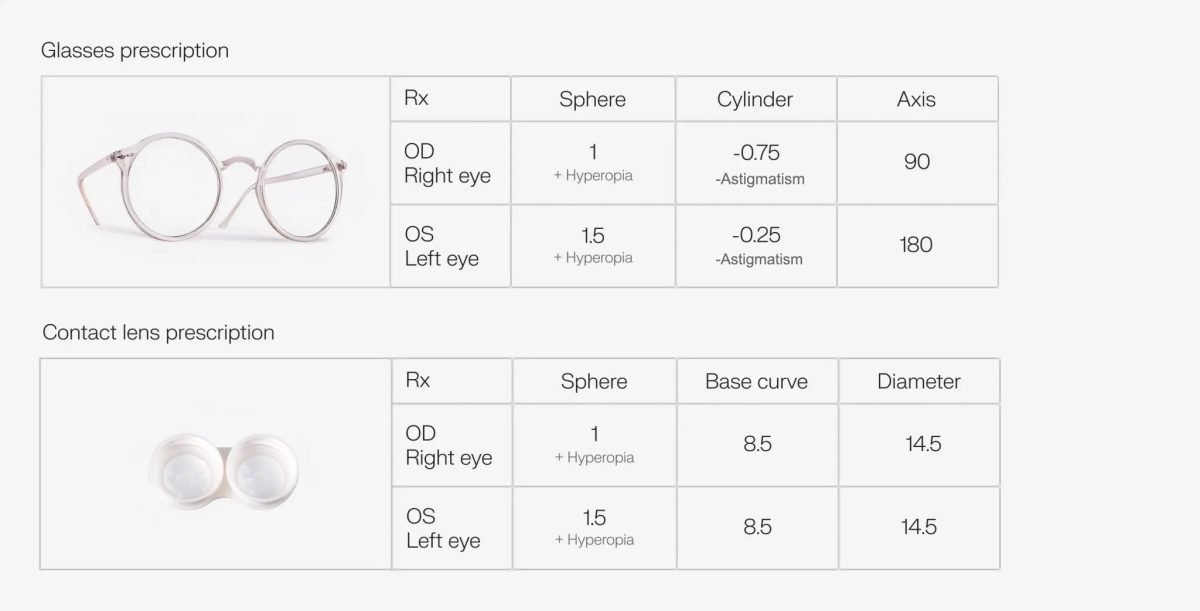
OD / OS: right eye / left eye
SPH: main nearsighted or farsighted correction
CYL: astigmatism amount
Axis: astigmatism direction
ADD: reading boost for close work (common with age)
Prism: helps eye alignment when eyes do not team smoothly
If you want, bring your prescription in, and we will tell you what each value means and how it can impact your vision for screens, driving, reading, and be associated with headaches.

Reviewed by Dr. Amit Sahota, Registered Optometrist (BSc, OD)
How Bad Is My Eye Prescription? The Basics
Before diving into specifics, it’s important to understand the general rule: the higher the numbers on your prescription, the stronger the corrective lenses you’ll need for clear vision. Here’s a quick breakdown:
- Mild: -0.50 to -3.00
- Moderate: -3.25 to -5.75
- High: -6.00 to -10.00
- Extreme: Greater than -10.00
For farsighted individuals, prescriptions will have a “+” sign, while nearsighted individuals will see a “-” sign. But what do these numbers really mean in your daily life? Let’s explore.
Understanding Your Glasses Prescription in 3 Steps
1. OD OS Meaning
One of the first things you’ll notice is the use of “OD” and “OS” on your prescription.
- OD (Oculus Dexter): Refers to your right eye.
- OS (Oculus Sinister): Refers to your left eye.
These terms are Latin, but a simple way to remember them is to think of “D” as your “dominant” side (most people are right-handed, so the right eye is listed first).
2. SPH Meaning: Nearsighted vs. Farsighted
SPH (sphere) indicates the strength of the lens required to correct your vision. It measures how nearsighted (myopic) or farsighted (hyperopic) you are:
- Negative (-) SPH: You are nearsighted, meaning distant objects appear blurry.
- Positive (+) SPH: You are farsighted, meaning nearby objects are blurry.
Why does this matter? Knowing your SPH tells you how your eyes focus light and whether you need glasses to correct for near or far distances.
3. What Is ‘Axis’ in Eye Prescription? Breaking Down Astigmatism
If your prescription includes CYL and Axis, that means you have astigmatism correction.
Astigmatism is basically a shape issue. Instead of being perfectly round, the front of the eye focuses light unevenly, so things can look smeared, shadowed, or stretched.
- CYL (Cylinder): how much astigmatism correction you need
- Axis: the direction of that correction, from 1 to 180 degrees
Important detail people miss:
- Axis only matters if there is CYL. If CYL is blank or 0.00, Axis is irrelevant.
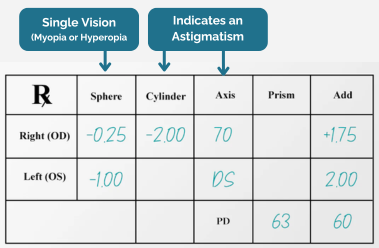
Astigmatism can change over time, and regular eye exams help keep your glasses prescription accurate and comfortable for daily life and night driving.
More about astigmatismFor example:
- Axis 180: Your vision may blur horizontally, making text appear clear in the middle but fuzzy at the edges.
- Axis 90: Your vision blurs vertically, making everything appear generally unclear.
Legally Blind Prescription: What Does It Mean?
Legal blindness in Canada is based on your best corrected vision and or your visual field, not simply the diopter number on your glasses prescription. CNIB describes legal blindness as:
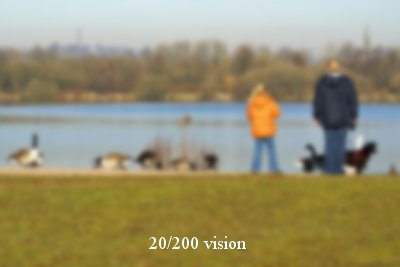
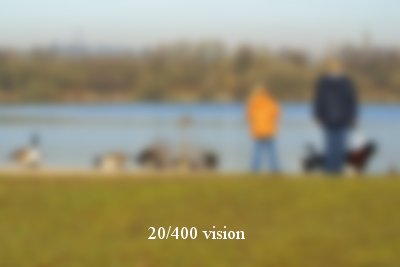
- visual acuity of 20/200 (6/60) or less after correction, and or
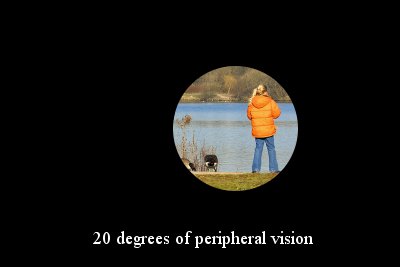
- visual field of 20 degrees or narrower
So yes, someone can have a high prescription and still see very well with the right lenses.
Their corrected vision is 20/200 or worse in their better eye.

To put this into perspective:
- -1.00 SPH: Equivalent to about 20/40 vision.
- -3.00 SPH: Equivalent to about 20/160 vision.
- -5.00 SPH: Equivalent to about 20/400 vision.
Legal blindness is not determined by your prescription strength. It is based on best corrected vision and or visual field. If you are concerned about legal blindness, your optometrist can measure your corrected vision and visual field and explain what the results mean in a Canadian context.
When a strong prescription matters for eye health
This is the part where optometrists get a little more serious.
High myopia is linked with increased risk of certain eye conditions like retinal detachments, and later in life, conditions such as glaucoma, cataracts, and myopic maculopathy. Glasses and contacts correct the blur, but they do not remove those longer-term risks, which is why regular eye health checks matter.
If your prescription is in the high range, annual eye examinations are appropriate, unless recommended otherwise by your optometrist.
Red Flag Signs Signalling that You May Need a Stronger Prescription
Vision changes often happen gradually, so it can be hard to notice when glasses or contact lenses are no longer matching your needs. An outdated prescription can contribute to headaches, eye strain, and reduced comfort, especially with screens and night driving. The signs below are common reasons to recheck your glasses prescription.
Frequent Headaches
If you’re experiencing regular headaches, particularly around your forehead, temples, or behind your eyes, your prescription may be to blame. When your lenses no longer match your vision needs, your eye muscles overcompensate, leading to persistent strain. An updated prescription relieves this tension, eliminating those nagging headaches.
Constant Squinting
Squinting is your eyes’ way of forcing better focus, but it’s not a long-term solution. If you find yourself squinting regularly at screens, while driving, or reading, your current prescription isn’t doing its job. Updated lenses provide clear vision without the strain.
Eye Fatigue & Discomfort
Do your eyes feel tired, dry, or achy after screen time or reading? Outdated prescriptions force your eyes to work harder than they need to, leading to fatigue. Modern lenses designed for digital use can also help reduce blue light strain.
Blurry Vision (Near or Far)
Struggling to read street signs? Blurriness at any distance is one of the clearest indicators that your prescription has changed. Whether due to nearsightedness, farsightedness, or astigmatism, properly adjusted lenses restore sharp focus so you can see effortlessly.
Difficulty with Night Vision
If nighttime driving has become challenging due to halos, glare, or poor contrast, your prescription may need adjustment. Specialized lens coatings can also enhance clarity and reduce dangerous glare after dark.
Don’t Wait, Prioritize Your Eye Health
Clear vision is about more than just seeing well; it’s about comfort, safety, and preserving your eye health. At Real Eyes Optometry, our comprehensive eye exams ensure your prescription is perfectly tailored to your current needs.
Real Eyes Optometry
Real Eyes Optometry is centrally located in Metrotown Mall. Our convenient location includes free, accessible parking and the ability for parents to complete errands without driving all over the city.
Consider being able to run to a grocery store, make a clothing return, and grab a quick bite, all while your child is having an eye exam. Of course, accompanying your kid during their eye exam is always a good idea. For details on how to find us, click here.

Dr. Sahota has a special interest in dry eye care and advanced in clinic treatments, including radio frequency technology, and is known for providing thorough, personalized dry eye consultations in multiple languages.

Dr. Pati enjoys caring for patients of all ages, with a particular passion for family eye care and pediatric eye health, helping kids build strong visual habits early in life.

Dr. Wang is highly experienced in contact lens fitting, with a special focus on specialty lenses, and has helped many patients who thought they could never wear contacts comfortably.
Disclaimer: This information is for educational purposes and does not replace professional medical advice
FAQ: Understanding Your Glasses Prescription
Is a higher eye prescription always considered “bad”?
No. Higher usually just means stronger correction is needed. With the right lenses, many people see sharply and comfortably.
How do I know if my eye prescription is considered mild or severe?
Prescription strength is measured in diopters. Mild prescriptions typically fall below ±3.00, while stronger prescriptions exceed ±5.00. However, the impact on daily life depends on how well your lenses correct your vision and whether other factors, like astigmatism, are present.
Why does my prescription look different for each eye?
It’s very common for each eye to have a different prescription. Differences between the right (OD) and left (OS) eye are normal and help ensure balanced, comfortable vision when both eyes work together.
What does it mean if my prescription includes CYL and Axis numbers?
CYL and Axis indicate astigmatism, which affects how light enters the eye. These values help your optometrist fine-tune your lenses so images appear sharp rather than distorted or stretched.
Can my eye prescription change even if I don’t notice vision problems?
Yes. Vision changes often occur gradually, making them hard to detect. Regular eye exams are important because subtle prescription shifts can cause eye strain, headaches, or fatigue before obvious blurriness appears.
Does having a strong prescription mean my eyesight will keep getting worse?
A strong prescription does not automatically mean your vision will continue to deteriorate. Many people stabilize over time, especially with consistent eye care and properly updated corrective lenses.
Is it possible to be legally blind with glasses or contacts?
Legal blindness is determined based on corrected vision. If vision remains 20/200 or worse, even with glasses or contact lenses or if the visual field is significantly reduced, an individual may be classified as legally blind.
When should I get my glasses prescription rechecked?
Most adults should have their eyes examined every one to two years, or sooner if they experience headaches, blurry vision, squinting, or difficulty seeing at night. Regular exams ensure your prescription stays accurate and comfortable.
What is SPH meaning on a glasses prescription?
SPH stands for sphere. It is the main number that corrects nearsightedness (minus) or farsightedness (plus). A larger absolute SPH value usually means a stronger glasses prescription, but it does not automatically mean there is an eye health problem.
How do I know if my eye prescription is strong?
Many people use “strong” to mean a higher diopter number, such as a higher minus for myopia or a higher plus for hyperopia. Strength is about how much correction is needed for clear focus. Your optometrist also considers eye health, symptoms, and whether your prescription is changing quickly, not just the number itself.
What does a minus or plus sign mean on my eye prescription?
A minus sign means myopia (nearsightedness), which causes blur at distance. A plus sign means hyperopia (farsightedness), which can cause blur up close, eye strain, or headaches with reading and screens. The sign helps explain which direction the lens needs to shift focus.
What is axis in an eye prescription, and why does it matter?
Axis is part of astigmatism correction. It describes the orientation of the correction and is written as a number from 1 to 180. Axis only matters when CYL is present, because the axis tells the lens where to place the astigmatism correction.
What does CYL mean in an eye prescription?
CYL stands for cylinder. It indicates how much astigmatism correction is needed to sharpen and stabilize vision. If CYL is blank or 0.00, your prescription does not include astigmatism correction in that eye.
Is my contact lens prescription the same as my glasses prescription?
A contact lens prescription is not the same as a glasses prescription. Contact lenses sit directly on the eye, so the power, fit, and astigmatism values can differ from your glasses prescription. Your optometrist will prescribe contact lenses based on both vision and the health of the cornea.
Can dry eyes affect my glasses prescription results?
Yes. Dry eye can cause fluctuating vision and inconsistent measurements, especially later in the day or after heavy screen use. If your vision varies during the exam, your optometrist may stabilize the tear film first, then confirm the prescription so the glasses prescription is more reliable.
Can my eye prescription change even if I do not notice blur?
Yes. Prescription changes can happen gradually, and the brain can compensate until symptoms show up. Some people notice the change as headaches, eye strain, or increased glare when night driving before they notice an obvious blur. Regular eye exams help catch these shifts early.
Why does my glasses prescription look different from last year?
Changes can be related to normal refractive shifts, visual demands (especially screens or near work), dry eyes, or changes in how the eyes focus together.
Canadian Sources
CNIB, What is legal blindness
Canadian Association of Optometrists, Astigmatism
Canadian Association of Optometrists, Myopia
HealthLinkBC, Vision tests and eye exams