Just as children’s height, skills, and personality evolve as they age, so do their eyes. Vision changes occur naturally, and their eyes grow along with their bodies, which is why it’s important to book your children’s eye exam yearly until age 18. Back-to-school eye exams in Vancouver are especially recommended because clear vision is directly linked to success in the classroom and beyond.

Undetected vision issues can impact reading, writing, sports, and even screen time. Many kids don’t realize they’re struggling to see, which is why a professional eye exam is the best way to catch changes early. By booking a yearly back-to-school eye exam, parents can give their children a confident start to the school year and support long-term eye health.
As children move through school in 2025, the demands on their vision are greater than ever. Beyond smaller print in textbooks, kids now spend extended hours on digital devices for homework, online research, and virtual learning tools. Increased screen time, combined with more intensive reading and studying, places extra strain on their eyes. Since children rely on clear vision to keep up with lessons, complete assignments, and participate fully in class and activities, regular eye exams are essential to catch changes early and help them excel academically and socially.
What You Can Discover During Back to School Eye Exams
A comprehensive children’s eye exam goes far beyond checking if your child needs glasses. It can reveal important details about their overall eye health and how well their visual system supports learning and development. Some of the things an eye exam can detect include:
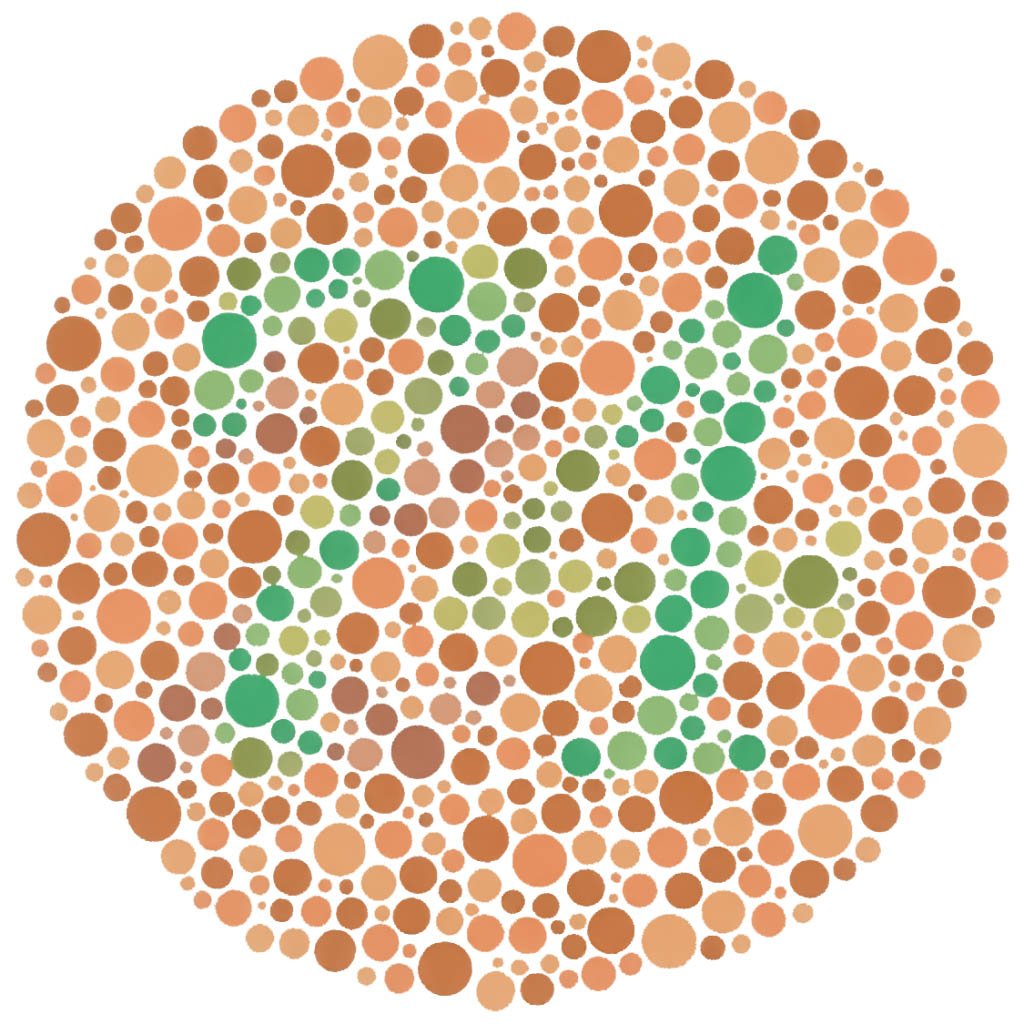
Color Blindness: Testing can identify whether your child struggles to distinguish certain colors, which can impact classroom activities and early learning

Reading Disorders: Eye exams can rule out vision-related issues that may contribute to reading difficulties. While not a substitute for a learning assessment, they can identify whether blurred vision, tracking issues, or eye teaming are affecting reading
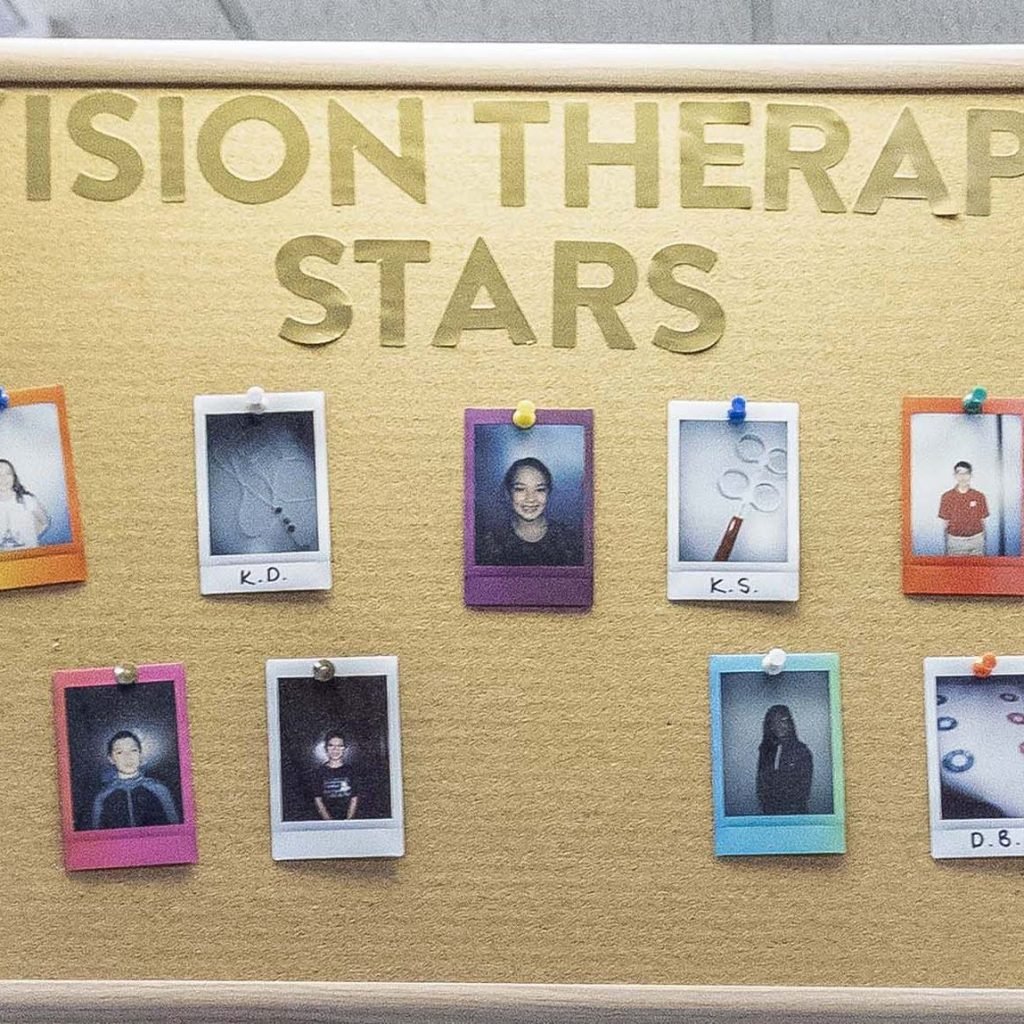
Visual Processing Issues: These occur when the brain has trouble interpreting what the eyes see, leading to difficulties with comprehension, memory, or spatial awareness. Here is an online test and more info.
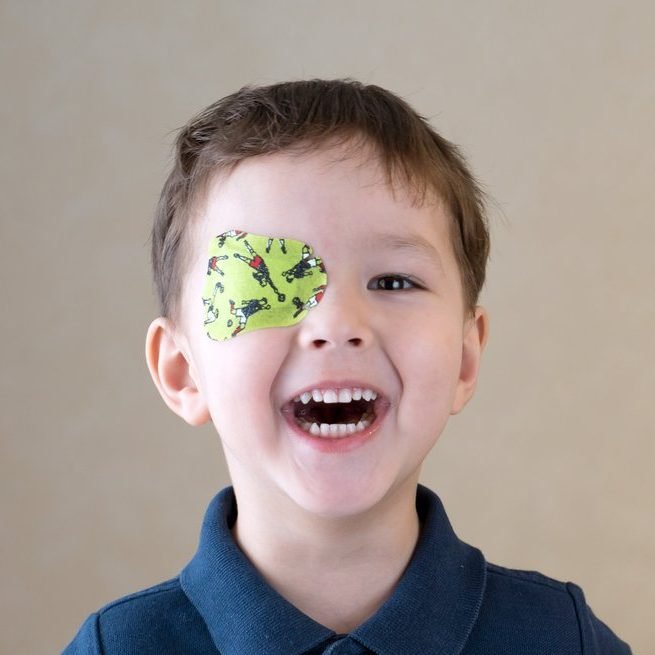
Depth Perception & Eye Coordination: Tests can uncover problems that make sports, handwriting, or everyday activities more challenging
By using specialized charts, graphs, and even visual illusion tests, optometrists can better understand how a child’s eyes and brain work together. Early detection of these issues gives parents the tools to support their child both in and out of the classroom.

Proof Comprehensive Children’s Eye Exams are Important
It’s not just the obvious signs of vision issues in children such as difficulty reading a blackboard or squinting, the not-so-obvious signs can often be misidentified as behavioral problems or learning disabilities. Imagine if just by visiting an optometrist near you for a yearly comprehensive children’s eye exam, you can provide them with clear and comfortable vision needed to meet the demands of school and enjoy the highest quality of life.
A yearly children’s eye exam is important because it:
- Allows your child to perform better at school activities
- Helps find conditions such as lazy eye, which can be treated effectively, if caught early
- Ensures normal vision development
- Detects and prevents progression of vision issues
- Ensures good eyesight which is essential for all aspects of life such as reading, writing, playing, and walking
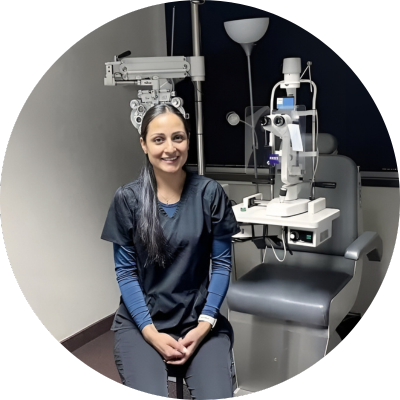
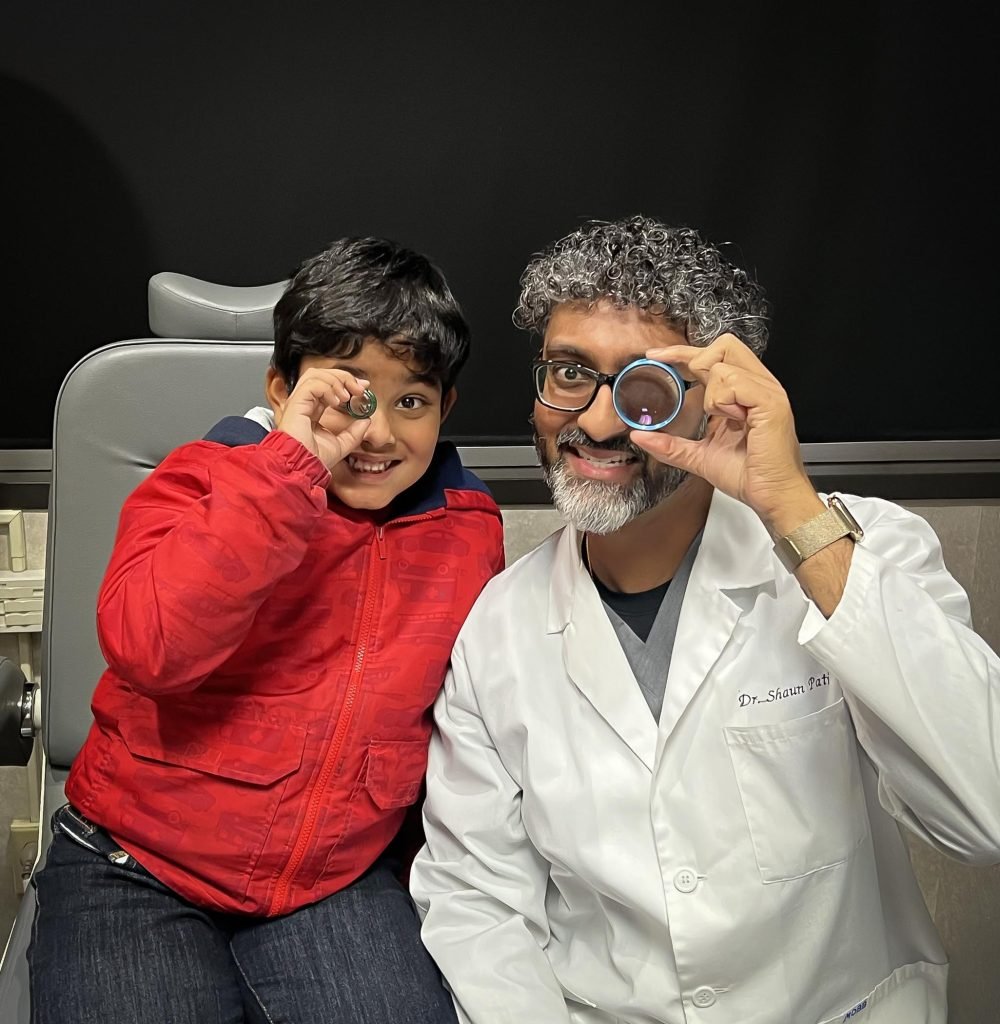
Why trust our advice? Dr. Shaun Pati has been acknowledged by threebestrated.ca in their Pediatric Optometry category for the last 6 years, but that’s not why you should book with us.
Top 3 Vision Red Flags Requiring a Children’s Eye Exam
1. Eye Appearance
While these symptoms on their own, or even collectively, may not seem concerning, our eyes are one of the most complex organs in our body and often show signs of other health concerns.
Q: How do I know if my child needs an eye exam?
A: Some signs that your child may need a professional eye exam include:
- One eye turns in, out, up, or down—this is also called eye misalignment or strabismus, this can affect vision development if not addressed early.
- Reddened eyes or eyelids – Persistent redness may indicate irritation, infection, or other eye conditions.
- Eyes tear excessively – Excessive tearing can signal blocked tear ducts, allergies, or other underlying issues.
- Excessive blinking – Frequent blinking may indicate eye strain, dryness, or focusing problems.
If you notice any of these signs, scheduling a pediatric eye exam can help detect issues early and ensure your child’s vision supports learning and daily activities.
Regular Children’s Eye Exams Help Prevent Vision Issues
Did you know 75% of vision loss can be treated or prevented? Below are the most common vision issues children can develop.
Ocular Motor (eye tracking)
Strabismus (crossed eyes)
Astigmatism (irregular eye)
Convergence (eye teaming)
Hyperopia (farsightedness)
Myopia (nearsightedness)

2. Behavioral Signs of Visual Problems
Behavioral changes are often the child’s way of coping with a vision issue. A child isn’t likely to tell you or a teacher that they are experiencing a vision problem, as they may believe the way they see is the way everyone else sees. Watch out for any of the following behavioral signs that could indicate a vision problem and would prompt an eye exam:
- Squinting and headaches
- Closes or covers one eye
- Tilts head while doing activities that are near (50cm away from eyes)
- Feels objects rather than looking at them
- Avoids looking at books and puzzles, prefers toys they can handle
- Rubs eyes frequently during or after short periods of visual activity
- Difficulty copying from the board to their paper
- Holds books too close to face or holds face too close to desk surface
- Sits very close to the TV (when repeatedly moved back)
- Coloring: cannot stay within the lines (age dependent) or ignores the lines when coloring
- Head turn with distance or near visual activities
- Lack of interest in reading
3. Developmental Concerns
Vision is vital in our ability to understand and respond to what we see. Healthy vision is more than just seeing clearly, visual skills like tracking a moving object or the ability to shift focus from distant to near objects are important in supporting academic success.
For example, if your child is having difficulty recognizing colors, learning letters or numbers, a comprehensive children’s eye examination will help rule out a vision problem.
Peace of Mind with Real Eyes Optometry
If you are looking to book a pediatric eye exam or trying to find a new eye doctor great with kids, it is a personal choice that needs to work long-term for you and your family. You can bring your entire family to Real Eyes Optometry with confidence.