At a Glance:
If you searched how to get rid of pink eye fast, start here. These pink eye remedies support conjunctivitis treatment at home while you figure out whether this is viral, bacterial, allergies, or pink eye vs dry eye. The most common types are:
- Viral: watery, gritty, often associated with a cold/flu, antibiotics do not help
- Bacterial: thicker yellow or green discharge, lashes crusted and stuck, antibiotics may help
- Allergic: very itchy and watery, usually both eyes, not contagious
- Irritant or dry eye flare: burning and watering after wind, smoke, screens, chlorine
Do this today
- Stop contact lenses, wear glasses
- Cold compress for 5 to 10 minutes
- Preservative-free artificial tears
- Do not rub your eyes
- Do not share towels, pillowcases, makeup, or drops
- Skip redness reliever eye drops
Book an urgent eye exam if:
Contact lens wearer, significant pain, light sensitivity, blurry vision, injury or chemical splash, swelling around the eye, or symptoms worsening after 48 hours.
Pink eye, or conjunctivitis, is one of those conditions where symptoms exacerbate fast. One minute you are fine, the next you wake up with itchy, and watery eyes that are so red you look like you have not slept in a week.
Also, yes, I grew up watching Knocked Up. So I know exactly what a lot of people think they know about pink eye, that you get it from someone farting on your pillow. The scene is funny, but the real story is way less exciting and way more practical.
What is pink eye really, and why should you care?
Pink eye is inflammation of the conjunctiva, also called conjunctivitis. The conjunctiva is the thin, clear tissue over the white of the eye and inside the lids. When it gets irritated or infected, the surface looks red and feels gritty or watery. The right conjunctivitis treatment depends on the cause, and sometimes what people call pink eye is actually dry eyes.
Diagnosing conjunctivitis is important, and it’s usually one of these:
- Viral conjunctivitis (common with colds, very contagious, often watery)
- Bacterial conjunctivitis (more discharge, lids can stick together in the morning)
- Allergic conjunctivitis (itchy, often both eyes, seasonal or triggered by pets, dust, etc)
- Irritant conjunctivitis (smoke, chlorine, cosmetics, dry eye flare-ups)
Knowing which one you have will determine you how to get rid of it faster, and how to avoid spreading it to your family, coworkers, or your kid’s entire classroom.
Which Type of Pink Eye Do I Have?
There are a few common types of conjunctivitis, and they do not all get treated the same way. Viral conjunctivitis spreads easily through hand-to-eye contact and shared items. Bacterial conjunctivitis often comes with thicker discharge. Allergic conjunctivitis is itchy and not contagious. Knowing the type will help you figure out how to get rid of pink eye fast, and prevent you from using the wrong pink eye remedies.
Bacterial Pink Eye Symptoms
- Sticky green or yellow eye discharge
- Eyelids may be stuck together in the morning
Viral Pink Eye Symptoms
- Watery, clear eye discharge
- Recent or current cold or flu, causing a sore throat or runny nose
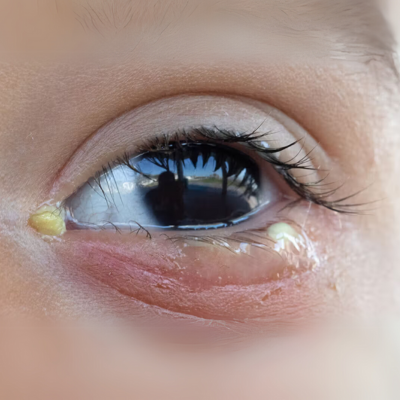
Treatment for Bacterial infection: If your pink eye is bacterial, an optometrist may prescribe an antibiotic or antibiotic combination eye drop for a short period of time.

Treatment for viral conjunctivitis: most cases are supportive care, cold compresses, and preservative free artificial tears for comfort. Many people start feeling better over 7 to 14 days, sometimes longer. Steroid drops are only used in specific cases and should only be started after an optometric eye exam.
Pink Eye Red Flags: When to seek urgent care
Most cases of pink eye improve with home care, but a painful red eye is not something to power through. If you are unsure whether it is pink eye vs dry eye, get checked, because these conditions can look similar early on and dry eye treatment vs conjunctivitis treatment can differ.
Book a same-day assessment if you have:
- moderate to severe eye pain
- light sensitivity
- blurred vision that does not clear after wiping the discharge
- are a contact lens wearer with a red eye
- swelling around the eye, or trouble opening the eye
- symptoms worsening or not improving after 48 hours
Go to the ER or Optometrist now if:
- You had a chemical splash in the eye
- You had eye trauma, something hit your eye hard, or something may be stuck in the eye
- You have severe pain plus a vision change
- There is new swelling around the eye, or you cannot keep the eye open
If you are not sure what you are dealing with, it is better to get checked than to keep trialing drops at home. You can also call 8-1-1 in BC for guidance on where to go, but contact lens wearers with pain should be seen urgently.
Quick At Home Pink Eye Remedies
If you want relief today, start with simple pink eye remedies that calm the surface and reduce spread. These steps support how to get rid of pink eye fast without making the eye angrier.
- Preservative free artificial tears: Use preservative free artificial tears to soothe irritation, rinse discharge, and keep the surface comfortable.
- Cold compress: 5 to 10 minutes at a time for itch and swelling, especially for viral conjunctivitis and allergies.
- Warm compress, only if lids are stuck: Warm can help loosen crusting, but if the eye is puffy and itchy, cold usually feels better.
- Hygiene: Wash hands often, change pillowcases, and do not share towels, makeup, or eye drops.
- Contacts: Stop contact lenses, through out your current contact lenses, cases and solutions, and wear glasses until the eye is fully quiet again.
- Cosmetics: Toss any mascara, eyeliner, or lashes that were used while the eye was actively irritated or goopy.
Prevention Tips to Keep Pink Eye at Bay
Now that you have a clear path on how to get rid of pink eye fast and efficiently, it’s probably not something you want to experience again. And since pink eye is highly contagious, taking the right precautions can help you, your friends, and your family avoid it as well. These tips are simple and easy to follow:
- Wash Your Hands Regularly. This is the easiest and most effective way to stop the spread of bacteria and viruses.
- Avoid Touching Your Eyes. Rubbing your eyes can introduce irritants and infectious agents, increasing your risk.
- Don’t Share Personal Items. Keep towels, makeup, and pillowcases to yourself to prevent cross-contamination.
Want to Go the Extra Mile?
- Clean and Disinfect Surfaces. Regularly wipe down frequently touched items like doorknobs, phones, and keyboards.
- Daily Lid Wipes. Eyelid cleansers such as I-LID ‘N LASH and I-LID’ N LASH PLUS work similarly to makeup remover wipes! Easy to use, simply run the cleansing pad along the lash-lid margin of a closed eye. No need to wash the eyes and lids after use!
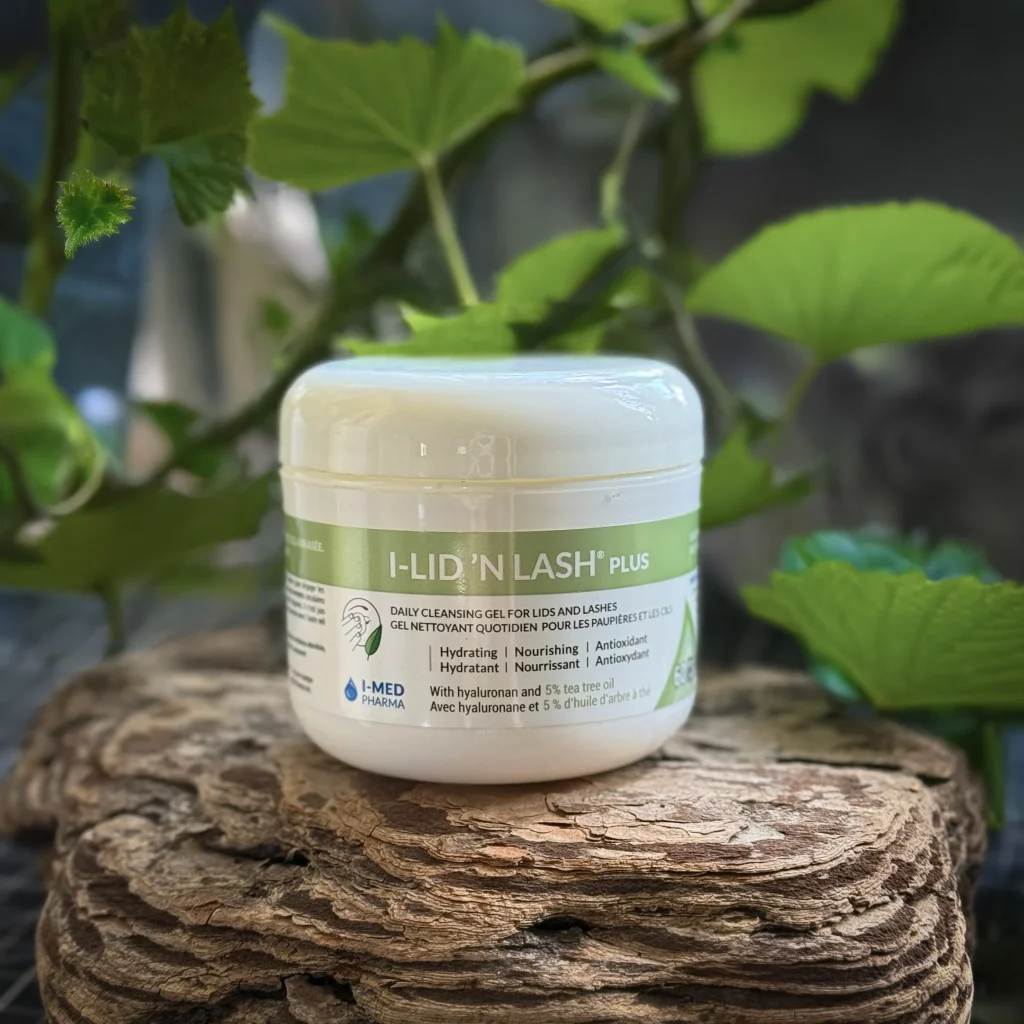
By following these simple habits, you can lower your chances of another pink eye episode and keep your eyes healthy and clear.
All of our recommendations are selected independently and are not influenced by commissions.
Determine if You Have Pink Eye vs Dry Eye
Sometimes what you think is pink eye might just be dry eyes, and vice versa. Understanding the distinction is important. There are some overlapping symptoms like burning or gritty sensation in the eyes, and red eyes (however, usually less redness with dry eyes). Differentiating between the two can help you decide whether to reach for pink eye remedies or dry eye treatments.
Pink Eye Symptoms
- Watery eyes
- Swollen eyelids
- Discharge: white, yellow, or green
- Crust builds up on your eyelashes (which may prevent your eyes from easily opening in the morning)
- Swollen lymph nodes
Dry Eye Symptoms
- Episodes of blurred vision
- Excessive tearing
- Dryness around the eyes
Think You Have Dry Eye?
At Home Products for Dry EyePink Eye vs Allergies
Not all red, watery eyes are an infection. In spring and fall, we see a lot of allergic conjunctivitis in Vancouver and Burnaby, and it can look like pink eye at first glance. The giveaway is usually the itch.
Signs it is more likely to be allergies, not viral or bacterial pink eye
- Intense itching (itch is the main symptom)
- Both eyes are often involved
- Watery tearing, not thick yellow or green discharge
- You also have sneezing, a runny nose, or seasonal triggers
- Symptoms come and go depending on the environment (pets, dust, pollen)
- No fever, no feeling sick, no “cold” symptoms
Allergic conjunctivitis is annoying, but it is not contagious. You are not going to spread it around the office the way you would with viral pink eye.
What to do at home for faster relief
- Cold compress for 5 to 10 minutes, a few times a day
- Preservative-free artificial tears to rinse allergens off the eye surface
- Avoid rubbing, as it releases more histamine and makes swelling worse
- Pause contact lenses until symptoms settle; lenses can trap allergens and make the itch worse
Which drops usually help
For mild symptoms, lubricating drops can be enough. If the itch keeps coming back, an antihistamine or mast cell stabilizer eye drop is often the better fit. Many people do best with a “use daily during allergy season” approach rather than waiting until the symptoms are already raging.
If you already take an oral allergy medication, that can help too, but some can worsen dryness. If your eyes feel drier when you start an allergy pill, that is not in your head.
When allergies are not the full story
If you have light sensitivity, significant pain, blurred vision, or you wear contact lenses and the eye is painful, do not assume it is allergies. Book an assessment, because those signs point to problems beyond simple allergic conjunctivitis.

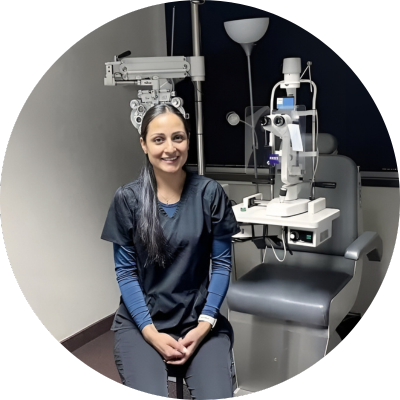
Reviewed by Dr. Amit Sahota, Registered Optometrist (BSc, OD)
FAQ: Pink Eye Treatment & Recovery
How long is pink eye contagious after symptoms start?
Pink eye is usually contagious while you still have active tearing or discharge. With bacterial conjunctivitis, spread is often lower after about 24 hours of antibiotic drop use, but hygiene still matters.
Can I go to work or school if I have pink eye?
If you are actively wiping discharge or you cannot stop touching your eyes, stay home. If it is allergic conjunctivitis, it is not contagious, but it can look the same at first.
How to get rid of pink eye fast, what can I do today?
Start with the basics: stop contact lenses, start cold compress, and preservative-free artificial tears for comfort. Most “fast” improvement comes from reducing irritation and not spreading it to the other eye.
Can pink eye affect one eye and then spread to the other?
Yes. Pink eye often starts in one eye and can spread to the other through hand contact or shared towels. Practicing good hygiene can reduce this risk.
Is it safe to drive if I have pink eye?
If vision is blurred, eyes are light sensitive, or uncomfortable, driving may not be safe. Clear vision and comfort should return before resuming driving.
Can pink eye come back after it seems to improve?
Yes. Re-infection can occur if hygiene steps are not followed or if contaminated makeup, contact lenses, or pillow cases are reused.
Pink eye artificial tears, what kind should I use?
Choose preservative-free artificial tears. They soothe, rinse irritants, and are less likely to sting when the surface is inflamed.
When should pink eye symptoms be re-checked by an optometrist?
If symptoms worsen, fail to improve after a few days, or include pain or vision changes, a follow up exam is recommended to ensure proper treatment and recovery.
Can farting on a pillow give you pink eye?
This is the classic trope, but in real life it is not how most people get pink eye. Conjunctivitis usually spreads from viruses or bacteria on hands, towels, makeup, contact lens cases, or from someone else’s eye and respiratory secretions. For a “pillow fart” to cause pink eye, you would need a pretty specific chain of events involving germs getting to your eye, and that is not the usual story.
I have pink eye, did I get fecal matter in my eye?
Usually, no. Most cases happen after touching your eyes with unwashed hands. If you wear contacts or your vision is blurry, get checked.
How long does pink eye last, and how long am I contagious?
Viral pink eye often lasts 7 to 14 days and is contagious while symptoms are active. Allergic conjunctivitis is not contagious.
Can I get pink eye from eyelash extensions or getting my lashes done?
Yes, it can happen. Lash appointments can trigger irritation, allergic reactions to glue, or an infection if hygiene is off. If you get redness, discharge, pain, or swelling after a lash fill, pause lashes and get assessed before re-booking.
Pink eye vs dry eye: How can I tell the difference?
Pink eye usually has more obvious redness plus discharge or a contagious exposure. Dry eye is more burning or gritty, worse with screens and forced indoor air, and tends to fluctuate.
How to get rid of pink eye fast at home
Stop contact lenses, use a cold compress, and use preservative-free artificial tears. The goal stops the spread plus increases ocular comfort.
Which pink eye remedies work best for itching and swelling
Cold compresses, preservative free artificial tears, and avoiding eye rubbing are the top pink eye remedies. Redness-relieving drops often make things worse.
Real Eyes Optometry
Dry eye is one of those things that looks simple until it is not. If you have been cycling through random drops with no real plan, we can help you make it less of a guessing game. At Real Eyes Optometry in Burnaby (Metrotown), we look at the surface of the eye, the tear film, and the eyelids. Then we match the plan to your day. Screens, contacts, allergies, medications, sleep, commute, all of it counts. You will leave with clearer next steps.

Dr. Sahota has a special interest in dry eye care and is advanced in clinic treatments, including radio frequency technology. She is known for providing thorough, personalized dry eye consultations in multiple languages.

Dr. Pati enjoys caring for patients of all ages, with a particular passion for family eye care and pediatric eye health, helping kids build strong visual habits early in life.

Dr. Wang is highly experienced in contact lens fitting, with a special focus on specialty lenses, and has helped many patients who thought they could never wear contacts comfortably.
Disclaimer: This information is for educational purposes and does not replace professional medical advice