Most dry eye isn’t just about not having enough tears. In many cases, it comes down to a missing layer of oil.
Dry eye is not one single condition. It’s a group of problems affecting the tear film. One of the most common types is evaporative dry eye, where tears evaporate too quickly because the oil layer is not doing its job. This is often caused by Meibomian Gland Dysfunction (MGD). The tiny oil glands along your eyelids can become blocked, sluggish, or produce poor-quality oil. Without that healthy oil layer, your tears evaporate faster, leading to irritation, watering, blurred vision, and eye fatigue.
At Real Eyes Optometry, we look beyond symptoms. A full dry eye assessment evaluates tear quality, oil gland function, and eyelid health, including conditions like blepharitis. Your treatment plan is based on what your eyes actually need. The goal is simple: identify the real cause of your dry eye and treat it properly from the start.
Meibomian Gland Dysfunction Treatment At a Glance
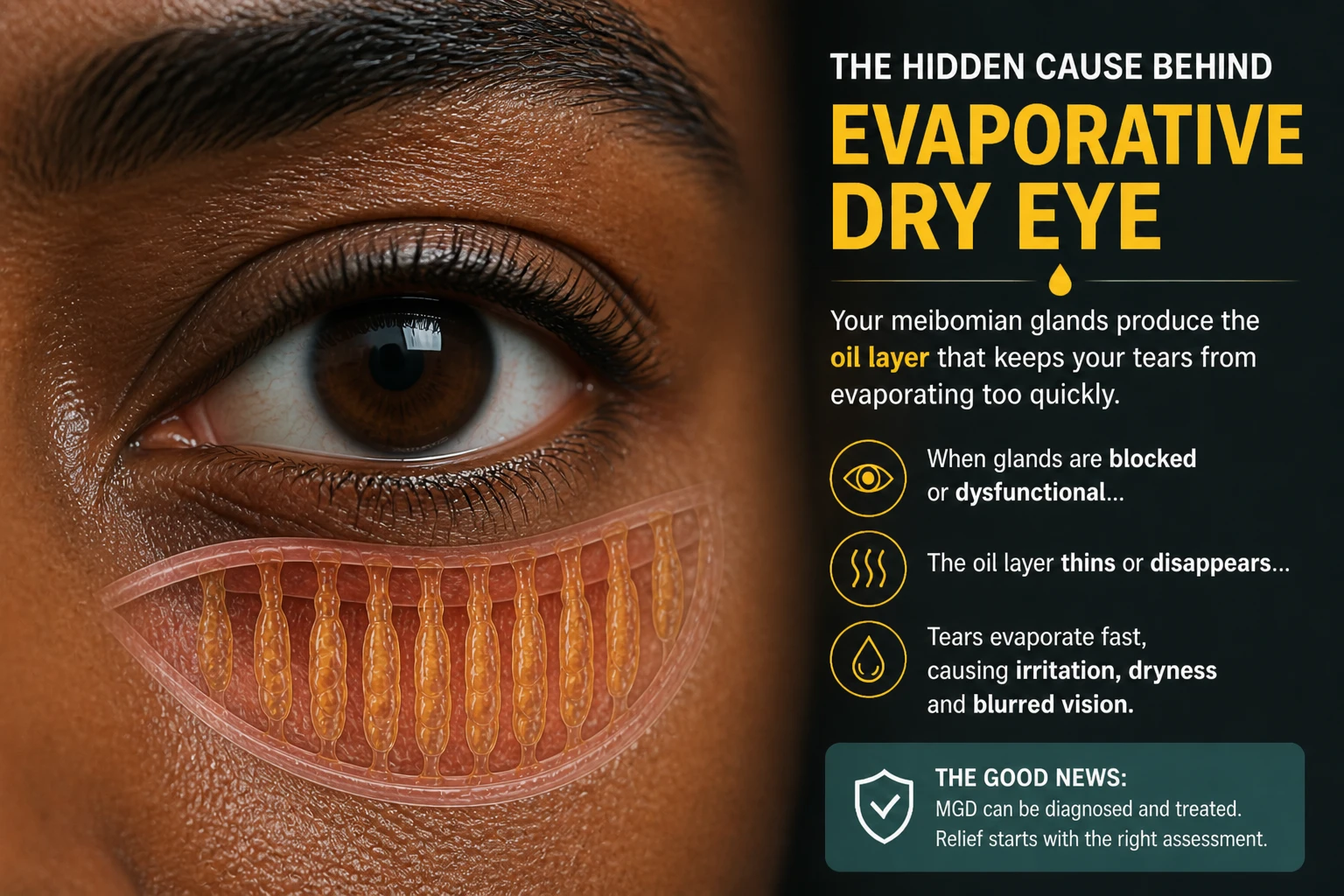
The key shift: stop chasing tears, start treating the oil.
What MGD Is
MGD happens when the oil glands in your eyelids don’t produce enough oil or the oil becomes thick and blocked. This oil layer is critical to keep tears from evaporating too fast.
Why It Matters
Without stable oil, your tears break down quickly, leading to burning, watering, blurred vision, and eye fatigue. MGD is one of the main drivers of evaporative dry eye, not just “lack of tears.”
Best Treatments
- At-home care: Warm compresses, lid hygiene, artificial tears, omega-3 support. Good first step for mild cases.
- IPL (Intense Pulsed Light): Reduces inflammation and improves oil gland function, often used for moderate MGD.
Radio frequency (RF) treatment is an in-clinic option used when meibomian glands are blocked or not functioning well. It uses controlled heat to gently warm the eyelids, helping to melt thickened oil and improve gland flow.
What is Meibomian Gland Dysfunction?
Meibomian Gland Dysfunction (MGD) is when the oil glands in your eyelids stop producing enough oil or the oil becomes thick and blocked. Without this oil layer, tears evaporate too quickly, leading to dry, irritated eyes.
Meibomian Gland Dysfunction Symptoms
- Burning, stinging, or gritty feeling
- Watery eyes (yes, this still counts)
- Redness or swollen eyelids
- Blurry or fluctuating vision
- Itching or irritation
Causes and Triggers of Meibomian Gland Dysfunction
- Long screen time or reduced blinking
- Dry environments or air conditioning
- Contact lens wear
- Aging or hormonal changes
- Poor eyelid hygiene
If this sounds familiar, it’s likely not just “dry eyes.” It may be MGD, and treating the oil glands directly can make a real difference.
How We Diagnose MGD at Real Eyes Optometry in Burnaby
Your consultation goes beyond a basic eye exam. We assess:
- Tear film quality and stability
- Meibomian gland function
- Imaging of gland structure and health
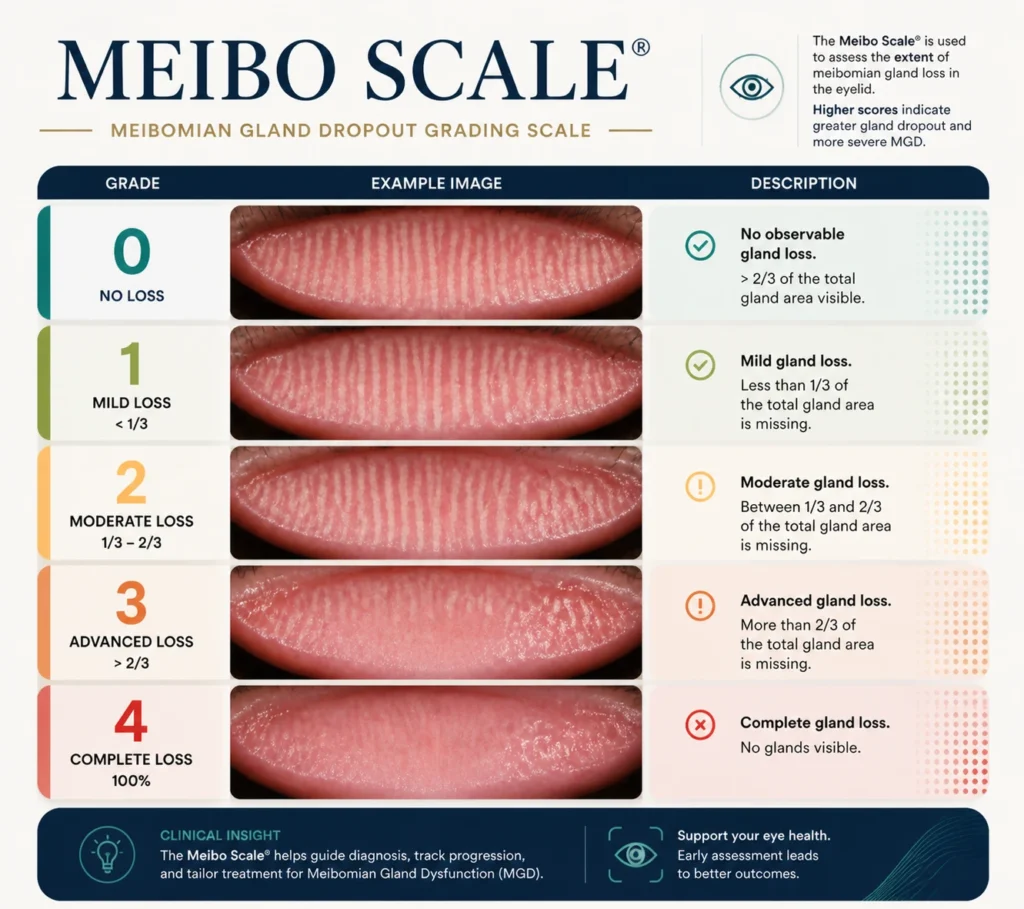
Dry eye symptoms can begin as early as grade 1 on the meibo scale. Mild gland loss starts affecting tear stability, even if it feels occasional. It typically becomes moderate to severe by grades 2 to 3, where significant gland loss leads to persistent irritation, fluctuating vision, and the need for ongoing treatment.
After getting a clear diagnosis, we can help you with a tailored plan for your eyes.
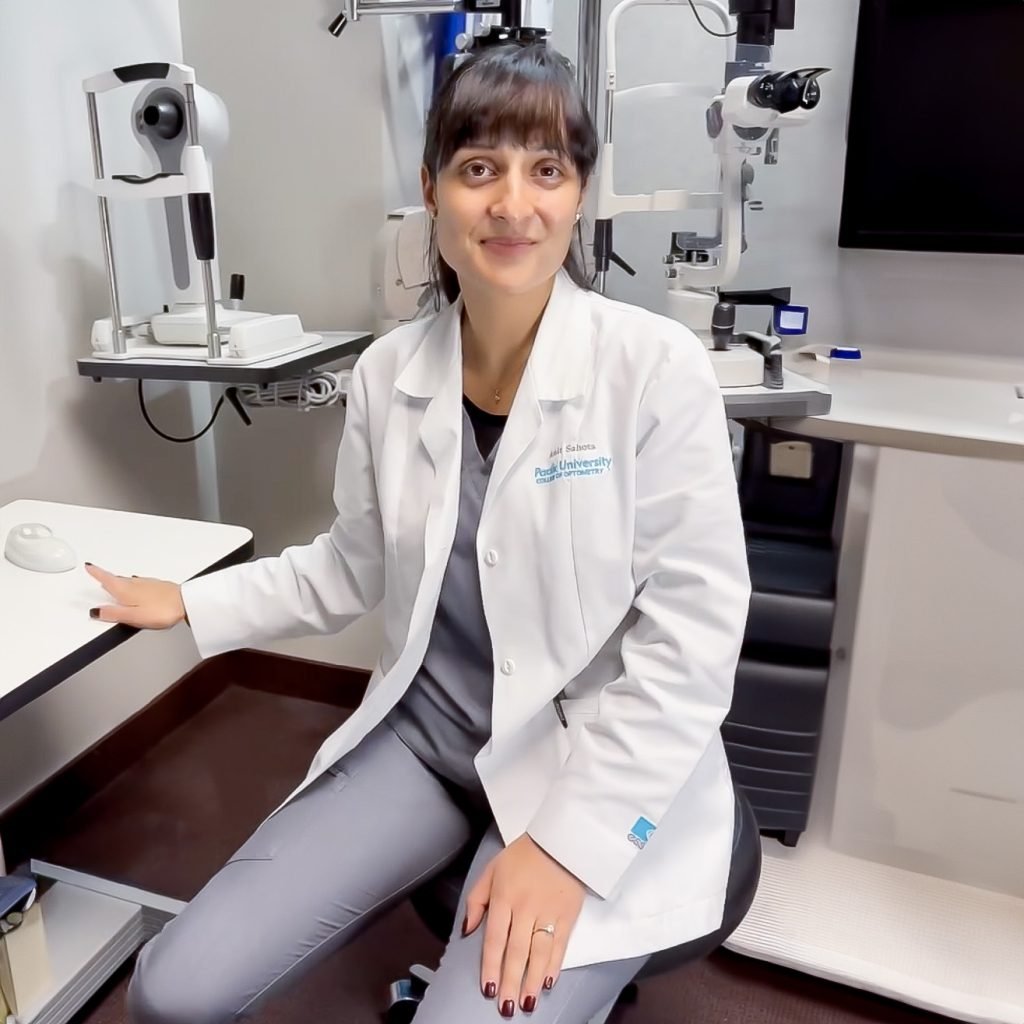
Medically Reviewed by Dr. Amit Sahota, Registered Optometrist (BSc, OD)
July 2, 2026
Get a Dry Eye Consultation
If dry, irritated eyes are starting to affect your day, it’s time to look deeper than just eye drops. A proper assessment identifies the root cause, often linked to meibomian gland dysfunction, not just tear deficiency.
When to Seek Treatment
- Symptoms last more than a few weeks
- Eye drops only give short-term relief
- Vision becomes inconsistent or tiring
- You rely on drops daily just to stay comfortable
These are signs your tear film is unstable and needs more than temporary support.
What to Expect at Your Dry Eye Consultation
Please arrive a little early so you have time to complete any paperwork before your appointment. During your visit, Dr. Amit Sahota will go through a dry eye assessment to better understand your symptoms, tear quality, and meibomian gland function.
From there, your appointment can be as detailed or as simple as you prefer. Some patients like to understand exactly what is happening with their eyes, while others just want a clear next step. Either way, the goal is to help you build a dry eye treatment plan that fits your symptoms, comfort level, and daily needs.
Your Treatment Plan
We start simple, then scale based on what your eyes actually need:
At-home care: Warm compresses, lid hygiene, omega 3 supplements, preservative-free artificial tears
Medical support: Prescription drops if inflammation is present
In-clinic treatment: RF or IPL to target blocked oil glands
Radio frequency (RF) treatments are often used when standard treatments are not enough and can directly improve gland function and symptoms. RF is a targeted, in-clinic solution that helps melt oil and restore blocked oil glands, addressing the root cause of dry eye, not just the symptoms.
What Causes Meibomian Gland Dysfunction?
Clinical insight: MGD develops when the meibomian glands become obstructed or produce poor-quality oil, leading to instability of the tear film and increased evaporation.
Common contributing factors include:
- Blocked oil glands
Thickened or stagnant oil can clog glands over time. - Aging and hormonal changes
Oil production naturally declines, especially with hormonal shifts. - Screen time and low blink rate
Less blinking means less oil is released onto the surface of the eye. - Inflammation (blepharitis or ocular rosacea)
Chronic inflammation disrupts gland function. - Contact lens wear or environmental stress
Dry air, wind, and lenses can worsen gland dysfunction.
Over time, untreated MGD can lead to chronic dry eye and even structural gland loss, making early treatment important. – Dr. Amit Sahota
What happens if MGD is left untreated?
When meibomian gland dysfunction is not treated, it doesn’t just stay the same, it usually gets worse over time.
- Faster tear evaporation
Without a healthy oil layer, tears break down quickly, leading to chronic dryness and irritation. - Persistent symptoms
Burning, redness, watering, and that gritty feeling become more frequent and harder to manage. - Gland damage over time
Blocked glands can gradually stop working altogether, making the condition more difficult to treat later. - Progression to dry eye disease
MGD is a leading cause of evaporative dry eye, which can impact vision quality and daily comfort. - Risk to the eye surface
In more advanced cases, ongoing dryness can affect the cornea and overall eye health.
The earlier MGD is treated, the better chance you have of preserving gland function and avoiding long-term dry eye complications. Book a dry eye consultation to check your oil gland function before symptoms become harder to manage.
Book a MGD ConsultationWhat Is Meibomian Gland Expression?
Meibomian gland expression is a simple in-office treatment used to clear blocked oil glands along your eyelids. When these glands become clogged, the oil inside thickens and stops flowing, which leads to faster tear evaporation and ongoing dry eye symptoms.
During the procedure, your optometrist applies gentle, controlled pressure along the eyelid margins to release the trapped oil from each gland. This helps restore normal oil flow and improves the quality of your tear film. Expression is often done after warming the eyelids, since heat softens hardened oil and makes it easier to remove. In some cases, numbing drops may be used to keep you comfortable during the treatment. This is one of the most direct ways to treat the root cause of evaporative dry eye, not just the symptoms. By clearing the glands, your tears can stay on the eye longer, reducing irritation, watering, and blurry vision.
Why Choose Real Eyes Optometry
Meibomian Gland Dysfunction solutions aren’t a one-size-fits-all, and your treatment shouldn’t be either. At Real Eyes Optometry, every plan is built around the root cause of your symptoms, not just temporary relief.
- Led by Dr. Amit Sahota
Dr.Sahota brings a strong clinical focus on diagnosing and treating dry eye at its source. Her approach combines advanced technology with clear, patient-first care, so you understand what’s happening and why each step matters. - Personalized Meibomian Gland Dysfunction Plans
Your treatment is tailored based on your gland function, tear quality, and lifestyle. This matters because most Meibomian Gland Dysfunction cases require targeted care.
- Dr. Amit Sahota is trained in advanced dry eye diagnostics
- Focused on treating MGD at the source
- 30+ years combined clinic experience at Real Eyes Optometry
- Advanced, Evidence-Based Treatment
Radiofrequency is a non-invasive option that improves gland function and tear stability, helping reduce irritation and dryness over time. - Convenient Metrotown Location
Located in Burnaby’s Metrotown, making it easier to stay consistent with treatment, which is key for long-term results.
How Much Does Meibomian Gland Dysfunction Assessment Cost?
A focused Meibomian Gland Dysfunction (MGD) assessment is available for $41.00, and in many cases, it can be covered by your extended health insurance.
This type of assessment goes beyond a standard eye exam and is designed to identify the root cause of dry eye symptoms. It typically includes:
- Tear film quality and stability testing
- Meibomian gland imaging (meibography)
- Evaluation of oil gland function
These tests help pinpoint whether your symptoms are caused by blocked or underperforming oil glands, so your treatment plan is based on what your eyes actually need, not guesswork.
Compared to broader dry eye evaluations, this targeted assessment offers a more accessible starting point while still giving clinically useful insights into your gland health.
Real Eyes Optometry
Real Eyes Optometry is centrally located in Metrotown Mall. Our convenient location includes free, accessible parking and the ability for parents to complete errands without driving all over the city.
Consider being able to run to a grocery store, make a clothing return, and grab a quick bite, all while your child is having an eye exam. Of course, accompanying your kid during their eye exam is always a good idea. For details on how to find us, click here.

Dr. Sahota has a special interest in dry eye care and advanced in-clinic treatments, including radio frequency technology, and is known for providing thorough, personalized dry eye consultations in multiple languages.

Dr. Pati enjoys caring for patients of all ages, with a particular passion for family eye care and pediatric eye health, helping kids build strong visual habits early in life.

Dr. Wang is highly experienced in contact lens fitting, with a special focus on specialty lenses, and has helped many patients who thought they could never wear contacts comfortably.
Disclaimer: This information is for educational purposes and does not replace professional medical advice
FAQ – Meibomian Gland Dysfunction (MGD)
Is meibomian gland dysfunction permanent, or can it improve?
MGD can improve with the right treatment, especially when it is caught early. If the glands have already atrophied or stopped functioning, treatment focuses more on preserving what is left and reducing symptoms.
Can blocked oil glands be reversed, or just managed?
Blocked glands can often be reopened or improved, but long-term management is usually needed to keep the oil flowing properly.
How quickly does Meibomian Gland Dysfunction get worse if left untreated?
It varies, but untreated MGD can become more persistent over time as the glands stay blocked, inflamed, or inactive.
Why do my eyes water if I have dry eye?
Watery eyes can happen when your tear film is unstable. Your eyes may overproduce watery tears, but without enough oil, those tears evaporate too quickly.
Is Meibomian Gland Dysfunction the same as dry eye disease?
Not exactly. MGD is one of the most common causes of evaporative dry eye, but dry eye can also come from low tear production or inflammation.
What’s the difference between a dry eye exam and a Meibomian Gland Dysfunction assessment?
A dry eye exam is a full evaluation of your tear system and eye surface, while a Meibomian Gland Dysfunction (MGD) assessment is just one part of that exam focused on your eyelid oil glands.
Dry Eye Exam: looks at the bigger picture. Your optometrist will assess tear production, tear film stability, eye surface health, and underlying causes like inflammation or gland issues.
MGD Assessment: zooms in on the meibomian glands in your eyelids. These glands produce the oil layer that keeps tears from evaporating too quickly. If the oil quality or flow is poor, it can lead to evaporative dry eye.
In simple terms:
Dry eye exam = full investigation
MGD assessment = targeted check of oil gland function
Why aren’t my eye drops working anymore?
Eye drops add moisture, but they may not fix the oil problem. If your dry eye is caused by blocked meibomian glands, the tear film can still evaporate too quickly.
At what stage does Meibomian Gland Dysfunction become more concerning?
MGD becomes more concerning when symptoms are daily, vision fluctuates, glands show loss or dropout, or drops only give short-term relief.